Categories
Central India Historical Rejoice Travel Trends

An Insight to Ghughua Fossil Park

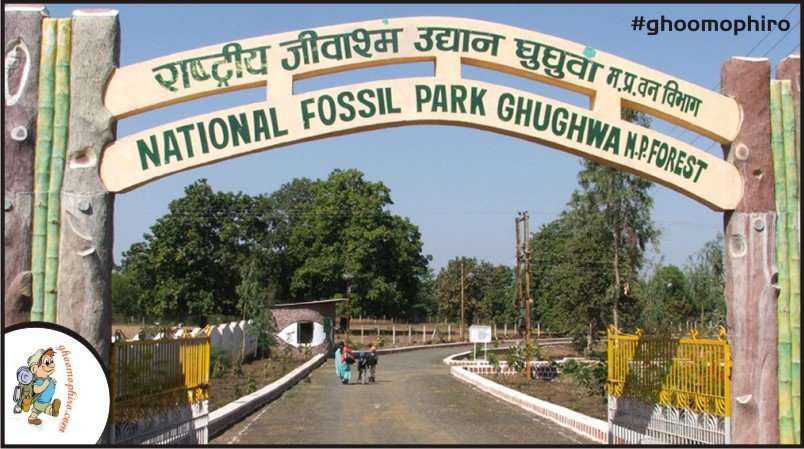
Ghughua Fossil Park, a National Park, is situated near Shahpura in Madhya Pradesh. The site was founded in the 1970s by Dr. Dharmendra Prasad, the then honorary secretary of the district’s archaeology unit and was announced a National Park in 1983 after the Indian Government identified the greatness of this natural wonder.  It is spread in an area of about 2,74,100 sq. metres across the villages of Umaria, Chargaon, Barb Spur, Deorakhurd, Ghuguwa and Deori Kohani. Ghughua Fossil National Park is the second largest Fossil Park in the world and the largest in Asia.

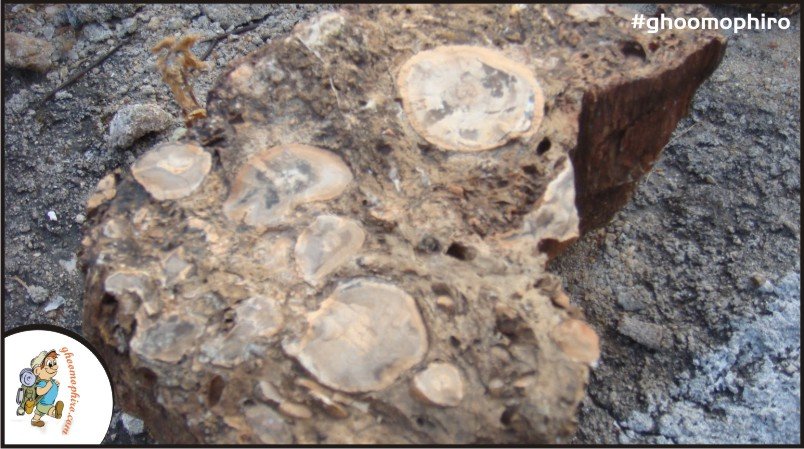
Here, plant fossils which are a part of 31 genera of 18 families have been recognized.   A number of plant, seed, fruit, leaf and shell fossils can be spotted in this park, some of which are 65 million years old. Palm fossils are the most prominent amongst them. Other fossilised plants include ancient forms of jackfruit, date palm, aonla, jamun, neem, banana and rudraksh. Although most of the plant and animal fossils do not have living relatives now, some of  them here have relatives existing which continue to live in Sikkim, the Western Ghats,  north- east India, Australia, Madagascar and Africa. Fossils of Eucalyptus trees have been found here which are native to Australia.
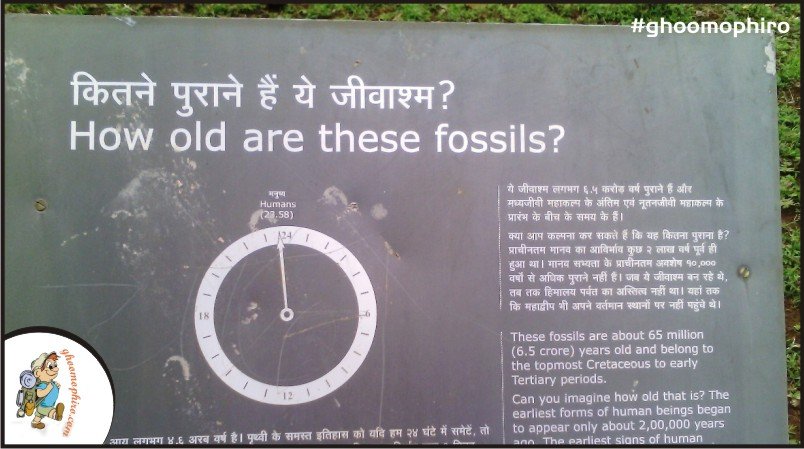
There is an interpretation centre in the park which has comprehensive information on the fossils which are found here. Also, you should visit the self-guided fossil trail to see them in their natural setting although the dinosaur egg is the main attraction.
Hundreds of tourists mainly scientists, paleo-botany students and archaeologists visit this place every year. According to scientists and archaeologists, Ghughua in ancient times had an equatorial and humid climate with a uniform temperature range throughout the year with an annual rainfall of above 2,000 mm.
How to reach:

  • ROAD: Ghughua Fossil Park is located on National Highway 11, 76 km from Jabalpur. The nearest Bus stand is at Niwar and the closest town from it is Shahpura (13km). It is located on a slight diversion between the route connecting Bandhavgarh and Kanha National Parks.
  • AIR: The nearest airport is at a distance of 115 km in Jabalpur which has good connectivity with the cities of Delhi, Mumbai, Indore and Bhopal.
  • RAIL:  Umaria (65 km) and Jabalpur (115km) are the nearest railway stations to the National Park.  It is well connected by rail to the major tourist destinations and cities like Delhi, Howrah, Mumbai, Bengaluru, Ahmedabad, Pune, Varanasi, Indore, Agra, Jaipur, Gwalior, etc.

Most suitable time to visit:

The months between October and February are the best ones to visit the Ghughua Fossil Park.

Accommodation:

Tourists usually do not stay here as they conclude the visit to this park within 45 minutes. Still, the forest department has made arrangement for a stay which is a paid service and a limited number of rooms are there. Alternatively, you can visit this park while staying at hotels in Jabalpur, Shahpura, Mandla, Umaria  Bandhavgarh, etc.

Timings:

The National Park is open throughout the year from 8 in the morning to 5 in the evening.
Categories
Central India Travel Tips Travel Trends

Explore the Unexplored Delhi with Team Ghoomophiro

When talking of Delhi’s historical monuments, in the first instance, India Gate, Jama Masjid, Jantar Mantar, Humayun’s tomb, Red fort and Qutab Minar are probably the names that strike every Indian’s mind. Because of their antiquity and marvelous architecture, they have been attracting tourists from all over the world who visit the capital city. Seldom do people realize that there is more to Delhi than this; there are more historical places of the visit than these conventional ones. Unnoticed by the common public yet beautiful and serene, it is apt to call such esoteric monuments- ‘The hidden treasures of Delhi’. Some of them are as follows.

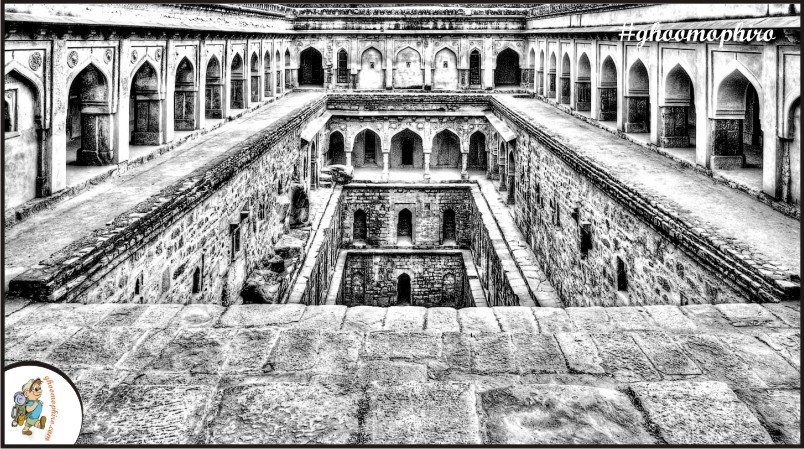
Rajon ki Baoli: A grand stepwell located in the Mehrauli Archaeological Park, Rajon ki Baoli is a perfect escape from the hustle- bustle of the city. Its prettiness and impressive isolation make one feel closer to the era it was built in.

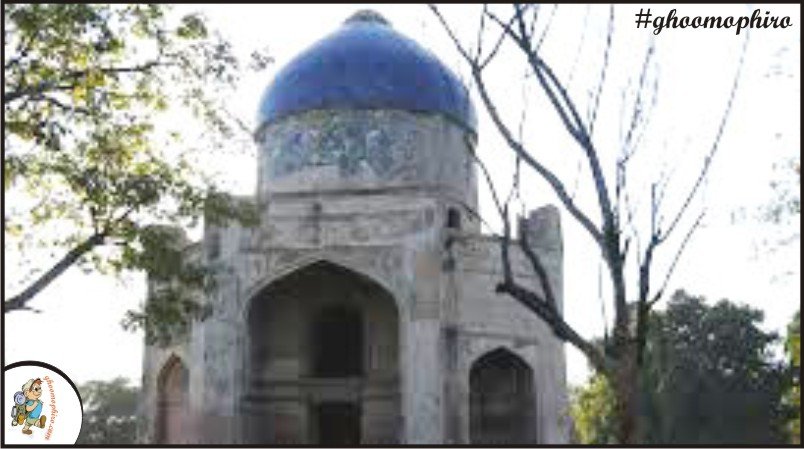
Sabz Burj: Built at the intersection of the Lodi and Mathura roads, near Humayun’s Tomb, the mysterious Sabz Burj is a blue-domed tomb despite its literal meaning, green tower (apparently due to a restoration blunder). The purpose for which it was built is still unknown but an interesting fact is that it was used as a Police Station during the British rule. Entry is prohibited but one can take a proper glance at it from outside the fences circumscribing it.

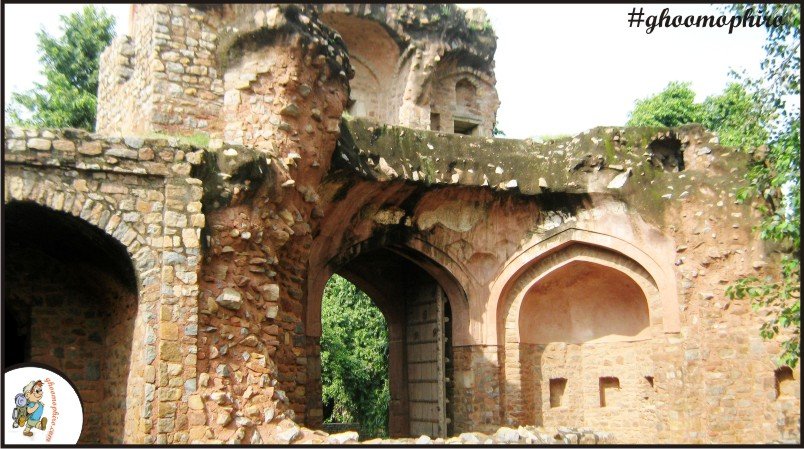
Arab Sarai: It was built by Humayun’s widow, Haji Begum to accommodate 300 Arab priests whom she brought back from her pilgrimage to Mecca. It is a big rest house. Only its Northern wall is in a decent condition while all the cells are in a dilapidated state now.

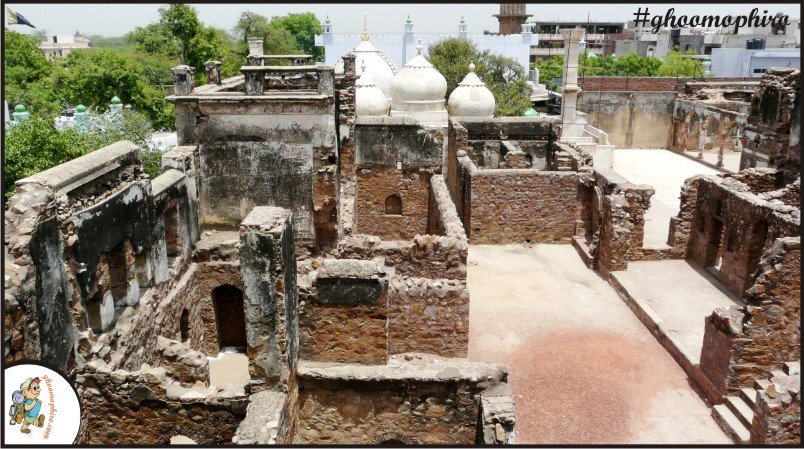
Zeenat-ul-Masjid:This mosque is located to the south of the Red fort and was built by Aurangzeb’s daughter, Zeenat ul Nissa. It looks like a miniature form of Jama Masjid. Zeenat-ul-Masjid literally means ‘Ornament of Mosques’ and the monument truly lives up to its name.

Zafar Mahal:This is the last monument built in the Mughal period by Akbar Shah II. Bahadur Shah Zafar II wanted to be buried there but unfortunately died in exile in Rangoon. The Archaeological Survey of India (ASI) has suggested  setting up a Mughal Museum in the palace to encourage visitors and remove the current encroachments that have taken place.

Atgah Khan’s Tomb:

Atgah Khan was Akbar’s foster father and was murdered by Akbar’s foster brother, Adham Khan. Located in the heart of Central Delhi’s Hazrat Nizamuddin Basti, the tomb is obscured by brick shacks. It is one of the most splendid creations of the Mughal period. One comes across this structure while visiting the Daragh of Hazrat Nizamuddin but unfortunately does not know what it is.

Apart from the six aforementioned historical monuments in Delhi, there are other ones also, plenty in number, which crave attention today. It is upsetting to see the heritage of our rich past being ignored carelessly. Begumpur mosque, Bijai mandal, Dareeba khurd, Qila Rai Pithora, Tomb and Mosque of Isa Khan, Adam khan’s tomb and the list goes on and on…

Categories
Central India Rejoice Tribal

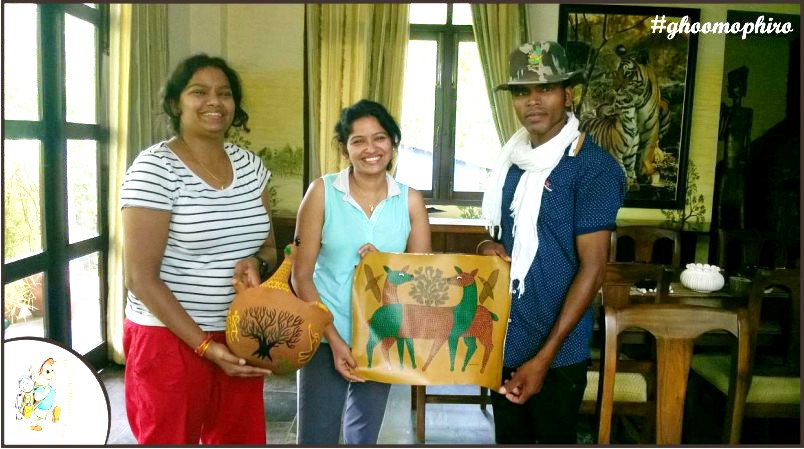
Gond Paintings and Its Intracacies

India is a land of rich culture and heritage. Several art forms are still lesser known to the outer world. Gond art is such art form, which is fondly practiced by Gond tribes from Madhya Pradesh.

Primarily, the word Gond originates from the Dravidian expression kond meaning ‘the green mountain’. This art form primarily depicts the colors of nature along with the everyday quest for life. Through Gond paintings, the Gonds primarily depicts the celebrations, human relationship etc. They are usually inspired from the belief that happy images bring good luck to their family and hence they paint their walls with vivid colorful images that relates to stories. The artists use series of dots, dashes and lines arranged meticulously to depict the story. They are very careful while adding those lines and dashes and convey the sense if movement to these paintings.

What is more beautiful with this story telling art is the vividity of colors. Gonds use bright colors like white, blues, red, yellow etc. and all of them are derived naturally from plants, soil, charcoal and even cow dung. Though government is helping out these artists by recognizing them on global level and helping this art to reach to their fans.

Thank you Singinawa Lodge for giving me opportunity to explore this vibrant art.

Categories
Central India Travel Trends wildlife

Things can be done while at Kanha National Reserve

Madhya Pradesh is the king of jungles, and when it comes to tiger spotting, Kanha is most popular amogst wild-life photographers. However, it is not tigers that this reserve is famous for, there are other activities, in which one can indulge themselves for an overall wilderness experience. The post pens down the things that can be done while at Kanha National Reserve.

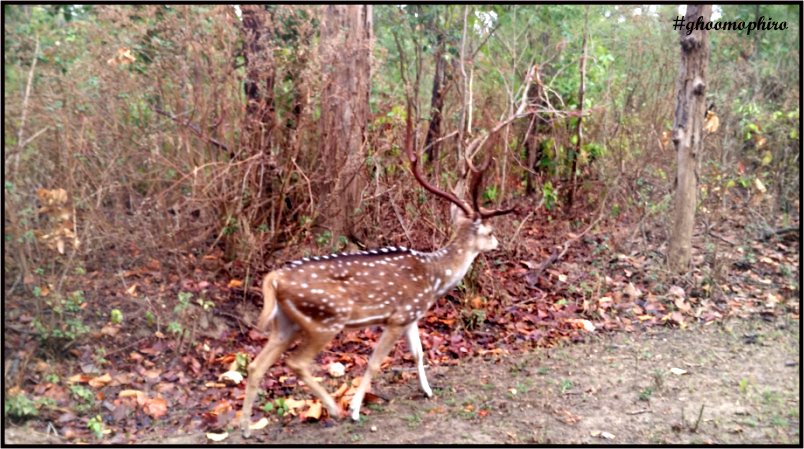
Safari at Kanha National Park: The dense Sal forests at Kanha preserves the whole different world for city buzzlers like us. This world is the abode of wildlife in its purest form. During the safari to any of four zones at Kanha you can feel the peaceful co-existence of wildlife and nature. As you pass through these roads, those bed time jungle stories seems to be real to you. Jackal, Tigers, Spotted dears can be seen roaming and chatting.

Cycling in the Buffer zone: There is a well- marked 7 Km trail that start from Khatiya Gate and goes till edge of the park. It is apparently the buffer zone, where-in you may encounter tigers sometimes, but overall morning cycling keeps you fit and make you feel fresh.

Interaction with Baiga Tribes: One can go to the near-by villages in Mandla District. Most common tribe in the region is Baiga tribe, which are famous for their tattoo art. A quick interaction with them gives you insight about their culture, their traditions, and way of living. Not to miss they are always eager to offer you their signature home-made drink called Mahua.

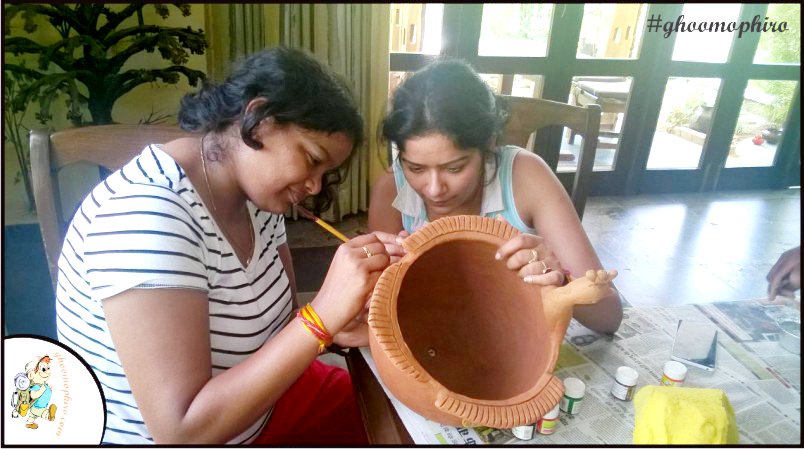
Learn Gond Painting: Gonds are one of the largest tribes that dwells in these lush green jungles. While you are roaming around at Kanha, spending time with Gonds and learning their famous paintings should also be a part of your itineraries. The vividity of colors being used to reflect the celebration of nature is indeed remarkable.

Birding: Kanha National Reserve offers one of the best avian beauty to its visitors. Reserve is the house of more than 300+ species due its tropical climate. torks, teals, pintails, herons and egrets, Jungle fowl, White Rumped Shama, White Bellied Drongo, Spangled Drongo. Racket Tailed Drongo, Twany Babbler, Jungle Babbler, Indian Scimitar Babbler, Grey Francolin, Painted Francolin, Black Naped Flycatcher,Common Iora, Eurasian Blackbird, Gold Mantled Chloropsis, Jerdon’s Leaf Bird, Golden Oriole, Black Hooded Oriole, Common Grey Hornbill, Malabar Pied Hornbill, Asian Brown Flycatcher are few to name though.

Don’t get disappointed, if you don’t spot tiger, because reserve has much more than just tiger or leopard sightings. Moreover, The entire journey to the Kanha Reserve is way too enticing and is fresh air in the hustle bustle life.

Categories
Adventure Central India Corporate Outings Travel Trends wildlife

UNESCO sites that you should visit in North India

In 2014, United Nations Educational, Scientific and Cultural Organization (UNESCO) recognised 32 places as World Heritage Sites in India. These are the places that are great importance of cultural or natural heritage as described in the UNESCO World Heritage Convention. Of these 32 sites, 25 are cultural sites and the other seven are natural sites.

Here is the list of UNESCO sites which can you should visit in North India

Qutab Minar & its monuments, New Delhi

One of the most popular & visited heritage site in India. It was build in 1311 by the muslim ruler . The Qutab complex includes Qutab Minar, Alai Darwaza, Alai Minar, Qubbat-ul-Islam Mosque, Tomb of Iltumish, and Iron Pillar. Its foundation was laid by Qutb-ud-din Aibak, but completed by other rulers.The Qutab Minar is the tallest brick minaret in the world, inspired by the Minaret of Jam in Afghanistan, The Qutab Minar is 72.5 metres (239 ft) high, has five distinct storeys, each marked by a projecting balcony carried on muqarnas corbel and tapers from a diameter 14.3 metres at the base to 2.7 metres at the top, which is 379 steps away.

Jantar Mantar, Jaipur

This observatory was built by Rajput king Sawai Jai Singh in 1734 CE.  It has a collection of nineteen architectural astronomical instruments. Apart from this it boasts of having the world’s largest stone sundial. The instruments helped in observing astronomical positions with the naked eye.Not only this, it is one of the best preserved observatories but also a great example of the scientific & cultural heritage of India, shared over the centuries.

Buddhist Monuments at Sanchi, Madhya Pradesh

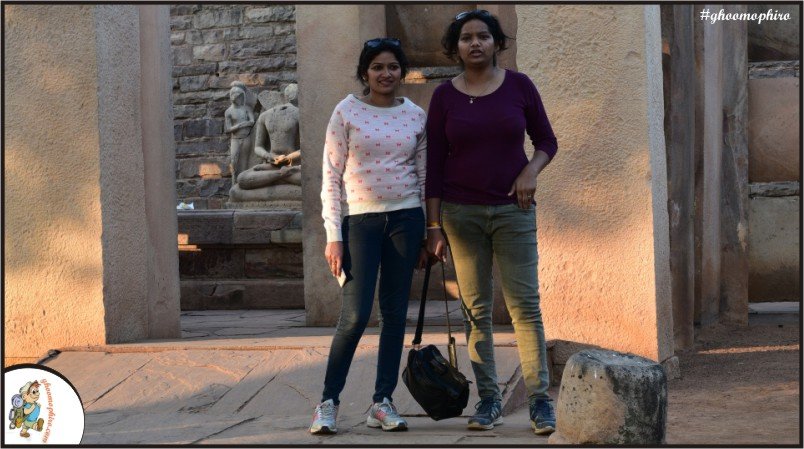
This is one of the hotspot for Buddhist tourist in India. Monuments at Sanchi are the oldest stone structure in India and was originally commissioned by Ashoka, the Great. Sanchi Stupa is the most important of all the monuments here. Stupas are large hemispherical domes, which has a central chamber, in which the relics of the Buddha were placed. The Sanchi Stupa is one of the best preserved early stupas in central India. This stupa is surrounded by a railing with four carved gateways facing all the four directions. This Buddhist vihara is located Sanchi Town in Raisen, 46 km north-east of Bhopal.

Kaziranga Wildlife Sanctuary, Assam

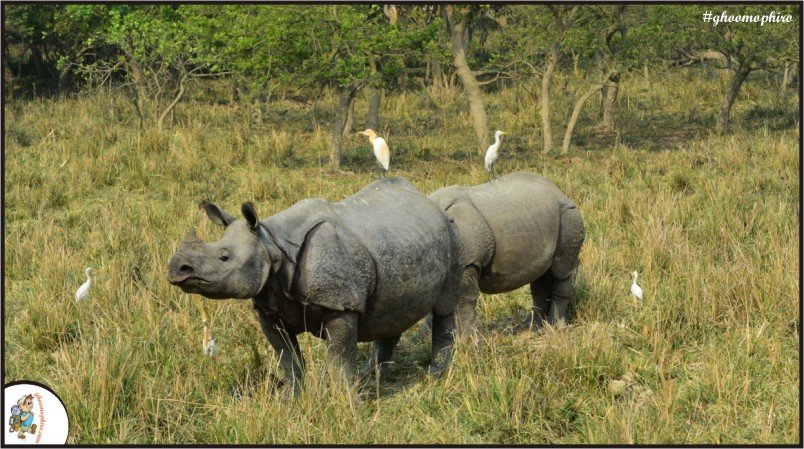
This  famous sanctuary is located in Assam and known for its one horned rhinoceroses. Apart from Rhinos, the park is a home for  many endangered species Tigers, Elephants,wild water buffalos, swamp deer & birds.

The project was started by Lord Curzon in 1905. The park is located in Nagaon district. Nearest airport is Guwahati, which is 271km away from the park.

Great Himalayan National Park, Himachal Pradesh

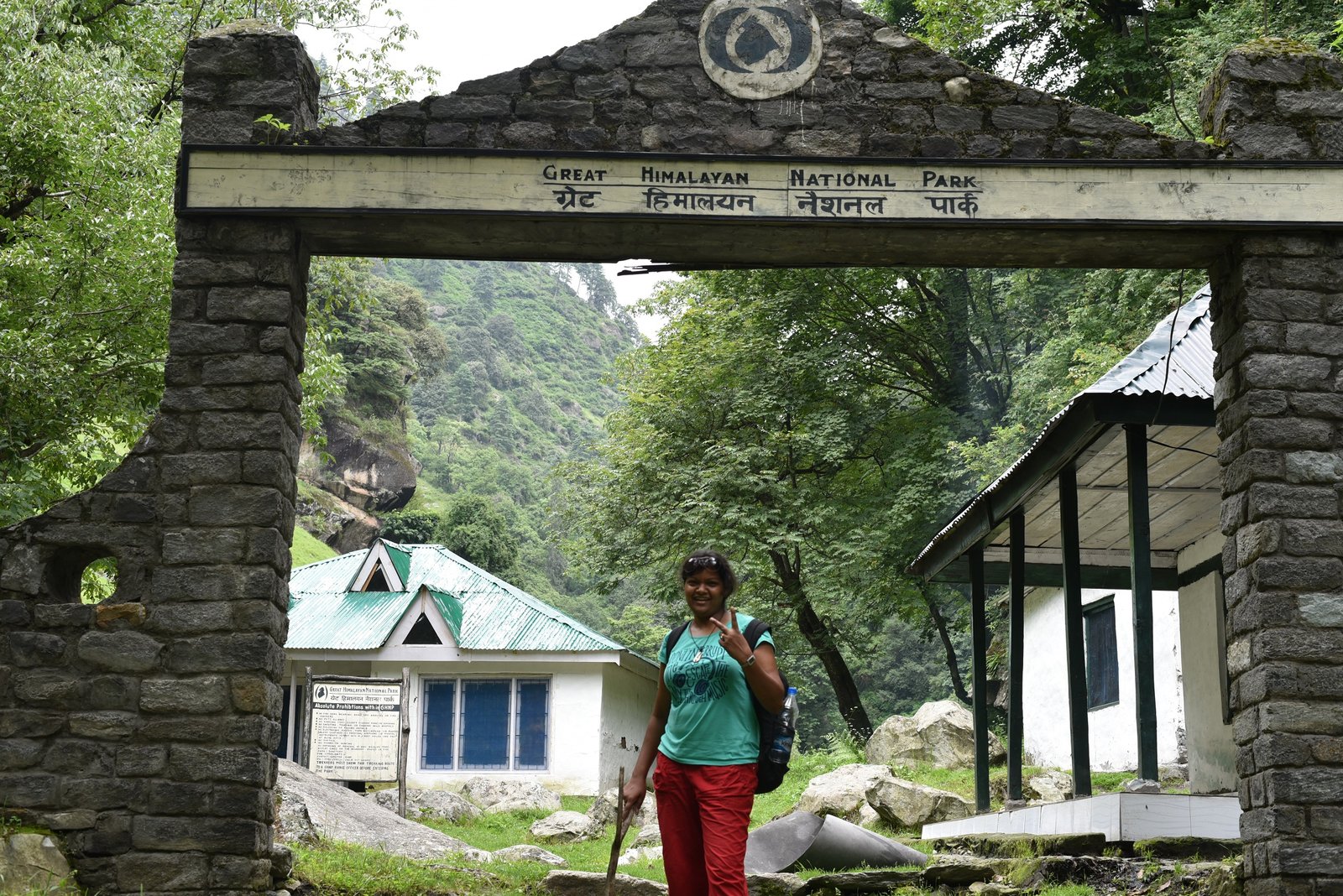
The park was established in 1984 & is located in Kullu region. It is part of the Himalaya biodiversity hotspot and is home to  25 different forest types along with a rich collection of fauna species, several of which are threatened. One can spot very rare species of plants and animals such as blue sheep, snow leopard, Himalayan brown bear, Himalayan Tahr, musk deer spruces, horse chesnuts and huge alpine meadows. The park is spread over an area of 1,171 km2 at an altitude of between 1500 to 6000 m. One can do trek and camp inside the park by taking prior permissions.

Humayun’s Tomb, New Delhi

This was the first garden tomb of India & was built by Begum Bega in the memory of his husband Humayun. This monument is considered as the precursor monument to the Taj Mahal, which was built a century later. Apart from the tomb of Humayun, it houses about 150 tombs of various members of the royal family.

The Red Fort Complex, New Delhi

Red Fort Complex, also known as Lal Qila is a palace fort built in the 17th century by Shahjahan, when he shifted his capital from Agra to Delhi. It is one of the ceremonial & political centre of Mughal government It got its name Red fort because of the red sandstone used to make the enclosing walls.The fort complex was planned according to iSlamic prototypes & reflect Persian traditions. Today , every year on15th Aug, the PM of India hoists the national flag and delivers the national speech. Light & sound show about the Fort history ,is also a major attraction

Nanda Devi and Valley of Flowers National Parks, Uttarakhand

It was established in 1982 , near the peak of Nanda Devi, in West Himalayas. The gentle landscape of the Valley of Flowers National Park complements the rugged mountain wilderness of Nanda Devi National Park &  Together, they form a unique zone between the mountain ranges of the Zanskar and Great Himalaya.Like GHNP, this park also give shelters to many rare and endangered animals, including the Asiatic black bear,snow leopard,musk deer,brown bear, red fox,blue sheep etc.

This summer vacation, get your kids on an educational tour to UNESCO sites, and let them cherish the rich heritage they belong to.

Categories
Central India Festival Rejuvenate Travel Trends Tribal Western Ghats

Gowli Tribe: Herders of Dandeli

The place is primarily known for water sports especially river rafting in river Kali. It is a paradise for birdwatchers that keep themselves in thick deciduous forests. However, very few people are aware that these forests are inhabited by the tribes, who have a little world of their own in these jungles. During one of my trips to Dandeli, I got the chance to spend time with these folks and learn about their cultures. This post is about my experience with Gowli Tribe, as they celebrate Vijayadashami, one of the famous festivals in India marking the triumph of good over evil.
Apparently, Gowlis is a pastoral community found in the states of Goa & Maharastra. Gowlis of Dandeli has their strong roots from lord Krishna community of Yadavas, whose major occupation is animal herding and selling milk in the surrounding areas. They are Hindus by religion and make sure, their religious ceremonies, traditions remain undiluted.

They celebrate Vijayadashami 2 days later the usual dates. Preparations start a week before and festivity takes place at the “Mukhiya’s” house, which also performs the festivity on the D-day and guides the people of tribes.  Cow Urine is considered to be sacred and all the goddesses etc are washed with the same. House is decorated with the paper cuttings created by the females and kids around.

Even though the Government is making an attempt to bring them out of the jungles and providing them basic education, so that they can be part of the crowd, but it seems they are happy being the Gowlis and have no regrets in life. They live each moment with passion and are absolutely non-complaining. These folks  are extremely nice  and hospitable to the guests


Categories
Adventure Central India Ghoomophiro Blog Rejuvenate Travel Trends wildlife

Highlands of Central India

Madhya Pradesh- Central India …When I took 7 days off, the first question that came to everyone’s mind was, why Madhya Pradesh? Shocked folks asked me” Actually you would like to go to MP”. But yes, me and my sister finally packed our bags, started our journey to ajab gajab state of India i.e MP. Our journey started with an overnight train journey from Delhi to Khajuraho. MP is a state of variety where one can enjoy flavors of art/culture/history/wildlife/scenic beauty. After spending 5 days there, we totally realized why the state is truly ajab & gajab, and why one should go there.

History and Architecture: Our first day was in Khajuraho, that depict an eternal celebration of love in the form of stone carved temples. The Western Group of temples, in particular, contains some stunning sculptures. One of the Unesco world heritage sites. They are predominantly Hindu temples and most of them face the sunriseYou would need at least 2 complete days to go through these temples. Moving to Mandu, which is popular as Monsoon Magic! These are beautiful Jain sculptures,that talk about the glorious past of MP. Forts at Gwalior

Nature at its best: MP gives you the chance to go through the dense Satpura forests in reality about which each one of us had been reading since childhood. A drive through these forests is beautiful. Pachmarhi, also known as “queen of Satpura” is beautiful hill station located in the adds the beauty to MP. It is blessed with rich flora & fauna and breathtaking waterfalls like befall, Duchess fall, Apsara falls. The famous Liril advert has been shot here.

Boat ride at Bhedaghat, view at Dhuandhar falls adds beauty to the state.

National Parks and Wildlife : Madhya Pradesh is The Tiger-land of India.It boasts of 4 major National parks and hence destination for folks interested in the documentary on wildlife. Though we happen to go Bandhavgarh only, but Kanha is also a good place to spot tigers. All these forests are bustling with deer, antelopes, tigers. Not only the tigers, Chambal River has gharials and Gangetic dolphins sight of which is unbelievable.

Pilgrimage:  State also attract a lot of pilgrim enthusiasts, as it boasts of having world’s finest Jain temples in Ujjain and Chitrkoot holds the importance from Ramayana as the place where Ram & Sita stayed during their exile (vanwas).

Not to miss, MP also provides ample opportunities for shopaholics like me. Chanderi and Maheshwari famous and colorful silks and every girl would love them. I am sure, the place is indeed photographer’s delight. So when are you packing your bags for Madhya Pradesh!!!

Categories
Central India Ghoomophiro Blog Hotel Reviews National Parks Relax Staycation

Getting Lost in wilderness of Pashangarh Taj Safaris.

Pashangarh wilderness lodge is located in Pashan Garh, adjacent to the Panna National Park and is a beautiful rugged property of Taj Safaris. . It is mere 50 km from Khajuraho, a famous World Heritage Site along the river Ken. It comprises of 12 cottages of stone cottage( as Pashan means stone)

The lobby celebrates Haveli design, with a spacious central courtyard. The interiors are contemporary mix of chocolate linens, block-printed black silks, celadon cottons and cotton lace chandeliers.

All suites have private veranda machaans, luxurious bathrooms with huge central showers, seperate wc, twin hand basins.  The overall design is stony and rough, with white marble, leather, ebony and chocolate highlights. Highlight is, there are no TVs in the property. When asked, I was told, we want people enjoy the beauty rather than getting indulged in TV. The interiors make for a bold statement in luxury and stone walls reduce to buttresses at the corner where two squares intersect, leaving behind glass, jaali latisse, mosquitoes screens and sliding doors. Every small item is room is well crafted and thought through. Staff is very courteous and available for the guests.

Dining

Dining in Pashan Garh is an experience in itself, not only with the vividity of menu but also in the presentation. Dining experience is also the highlight of the place. Lunch was served to us in the nearby rural settings in bitten silver cutlery. However, poolside lunch is also available. Care is taken for each and every guest separately to make sure, they have Wow experience.

What I enjoyed most was the lakeside bullock cart dinner, which not only gave us privacy but also complete freedom to gaze the stars as we had our dinner. Other option available is dinners on the deck. The presentation of breakfast next morning added to our experience.

Highly recommended property if you are traveling to Khajuraho,  if you plan to get lost in the wilderness for few days.


Categories
Adventure Central India Ghoomophiro Blog Hotel Reviews National Parks Relax Staycation Travel Trends wildlife

Forsyth Lodge- Experiential Lodge to get lost in Satpura Reserve, Madhya Pradesh

Forsyth Lodge, is a 2 hrs drive from Bhopal airport. It is just 10 min away from Madhai gate of Satpura tiger reserve, Madhya Pradesh.

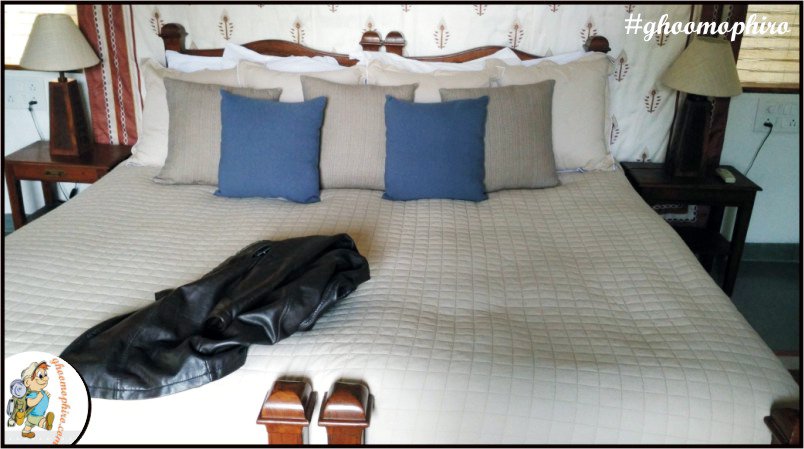
Accommodation: There are 12 luxury cottages overlooking 44acres of land. Each cottage is well spacious, well maintained with best of fixtures. Rooms are comforting; with few of them have machan terraces. As you enter the room, you are welcomed by a beautiful message that talks about wilderness. Interiors are very artistic and remind you “welcome to jungle”. Their walls are made from packed straw, mud and cow dung (as is the local building style) and painted with wild animals and flowers, giving them a whimsical touch. Cottages have private balconies, wherein you can sip your morning coffee, read your favorite book overlooking the great jungle. Air conditioning, Fan, Mosquito net, Extra beds Terrace Bathrobes, Toiletries , Hairdryer etc are available. The highlight of the cottages are their Eco-friendliness. Every small thing kept there is well thought. Everything here is recycled, even the fixtures in washroom are such that, water can be recycled. Basic amenities like swimming pool, spa is available.


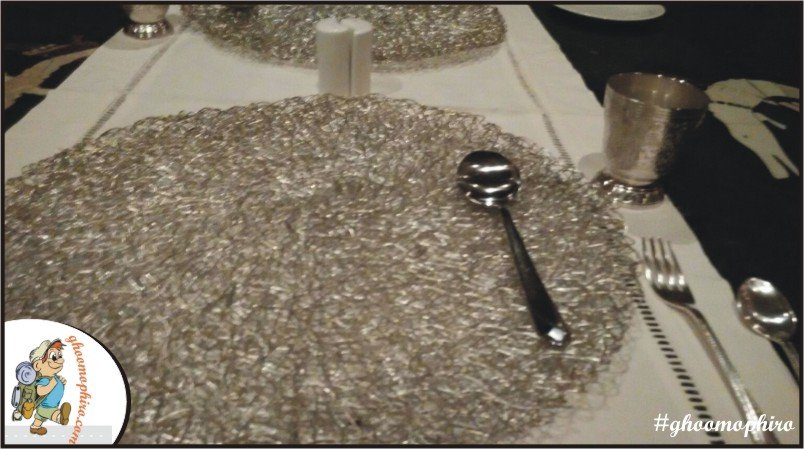
Meals: Meals (included in the room rate) are served in various locations around the lodge. Under trees, by the pool, on sofa’d torchlit terraces or in dining rooms. There are Western and Indian offerings at each meal with detailed menu laid out.
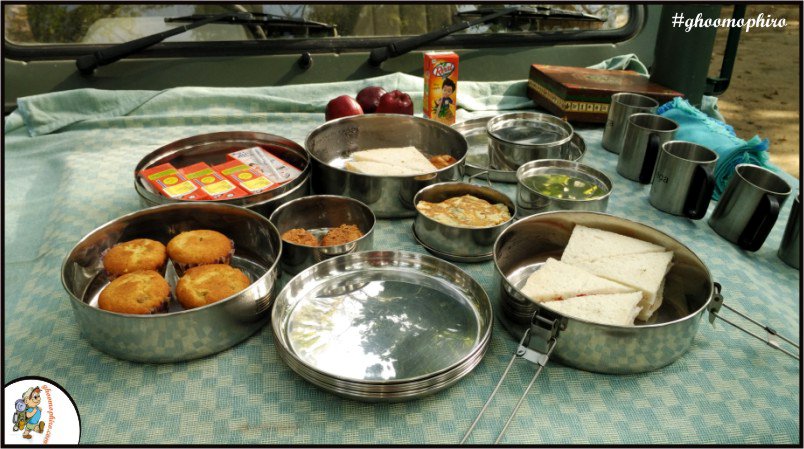
Breakfast was equally delicious and plentiful: fruit and fresh-pressed pomegranate juice, followed by eggs cooked to order, grilled tomato, bacon, mushroom ragout and multigrain toast. Out on an early safari? Then it’s a packed breakfast in the middle of the tiger reserve for you.
Afternoon tea, with its fresh-baked cookies and cakes, is nice, but it’s dinner when Forsyth pulls out all the stops: cocktails and nibbles around a roaring bonfire, followed by dinner under the stars, either on a terrace in the main lodge or out in the bush with oil lamps hung from the trees (the bar was set up on a bullock cart!). You start with a soup and then move on to succulent meat curries and fragrant vegetarian dishes served with Indian bread.
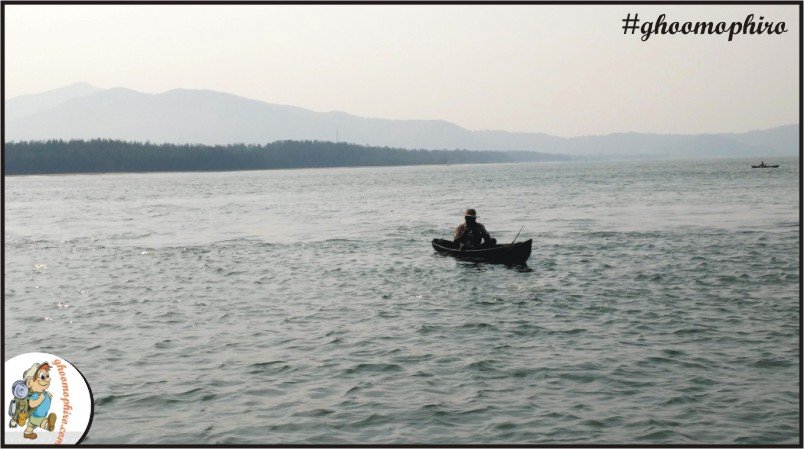
#theForsythExperience – Yes, this is what one would call #theForsythExperience, when you are greeted by wonderful hosts Rishi and his team, who work reluctantly to ensure the best experience for each guest, by their constant efforts. It seems these guys are on a mission to bring you close to wildlife. There are multiple activities, which team involves you in. The itinerary planned is power packed, and the day starts with the wake-up call at 6 AM, to go for a walk inside the Satpura Tiger Reserve. These jungle walks are accompanied by great naturalists David Raju and Surya, who let you discover the vast array of species inside the jungle. The highlight of this walk is spotted dears and breakfast in the midst of the jungle. Other excursions being organized by lodge includes Canoeing, wherein you can watch birds involved in soaking in sunlight, as you paddle the canoe nearest to them and watch the sunrise in beautiful Deneva river. One can also enjoy Jeep safari and enjoy the drive with sloth bears, spotted deer, gaurs, bisons and other wild animals in their natural surroundings. I was lucky to get hold of the mother bear with her two cubs in action. The place is a paradise for the bird watcher. Evenings are made beautiful with bonfires and bullock cart dinner experience, where you can enjoy your dinner under the sky in amazingly romantic ambiance. This dinner is usually followed by star gazing, where you are taken to the stories of greeks and Romans. 2 days are little short to complete the experience as there is a lot more to explore with eminent naturalists. Btw, not to miss is the handsome dog there, who is just adorable. It is indeed a recommended place, if you are looking for a getaway away from the city with limited access to the network, and want to get lost in the wilderness. It is the place, from where you would surely not like to come back. It is indeed bewitching and at times gives you the feeling that whole property belongs to you.


P.S-> During Monsoons, Lodge is closed for renovations.
Thank you Forsyth Lodge for the amazing experience. You can reach out to them at Facebook,Instagram,twitter.

Exit mobile version