Categories
Adventure Central India

The Haunted ruins of Kuldhara

Rajasthan has a dual nature, you fall in love with it and it can also scare you to death. There are countless places of pure manmade and natural beauty over here and there are plenty of haunted places to stay away from. Bhangarh and Kuldhara are two places famous in all over the world and acts as magnets for the seekers of supernatural experiences. Kuldhara, specifically is known for some scary stories that have been told and retold again and again to the point that it all feels so real.
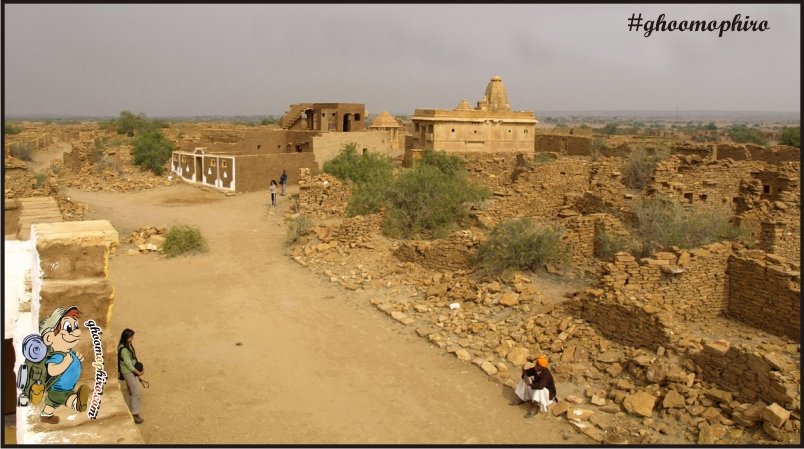
And even if the stories aren’t enough to scare the hell out of you, there is this thing that the entire village is haunted. Not like other places in the country such as Bhaangarh fort. The ruin in the village reeks of horror and it feels like a ghost is just there staring at you right in the eyes. Literally anytime in a year is good to visit the place but the summers are considered the best. As the sun shines at its very best, the walk into the ruins of the place is made way more expressive. However, if you are one of thoghostbusterter types, the foggy nights in winter will give you the best horror experience of your life.
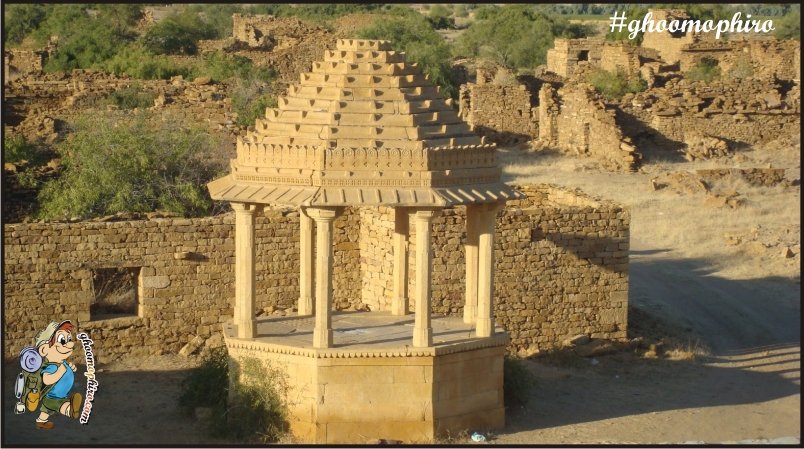
A 20-kilometre drive to the west of Jaisalmer city with brings you here. Located in the desert, this little village got abandoned by its inhabitants decades ago. But it wasn’t always this way. It used to be a quite happy and prosperous village that was flourishing under the Jaisalmer state. All that was some 300 years ago. The dreaded prime minister of the state Salim Singh had bad intentions for the daughter of the village head and he wanted her to be his wife. Under pressure, the villagers refused to give their daughter and decided to desert the village. Although, before leaving the village, they gave the village a curse that nobody will ever be able to inhabit the place. The legends say that since then whoever tried to stay here intentionally or unintentionally gets haunted by the evil spirits. Overtime, people have made their pact with the fact that this place can never become habitable.

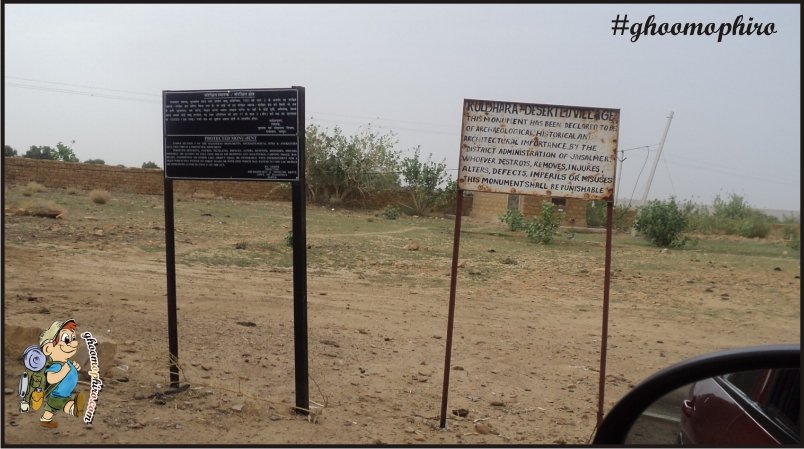
The first monument you witness upon entering the town is a barren place. The remains of the building reek of years of suffering from the changing seasons, rains and desert storms. The place however is a protected area and is maintained this way by the Archaeological survey of India. After collecting the ticket to enter, we fall upon the village which sure looks like it must be full of life once. But now it all looks straight out of a post apocalyptic movie. The roofless walls, the rotten streets and rows of mud all tell a sad story. The story of the people who must have this place as their home and the dreaded reason they left this place for, it all seems so depressing.
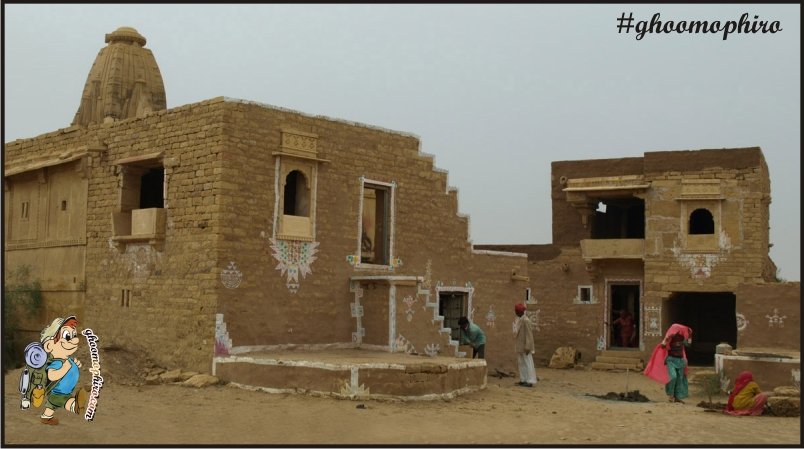
There is a place right in the middle of the village which looks like a house. Although most of it has been ruined, still there is pretty much of it that is left intact. There are few rooms with broken furniture, scary walls and everything else that makes you feel the presence of something supernatural. The roof is still intact and gives a great glimpse of the entire village. Although it did seem all scary to us, somehow, the village was accepting us. Maybe the nights would be scarier, but we didn’t wait for it and left.

All these experiences do make us realise that there are some outward forces in the midst of us. These haunted places are a great way to experience the complicated phenomenon that human existence is.

Categories
Festival North India Spiritual Hubs

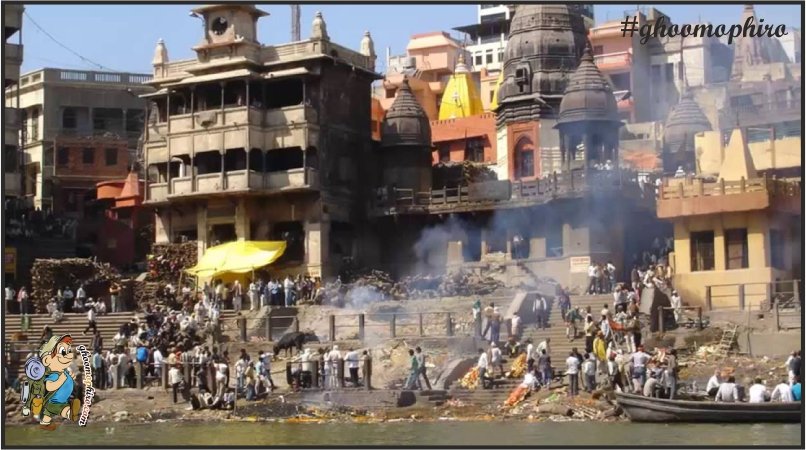
Memories from Ghats in Varanasi

One of the best experiences that one has while travelling to the holy city of Varanasi is taking a boat ride across the ghats for which the city is famous. These ghats, which happen to be over 100 in Varanasi, are of great significance to the people of Varanasi and the Hindus in general.
There are a few of them though, which you should not miss at any cost if you happen to be in the city even for a very short period of time.

Assi Ghat- The Assi ghat is located right at the place where the Holy River Ganges meets the Assi River. It’s not as crowded or chaotic as the other ghats in the city and it being located at the southern corner of the series of ghats, it’s one of the most beautiful of them all.

Chet Singh Ghat- Other than the obvious, Chet Singh ghat is also known for one other thing. It was the place where Maharaja Chet Singh fought the British troops in the 18th century. There is very grand fort nearby, marking the defeat of the king.

Darbhanga Ghat- Darbhanga ghat is arguably the most impressive, beautiful and architecturally significant ghat in the city. It has a grand palace in its proximity which was built by the royal family of Bihar in the early 1900’s.

Dasaswamedh Ghat- This one is the ghat where the grand aarti takes place every other evening. It is one of the oldest and the biggest tourist attraction in the city. The chaotic vibe of the ghat is not irritating; it’s the extreme opposite, soothes the senses.

Man Mandir Ghat- The amazing Rajput architecture influence makes this ghat separate from the rest. This also happens to be one of the oldest ghats in the city and there is a grand palace right nearby it which is said to have been built by Raja Man Singh of Jaipur in 1600. An additional observatory got added later in the 19th century.

Scindia Ghat- Scindia ghat is picturesque and peaceful to its core with absolute distance from the chaos of the nearby Manikarna ghat, the ghat that burns. Other attraction besides the ghat itself is the submerged Shiva shrine which happens to be partially visible. The temple sunk underwater in 1830 due to some construction work that took place.

Bhosale Ghat- Bhosale ghat looks distinctively fresh and got built by the royal Maratha family of Nagpur. The artistic nature of the ghat makes it quite popular among the tourists as the windows at the top of the building are amazing to watch.

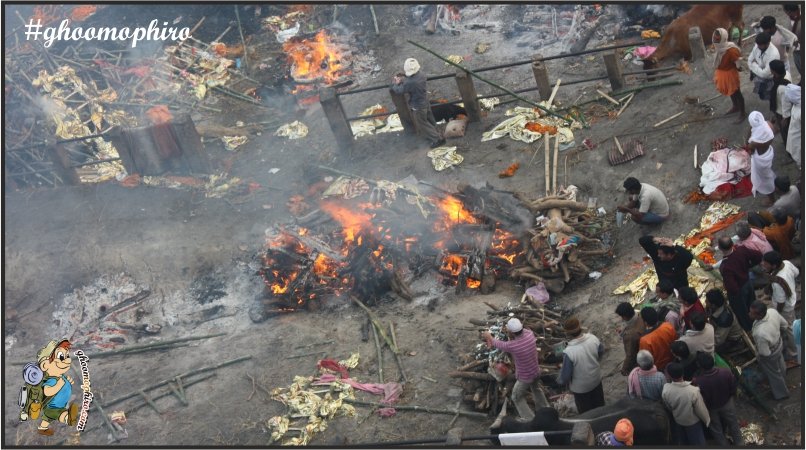
Manikarna Ghat- This is the ghat where most of the bodies get cremated in the entire city. Hindus hold a firm belief if the bodies were burnt here, it would make them free from the cycle of birth and death.

Do’s and Dont’s

Do’s

Do respect the rituals taking place at Cremation Ghats in Varanasi. The fact that they even allow tourists to watch such a personal affair in their lives is incredible but at the same time, you should respect the holy surroundings. Before entering, you should put your earphones in your backpack and avoid indulging into music at such places.

Dont’s

While planning to visit these cremation ghats, do not carry your camera and do not click photographs of cremations and rituals nearby, not even from the river, as it believed to interrupt the soul’s journey to Nirvana and also it is disrespectful to the family members in grief. Also, do not indulge in littering the holy sites.

One can see thousands of people bathing in the Ganges usually at sunrise at these ghats which is a beautiful sight to watch. Don’t miss on going for a boat ride (at early morning or after sunset) and explore the different sounds and tempting smell coming from the alleys.

For bookings to Varanasi, connect with us at ghoomophirosisters@gmail.com

Categories
Adventure Festival North India Spiritual Hubs

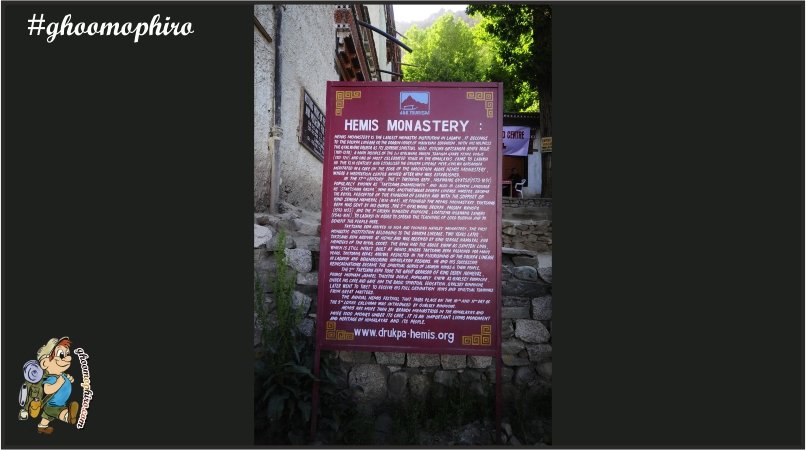
One of the wealthiest Tibetan monastery – Hemis Monastery

The Hemis monastery is one of the wealthiest Tibetan monastery located 45km away from the Leh in Hemis, right on the bank of river Indus. The monastery has been dedicated to the prestigious Dugpa Kargyutpa order and is built surrounded by some of the most beautiful visuals in the entire country. The monastery is also ones of the oldest one founded in the year 1630 by the first incarnation of Stagsang Raspa, Nawang Gyatso.

The place is religious primarily, but from a tourist’s point of view, the place has to offer much more. Set amidst the enchanting greenery in the arms of the Himalayan range, the monastery has more than 200 branches, where about 1000 monks pray and live in peace. The richest and wealthiest monastery in India is the Hemis monastery of Jammu.

How to Reach

The monastery is about 45km away from the Leh in the south direction. By road, the visitors can opt for taxis, buses and one can travel through their own vehicle.

It is advisable to keep map while traveling to this place as the route is confusing. By air, flights run on the daily basis from Delhi to Srinagar from where Zoji-la pass road connects to Leh. Interestingly, for those who want to seek some adventure, they can reach the Leh by cycle with a large group of friends through highways.

The monastery is surrounded by majestic mountainous region and is well connected to motorable roads. The bike rides to the monastery are a common sight and one of the most memorable ones at that.

The monks here believe in living the life of grandeur and there is no dearth of necessities being provided to them.

Sightseeing

Impressive and intriguing, the sprawling complex of the monastery is segregated into two parts – the Tshongkhang and the Dukhang. As you take a walk along the corridors, the vividly painted corridors depicting the stories of the Kalachakra and the Lords of the Four Quarters are delight to watch.

The Hemis Monastery is the biggest and the richest in the Ladakh region and it is much evident in the eye-catching gold statues adorning the stupas, embedded with precious stones. The Hemis Monastery also has an interesting library that hosts that an inspiring collection of Tibetan books, relics, manuscripts and more.

You can also find an extensive museum inside the monastery, a little place that documents the history of the Gompa and has some very precious religious treasures. Do not miss the souvenir shop where you can buy curios.

The Hemis Festival

The famous Hemis festival shouldn’t be missed at any cost.  It is celebrated on every 10th day of lunar according to their calendar. The festival is celebrated annually somewhere near the end of June or early July. The monks perform the Chham dance wearing heavy brocade gowns and masks which are a visual treat to the observers. This dance depicts the victory of good over evil.

The festival lasts for 3 days in the month of June.

The monastery provides a great place to stay for the tourists who intend to spend the nights here. The food and butter tea provided by the monks to the tourists are in the house.

Food

Hemis shares cuisine varieties with Leh. Do not miss the different styles of cuisine including the thukpa (thick soup with vegetables), Pava which is made of sattu) ,  khambir and tasty sandwiches prepared with apricot jam.

Here are a few best restaurants to explore while you are here.

  1. Bon Appetit, Leh, Ladakh
  2. Lamayuru Restaurant(Indian Restaurant)
  3. The Nook
  4. Tibetian Kitchen
  5. The Zen Hotel Leh Ladakh

The best time to visit

The best time to visit Leh is the ‘season’ time starting from June, and this is also the time when the Hemis Festival is held. It’s an ideal time to visit as one can cherish the clear skies and take delight in the mountains sparkling in the sun.

Important details you need to know

The Monastery can be visited from 8 AM onwards and it is open every day for the visitors. There is no entry fee for visiting the monastery, but to visit the museum, you will need to buy tickets.

Places to stay in Hemis Monastery

The monastery provides a great place to stay for the tourists who intend to spend the nights here. However, if you do not want to stay in the monastery, there are other resorts and hotels to stay near Hemis Monastery.

Some of the best options to stay are Ratna Hotel Ladakh, Hotel Shangrila, Hotel Royal Palace, Hotel Ladakh Imperial and Hotel Cho Palace.

Categories
Corporate Outings South India Treks

Enjoy the thrill of Betta Rangaswamy Night Trek this weekend

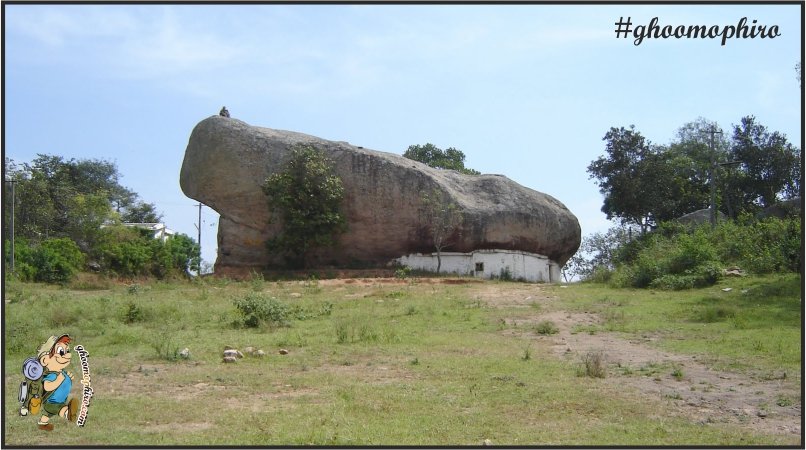
Kunti Betta is a magnificent view of two rocky hills right in the heart of sugarcane and paddy fields. Situated some 125 kms away from Bangalore in Pandavapura of Mandya District, Kunti Betta is surrounded by the lush green coconut trees with the fragrance of deeply rooted cultures in the air. The legends have it that this exotic destination once served as the habitat of Kunti (the mother of Pandavas in Mahabharata) during their exile.

There is a temple right at the foothills of the rock. During monsoons, the place turns lush green. There is a beautiful pond called Kunti Kund. The name of the destination originally is Kunti Betta but colloquially it is known as just Betta.

Traveling to Betta right at the midnight is the journey full of surprises, adventure, and fun. It is advisable to have some light dinner before boarding on the journey of your lifetime. You will have to pass through dense coconut trees and then a school to reach the temple of Kunti Betta.

You can use school area as the parking lot for your trekking. The stairs are guarded by the dense coconut trees. While climbing up the stairs to the temple, you will notice a cave that housed Pandavas during their exile. The Pujaris of the temple now live in that. There are a few rooms in the cave. These rooms are now used by pilgrims from all over the country. The temple of Kunti Betta is right in the middle of two rocky hills. A pillar on the top of rocks is believed to have been used by Kunti.

You should start your Betta night trek from the right side of the pond. You will notice a steeply inclined surface of a single rock. This is where you should step your foot and start your climb. As you trek for a few meters, you will realize that there is an inclination of about 60 degrees or so. Be careful while navigating your way through the slope. You will notice a number of boulders on the side of the trekking path. Soon you will be able to see the Kunti Kund—the famous pond of historical significance. A straight wall will appear. Do not try to scale this wall. Instead, take the right turn from the boulders and keep trekking on that trail. The trail will pass through dense trees.

You will have to crawl through these dense vegetations and sometimes scale up the rocks. Keep trekking until you experience a spectacular view of the natural beauty. You feel glorious just like Pandavas.

One of the best parts about trekking in the night is sunrise. When you are on the summit, the sunrise suddenly starts to collect the dark of the night religiously.

The chanting of Shlokas and sacred noise of the temples fill the environment like they are praising for your victory over the hills.

Be careful while descending as well. You should carefully arrive at Parikrama Point. You will notice some really weird shaped rocks at this point. People say that these were the utensils of the Pandavas.

Categories
Culture Tribal

Bastar, Face of Tribal India

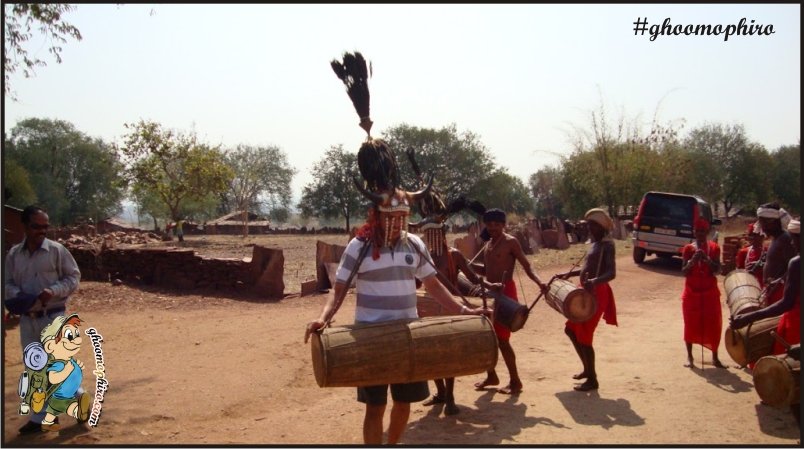
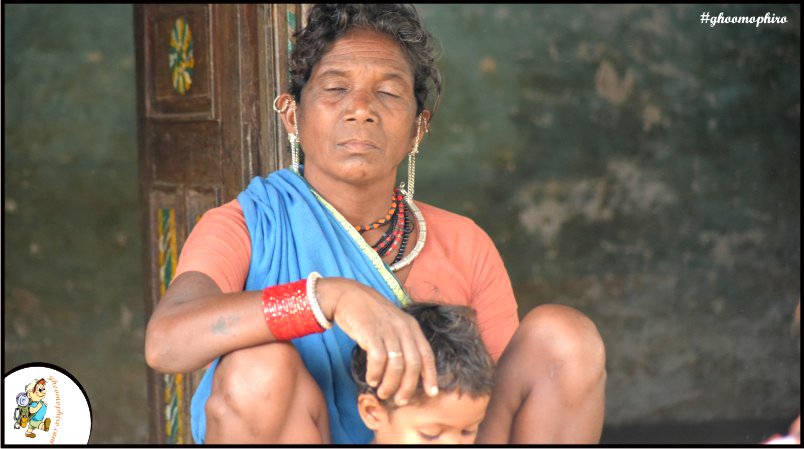
About one third of the total lands of Chhattisgarh are covered with dense forests. And in those deep forests, there are some tribal people, who happen to be largely unaware of what the world looks like outside the forests. Some people belonging to those tribes have somehow peered their way into the more mainstream civilization and it is believed that over 70 percent of the total population of the state is tribal people.

Their lives has been seeped well into their ancient traditions and culture and visiting the places could be one of the most rewarding experience any travel junkie can have. Below is an insight into the different tribes dominating the lands of Chhattisgarh.

Gonds- Gond tribal people, who also call themselves as Koytorias are the most dominating and largely populated people in the state. They are spread across the entire state but southern Chattisgarh’s Bastar district is their primary home. The literal meaning of the word Gond is hill, these people are also known as Hill People. The people of this tribe speak Gondi which belongs to the Dravidian family of languages and relates to Tamil and Kannada. Like many other tribes, Gonds worship a high god known as Baradeo, who has alternate names such as Bhagavan, Sri Shambu Mahadeo, and Persa Pen. Many Gond festivals are connected to agriculture. Pola, a cattle festival, and Nagpanchami, the snake festival, are very popular.

Stick dancing is a Gond custom undertaken by young people, where bands of young people travel from village to village, dancing, and singing. The dancing is regarded as a religious duty and also an occasion for fun. Gonds are protective in nature towards pregnant women and protect them against spells and evil influences, thus performing several rituals after a baby is born. How they welcome their visitors is quite inspiring in itself. Gonds use dried tobacco leaves, fruits, or other small gifts to welcome their visitors. Many villages also have guest huts.

Abhuj Maria– This tribe happens to be one of the oldest tribes in Chhattisgarh who still follows by its rules and traditions. Settled in Abhujmar forests, they are isolated tribal people who have had little contact with other social communities and are known for their aggressive nature. They are cut off and rather hostile to the modernistic adaptations other tribes have witnessed over the years. They don’t like to cover themselves in anything and are largely dependent only on the lion cloth to cover themselves. This tribe mainly resorts to hunting for their survival.

Bison Horn Maria- These people are also known to evolve from the Gond people themselves. They are spread across some parts of Madhya Pradesh and Maharashtra as well. The name they got is attributed to the headgear that they wear, which somehow resembles horns of a bison. Although that headgear is put on the heads during the special occasions such as marriages, it is enough to distinguish them among the other tribal people in the region.

Muria- Muria tribal people also form a great chunk of the overall population of the state of Chattisgarh and Bastar district. Their native home is the jungles of Narayanpur tehsil. Muria people are known to be quite broadminded people and their economy is primarily agrarian. Rice cultivation is their favorite occupation and in the recent times, they have started sending their youths to the outside cities for better education.

Halbaa- Halbaa people are known to be peace loving and honest to their core. Agriculture is their biggest occupation and they are well respected and popular people. They have a great reputation to be one of the most progressive and contemporary tribal group. They speak Oriya and Marathi primarily along with Chhattisgarhi and their customs and traditions reflect the progressive nature of them. They also speak the Halbi language, an Indo-Aryan language which is written in the Devanagari script.
The tribal people of Bastar are as fearful as they are peaceful. Living in an isolated land, they somehow have managed to survive and are continuing to do so.

Categories
Central India Culture Tribal

This is what you donot know about Baiga Tribe

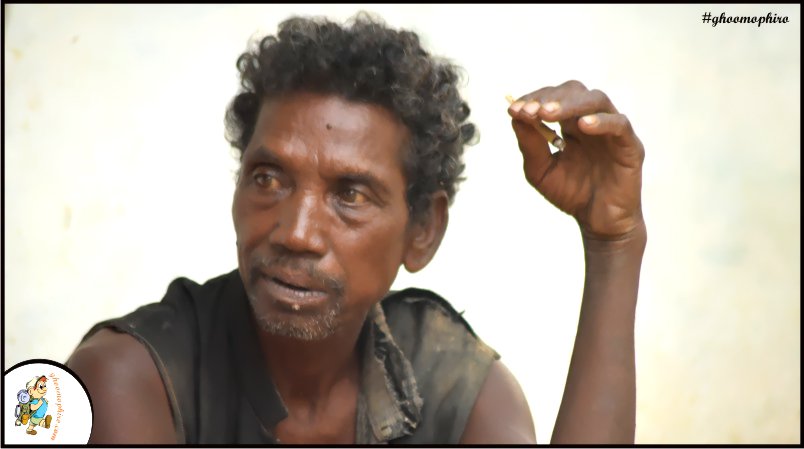
India is a home to many tribes and Baiga is a tribe found Madhya Pradesh, Uttar Pradesh, Jharkhand, and Chattisgarh. With its population of about 250000, they live in thick woodland areas. In Madhya Pradesh, they are spread over in Mandla, Dindori, Shahadol, Balaghat and Umaria. we find tribal life quite interesting as their lives are free from the materialism that has been rotting this world. Baiga Tribe was a source of curiosity for me so we hunted down some information. Here are some interesting facts about Baiga Tribe:

Simple life: Baigas believe themselves to be heirs of the earth and rulers of woodlands. Yet still, they live a simple and straightforward life. Their homes are not adorned; they do not wear any ornaments. It is truly a simple way of living.

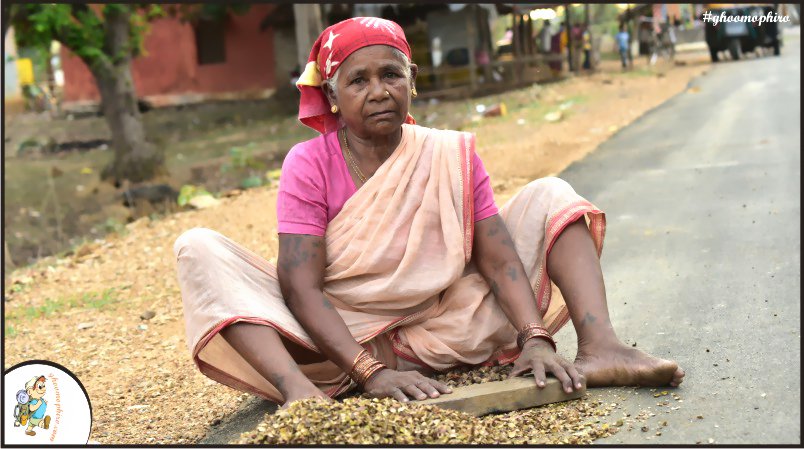
Tattooing: Tattoos make up a huge part of their culture. Baiga women have every body part tattooed with big elaborate figures. Upon asking, they revealed that this art has been passed down to Badi-Badanin group who do the tattoo work. They know the types of tattoos demanded by each tribe and have learnt the art from their mothers and would surely pass it down to further generations as well.

Shifting cultivation: The people of Baiga tribe never plough the field as they believe it would be similar to hurting the breast of their mother. They do not plant crops on the same patch again to give mother earth time to replenish the energy. Baigas practice ‘Swidden’ agriculture and it is known to be an effective device for conservation.

Laborer: The hunters and woodsmen of Baiga tribe considered themselves as people of the forest who lived there, survived on the produce of the forest. As such, they refused to work for the government or any other person as it would reduce them to the level of a laborer.

Coarse food: Baiga eat food in coarse form like coarse grain. They also eat little flour and drink pej. Pej is made from grounding macca or water left after boiling rice. They also find food from the forests and eat Peepal, Gular leaves etc. Some fruits such asJamun, Tendu mangoes and delicacies like mushrooms also form part of their diet.

Eviction: These tribes have suffered from threats and they have even been forcibly evicted by Indian authorities since 1960s. The main reason given is to protect the wildlife and tiger populations but as a result, these communities become a victim. They get displaced and we must understand the plight of these traditional tribes of our country.

Hunting: They mostly hunt fish and small animals for food. Their impact on wildlife is not as troublesome as some people make it out to be.

Language: Though most Baigas interact with outsiders in Hindi and they have also picked up few local languages. Among them, they talk in a language called ‘Baigani’. It takes its style from Chattisgarhi and is also influenced by Gondi language and mostly the tribesmen from Mandla district have adopted it as a language.

These tribesmen and women of Baiga tribe practice semi-nomadic culture and we must pay attention towards preserving these cultures as they make an important part of our diverse country. Our country is a secular one as such everyone is allowed total freedom. It is not right to forcibly evict these tribes from their homelands. Even though, incentives are provided like that of money and alternate land, these often turn out to be lies and the tribes end up with nothing even after losing their territories.

Categories
Architectural Central India Historical

Bhimbetka –an experience decoding the archeological sites and Indian rock art

Situated right in the heart of Madhya Pradesh, Bhimbetka is one of the most visited tourist places in India. It hosts some of the best archeological sites in the world with the reflection of human traces from the South Asian stone-age. The government of India declared it a world heritage site in the year 2003. We bring you a list of a few good things you can do while you are in Bhimbetka.

Explore Cave Paintings

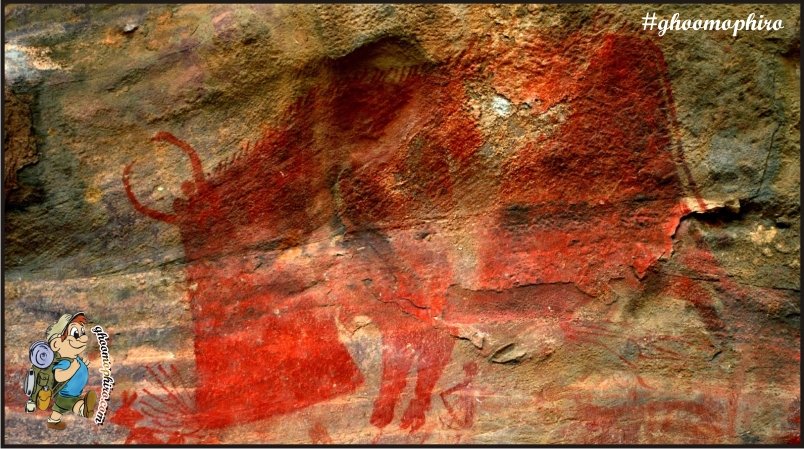
The Bhimbetka rock art sites are about 45 kilometers southeast of Bhopal. These rock sites have become renowned and are the ones that are always mentioned whenever we talk of the most spectacular Indian rock art.

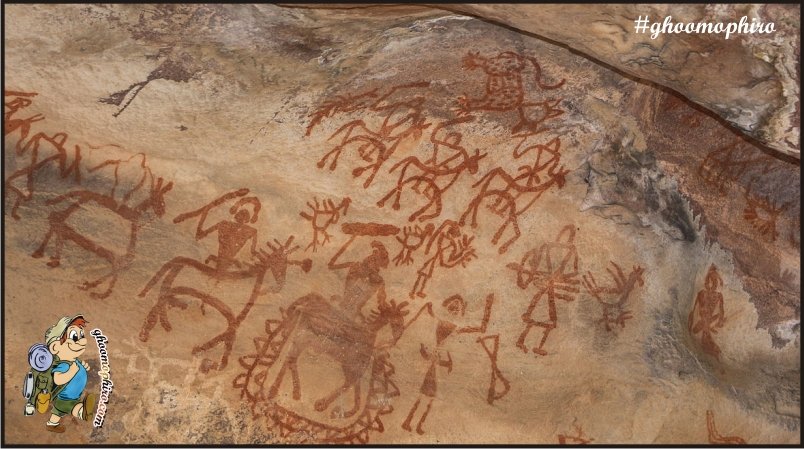
The place hosts a painted sites and caves with traces of art and paintings by ancient humans. Several archaeological studies suggest that these cave paintings are one of the oldest in the world. You must explore cave painting in Bhimbetka during your stay in the city. The moment you step into a cave to explore the incredible heritage of India, you are literally transformed to a different world. The cave paintings are a great way to understand the people of ancient times, outlook, and their culture.

Visit Bhojpur Temple

Bhojpur temple has an Indian mythological significance. According to local beliefs, Bhojpur temple was developed by Bhima, the second son of Pandu in Mahabharatha, while he along with other four brothers and mom was in exile for 13 years.

A staunch devotee of Lord Shiva, Bhima created the temple overnight for his daily offerings of prayers. There is a gigantic Shiva Linga in the temple. Tourists from around the world flock to offer their prayers here. The cave paintings also depict art, music, jewelry, dancing, honey collecting, horse riding, elephant riding, masks, and animal fighting. There are loads of animals carved on the walls of the temple such as dogs, monkeys, elephants, tigers, antelopes, tigers, boars, lions, elephants, and crocodiles among others.

Visit Hoshangabad

Hoshangabad is a place of historical significance in Madhya Pradesh. From some of the most popular temples to a host of cave paintings, this city, a few kilometers from capital Bhopal is a sight to behold. Just like cave paintings in Bhojpur temple, the cave paintings found in Hoshangabad depict ways how the people from ancient time used to live. Cave paintings showcase hunting, dancing, music, art, and animal fighting. A number of animals have also been depicted in these paintings. Some of them include dogs, monkeys, elephants, tigers, antelopes, tigers, boars, lions, elephants, and crocodiles among others.

How to Reach

Flight

The nearest airport to Bhimbetka is the RajBhoj airport which is located at a distance of around 45 kms from Bhimbetka. The airport is well connected to the major domestic airports via regular flights.

Road

Bhimbetka is easily accessible by road too and is just around 46 km drive from Bhopal. One can hire Taxis and Buses which are easily available on this route.

Food

Foodies can tantalize their taste buds right from early morning in Bhopal, as you can find various stalls serving Poha Jalebi. Almost every shop and restaurant in and around Bhopal serves the delicious Poha Jalebi. If you are comfortable with small food chains, you will find many Dhabba which get under way to the caves, where this famous combination is served with a hot cup of team. Local people call it “cut chai”.

The place is famous for its sweet-sour and spicy ‘chaat’ of this city that is loved by all. Since Bhopal is the hub of Mughlai culture, it offers famous delicacies such as chicken tikka, biryani, goat kebabs and goat kebabs.

More about Bhimbteka

Bhimbetka is home to more than 500 rock shelters and caves which comprise a large number of paintings which steal the limelight. The oldest paintings are considered to be 30,000 years old.

The place is of great interest to the tourists of almost all age groups.

Places to Stay in Bhimbetka

There are a plethora of hotels that one can find in Bhopal, situated 40 km away from Bhimbetka. You can find hotels within your budget in the city. Rooms are usually available all through the year.

Categories
Corporate Outings Culture Itinerary North India

The Venice of the East “Udaipur City”

Rajasthan speaks of royal hood like no other place in the country. A home to Nawabs and Rajputs, who are known to be quite colorful rulers, have given the state so much to preserve that it still remains unmatchable. Talk about the forts, palaces, and temples, everything is mesmerizing. One of the most historic cities in the state is Udaipur. Udaipur is the reason why the tourists make their trip to Rajasthan longer than they plan. There has been much said and written about the place but there is still a lot that remains unexplored. Here we present to you some charming things about Udaipur that you must not forget to visit on your next trip to this rugged beauty of a state.

City Palace-This royal place is located right in the heart of the city. Entrance to the place is done as you pass through the Hathi Pol, elephant gate. This is a massive palace and it may take you about 2 to 3 hours to take a complete round of the place. Keep your mouth closed as you witness the man-made the masterpiece with your naked eyes. There are many cafes available in the palace serving great cuisine. Some of the best-known cafes are Grasswood Cafe, Cafe Satori, CafeRA, Yummy Yoga, Udai Art Cafe, Espresso Love Cafe, Brewmen and Cafe Edelweiss.

Bagore ki Haveli- This marvelous structure got itself built sometime in the 18th century and it has stood here since then in all its grace, tempting the tourists to visit it again and again. The Haveli happens to be set on the edge around the Gangaur Ghat. The place was built by a Mewari prime minister about 200 years back and after that, it got restored by the government since. The place has been preserved quite neatly.

Boating in Lake Pichola- The boating in the sweet lake is one of the many things that are unforgettable about the city. On the mirror-like crystal clear surface, the lake reflects the cool blue and grey mountains that stand nearby. The boating experience becomes far more exotic when you have someone special to accompany you.

The Fateh Sagar Lake

Fateh Sagar Lake is an artificial lake in Udaipur, the first being Jaisamand lake. It is built by Maharana Jai Singh, with Moti Magri hill at its one side and Udaipur city on another side. The beautiful picturesque lake was named after Maharana Fateh Singh, who later made the modification to this alluring lake. The charming widespread water sheet is bejeweled with three small islands. The travelers can reach there by taking a boat ride in the lake. The Fateh Sagar Lake has 3 islands. The largest among the three islands artificially made on the lake is a beautiful park named Nehru Park. The garden has a boat-shaped restaurant and a small zoo for children. It is a favorite picnic spot of Udaipur dwellers.

The second island is a public park with excellent and ravishing water-jet fountains and the third island is named as Udaipur Solar Observatory. The calm and soothing surroundings of Fateh Sagar Lake make it the best and an ideal place where people can recharge their minds and enjoy the scenic view of the lake.

Jag Mandir- Does the name of the place ring any bells? International pop star Katy Perry got hitched to the comedian Russell Brand here in a grand ceremony. This place is located on an island in the lake Pichola and stays crowded almost all the time due to the heavy crowds coming here to visit the temple.

Dine in beautiful Taj Lake Palace

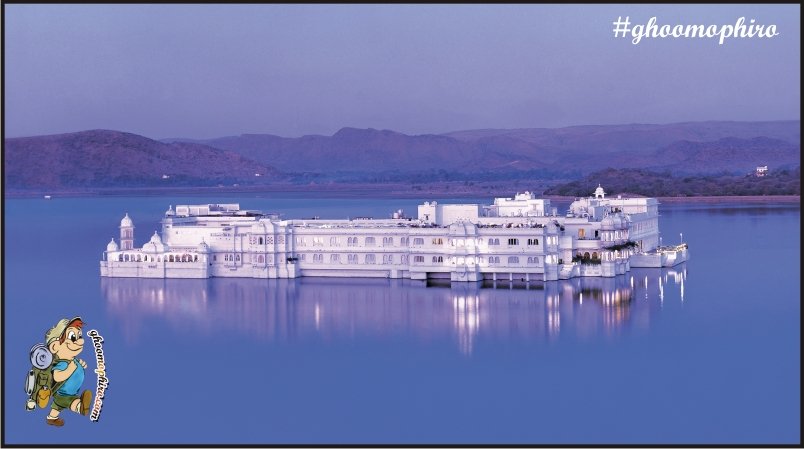
Prince of Udaipur, Maharana Jagat Singh 2 was known for his lavish lifestyle and romantic nature. In order to fulfill his luxury and fancy desires, in 1746 he built a palace on the Lake
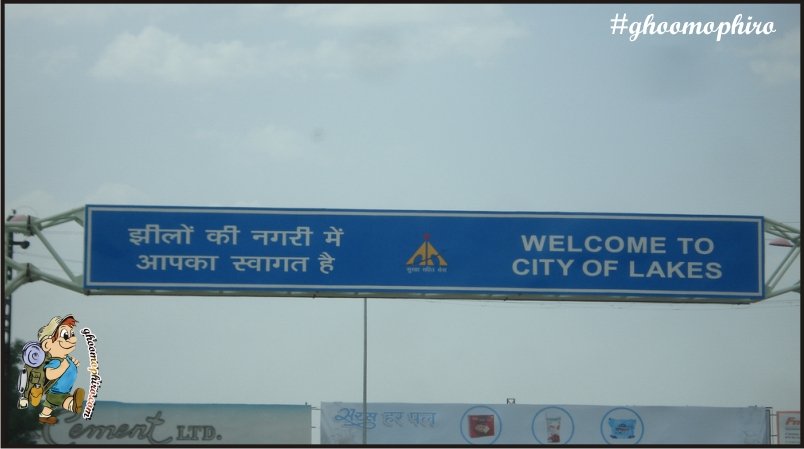
Pichola for his pleasure, which he named “Jag Niwas”. The beautiful picturesque palace is now one of the most famed romantic hotels across the world, which is famous with the name “The Taj Lake Palace”. If you are paying a visit to the city of lakes with your better half, then this alluring amorous destination can act as a cupid in your life’s chapter.

Travel Tip

The best time to visit  Udaipur is in the months of September, October, November, December, February, and March. At this time of the year, the temperature remains pleasant and enjoyable.

Udaipur is one of the most eccentric cities in the beautiful state of Rajasthan. The alluring city is also called as the Venice of the East, because of its culture, heritage, eye delighting architectures, palaces, serene lakes like, beautiful temples and resplendent gardens, has a lot to offer. If we talk about lakes the tranquil of Fateh Sagar lake and Pichola adds charms to this scenic place.There are many attractions at the place but what can we say, the less is more and the more is less when it comes to the true beauty.

Categories
Adventure Deserts Himalayas North India Treks

5 things you must do in Spiti Valley

Himachal Pradesh, the north Indian state has been the center for the north Indians to sneak in for a weekend or longer. There is some reason for that, and that reason being there are places that are more beautiful than the rest. Everybody knows about it. Why else would it be known as the most favorite tourist destination for the Indians? Spiti Valley is one other hilly area in the state which caters to tourists in great ways. Whether it’s food, sightseeing or to have pure unadulterated fun, there is everything which one can expect to have to a holiday destination. So, Here is a quick checklist of items one should not miss out while being at Spiti.!

This should definitely inspire you to travel to Spiti

Rafting- River rafting is always a fun activity to do especially if done amidst the vast landscapes, high ridges, glaciers, pastures and mountain tops. Pin and Spiti rivers offer some of the most awesome rapids that can be the ride of your life. As you move through the narrow passes and heavy glaciers you come to know that what sort of fun rafting is capable of providing. The rafting in these rivers gives access to beautiful places that can’t be reached otherwise. The best rafting spots are on the Pin River. From January to June, the river rafting can be enjoyed from 09:00 am – 05:00 pm. whereas from September to December, the rafting experience can be enjoyed from 09:00 am – 05:00 pm.

Visit Giu Village- A village located at a height of about 10,000 feet above the sea level promises a lot of things in general. Located between the towns of Sumdo and Tabo, the village is quite ancient and historical. The Tibetan mummy placed in the museum is over 500 years old the thing it has becomes known for largely and quite rightly. The mummy was discovered by workers of Indo-Tibetan border police constructing a border surveillance post near Sumdoh. It is believed that the mummy represents a Lama mediating. The long preserved dead human bodies are in fact the things that scare you to death and amazes you at the very same time. Whatever might be the truth, it’s worth visiting the mummy once.

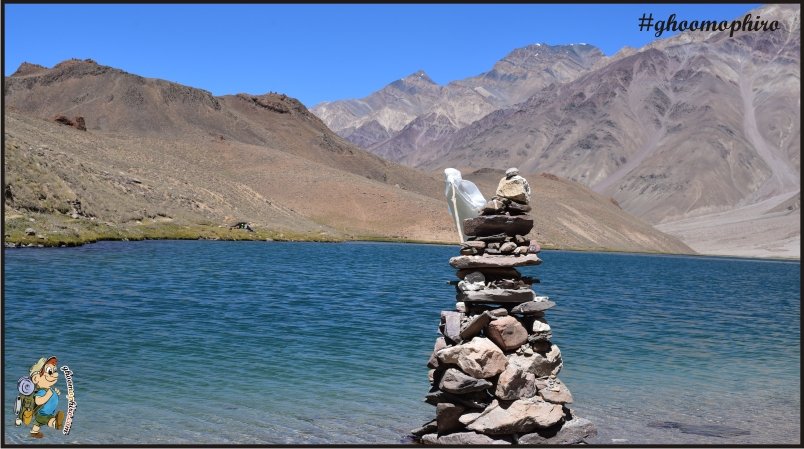
Camp at Chandratal- Chandratal is a lake, and not just any other high altitude lakes, it is said that this has always been the most photographed lake in the entire world. Well, that says a lot. The beauty of the lake is mesmerizing and once you enter the place, you will see hundreds of camps set up there. The location is perfect for camping and in the early morning hours, the place looks nothing less than magical.

Visit the world’s highest post office- The post office located as the place is popular to be known as the world’s only post office that is located this high. Hikkim is located at a height of about 4400 metres above the sea level. So, never forget to say hello to the staff as they sit proudly and do their work honestly sitting at this height.

Trek- Where there is a mountain or a hill, trekking is unavoidable. Trekking here in the valley is one of the most tiring and the longest ones maybe, but high on the excitement level. There is not an inch of the place that will get you bored. Trek to Dhankar and back is one of the most crowded treks in the Spiti valley.

Located amidst the majestic Himalayan range, Spiti valley is as exotic a place can get. Never forget to give it a try during your next trip to Shimla or Manali. Once you enter the Spiti Valley, it’s not so easy to take an exit from this beautiful place. You could easily plan to stay for 11-12 days in this cold desert. The best time to visit Spiti is in between July and September.

Categories
Architectural Corporate Outings North-West India Spiritual Hubs Uncategorized

Mahabaleshwar is the place to be this weekend

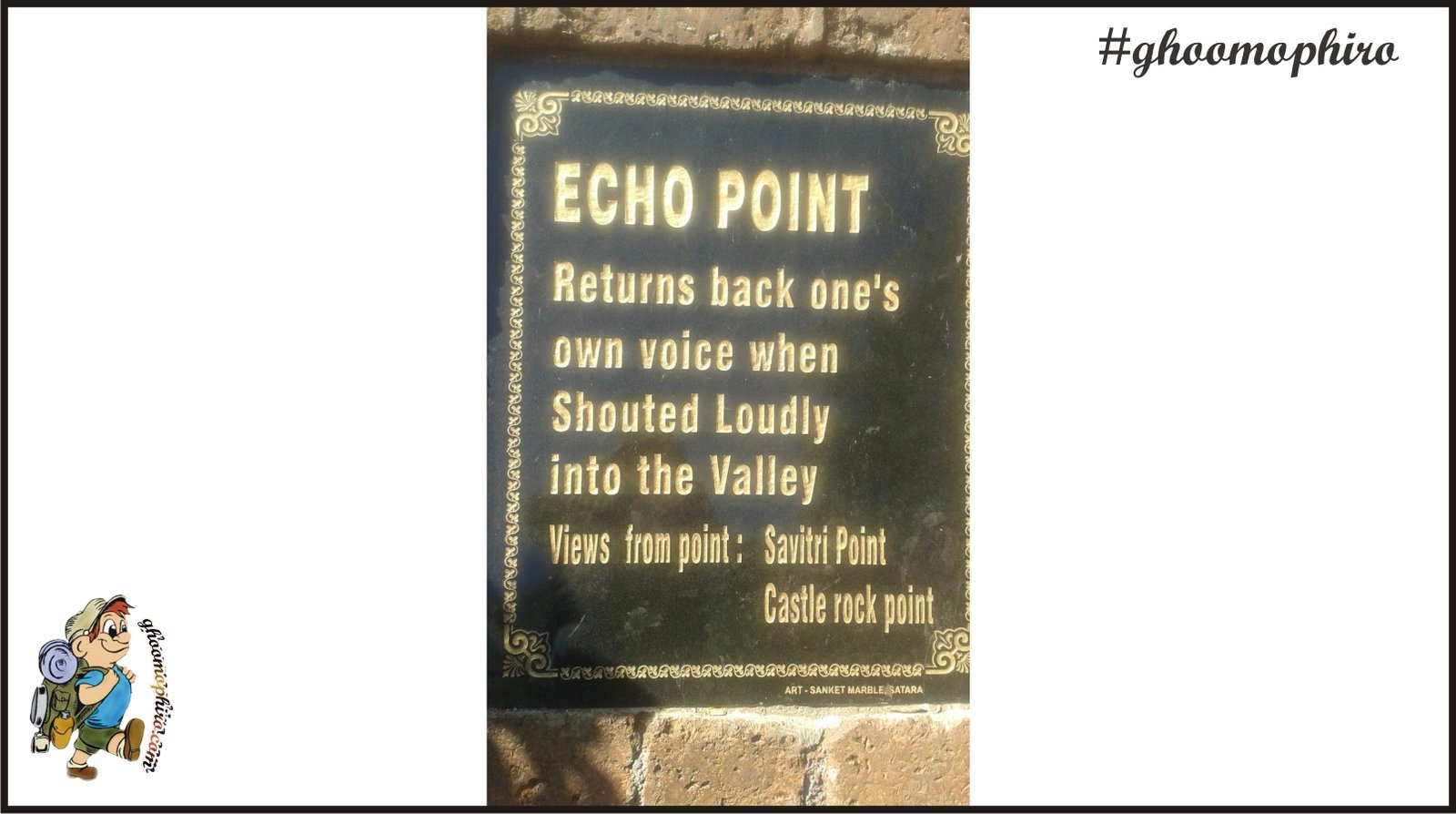
Located in the western Indian state of Maharashtra and nestled among the Sahyadri Mountain ranges, Mahabaleshwar happens to be one of the most important and often underrated gems of a tourism place. There are numerous enchanting places one can visit in the city. A day is far less than enough to totally grasp in everything that the city has to offer. But still, if you are short on time, there is much you can do. Let us start exploring the place through our lens.

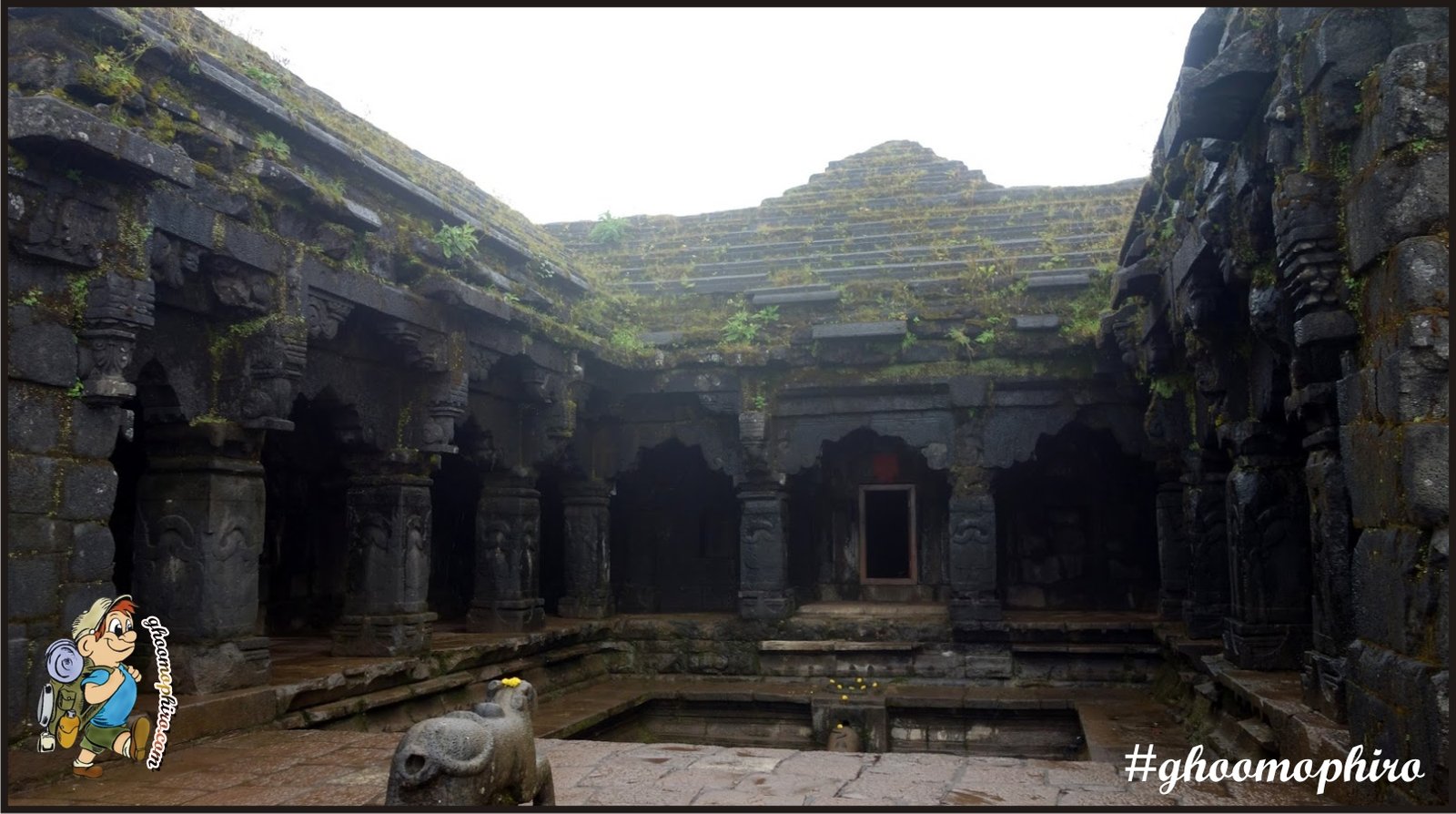
After the breakfast in the morning, you must visit the place the city has been named after, the Mahabaleshwar temple. The temple happens to be a great monument full of the architectural magic of the medieval era. The city is, however, full of many different temples dedicated to many different gods from the ancient Hindu mythology which you can visit. Mahabaleshwar Temple, Panchganga Mandir, Shankar Temple, Mahabaleshwar Shiv Mandir, Janni Mata Mandir, Shree Ganesh Mandir are some of the temples to check out. You may have to hurry as there are a lot more places to see during the one day tour.

The next stop could be the Panchganga temple which happens to be around for more than 4500 years. The temple is known to be the origin of seven different rivers. Out of all of them, spring of five keeps flowing in the direction of the temple, hence the name Panchganga- Five Ganges.

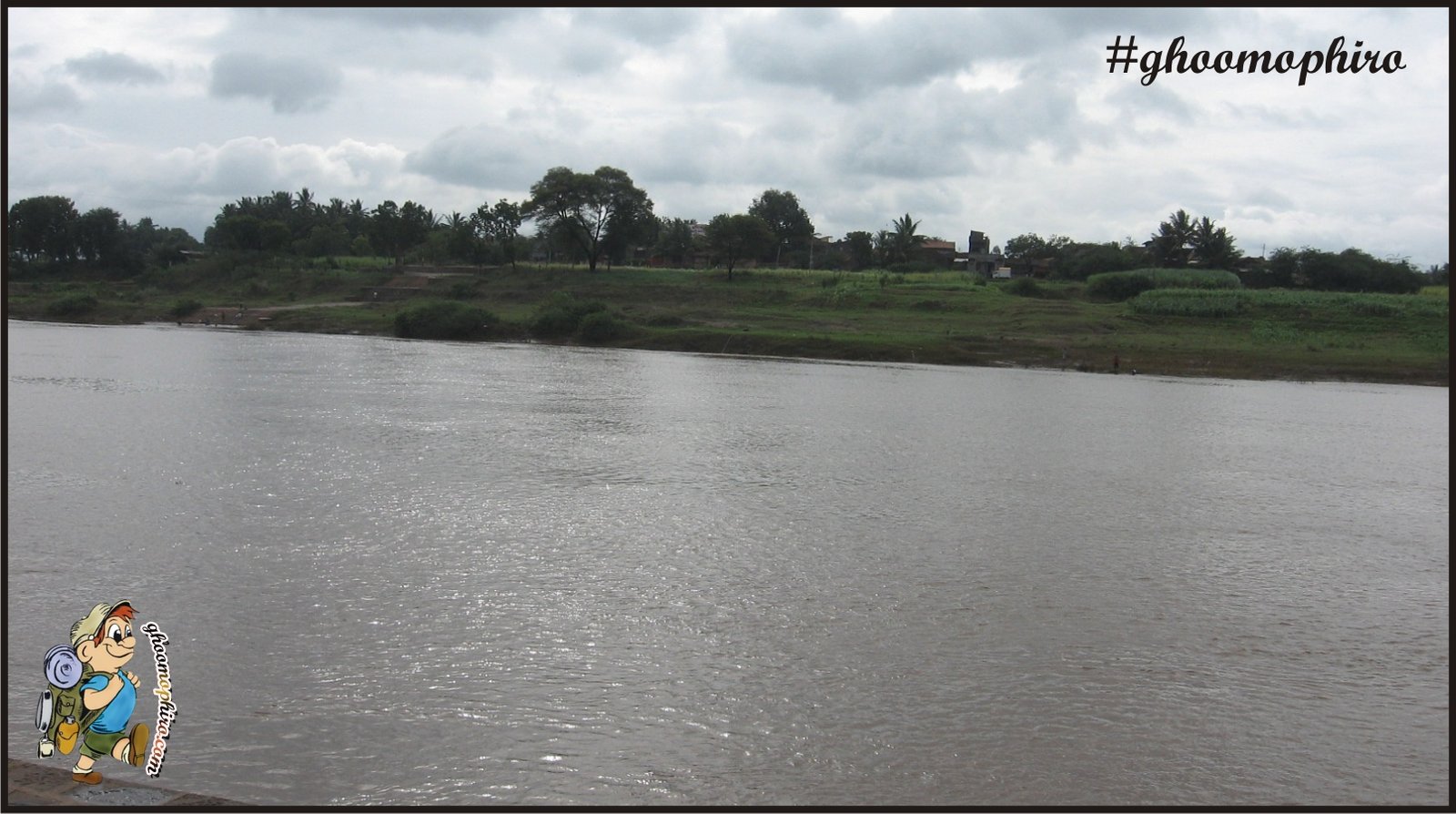
Behind the Panchganga temple is the Krishnabai temple where the Krishna River gets worshiped, one of the seven rivers that emerge out of Panchganga. The temple was built in the year 1888 by the ruler of Ratnagiri on the Konkan coast. There is a beautiful Krishna statue in the premises along with a very old and beautiful Shiv Linga.

Vena Lake and the elephant point are two more places which you can visit in case you still have the time left before the sun goes down. The elephant point is also known as the needle point. The name was given to it because it has two massive rocks with a hole in the middle. Thus, the needle point.

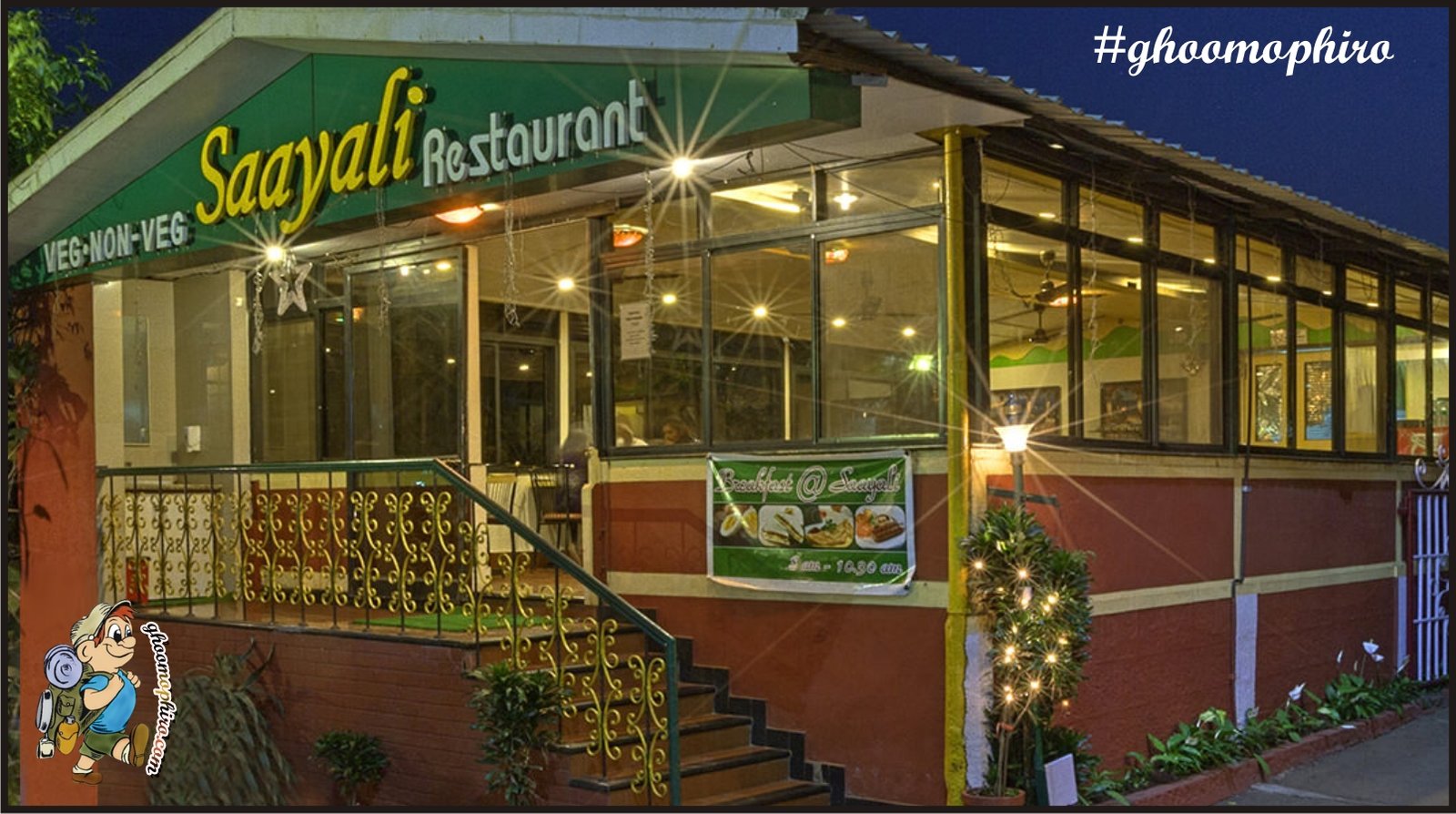
You can relish some of the most delicious cuisines from all over the country. Some of the best restaurants in Mahabaleshwar one should visit are Mapro, The Grapevine, The Olive Garden, Saayali Restaurant, Little Italy, Sizzler Place and much more. It’s a kind of food paradise visiting these places.

How to reach there

The city is located at about a distance of 250 kilometers from the state capital of Mumbai and the railways are the roads are well connected to ensure a safe and sound journey to the place. The nearest airport to the place is the Mumbai international airport.

Mahabaleshwar happens to be a very ancient city, full of many old temples and monuments that remind one of the eccentric cultures and histories the city once had. Many different rulers, especially the Marathas, have given the city a lot to cherish which, in the present times are the biggest attractions of the city.

Exit mobile version