Categories
Central India wildlife

Pench Tiger Reserve !! Experience in Mowgli Land

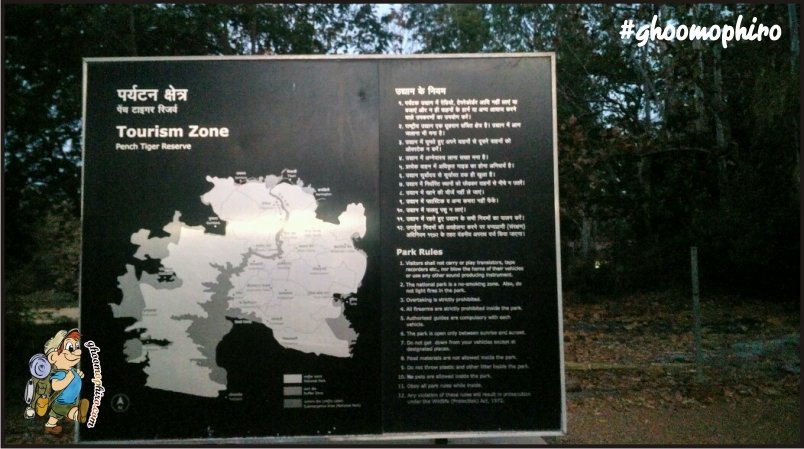
Madhya Pradesh is one state, which is endowed by inexplicable beautiful forests and thankfully government is working towards preserving this beautiful flora and fauna by maintaining National Parks. Pench Tiger Reserve is one such initiative that extends the borders of Maharastra.  Pench Tiger Reserve is spread over Seoni and Chhindwara districts of Madhya Pradesh and Nagpur district of Maharashtra. Not to miss, this is the original Mowgli Land, as Rudyard Kipling Jungle Book found its inspiration from the place.

Pench Tiger Reserve, Madhya Pradesh comprises of core area of 411.33 sq. km. with buffer zone of 768.30 sq. km. Total protected area is 1179.63 sq. km. Core area also includes Mowgli Pench Wildlife Sanctuary. (118.30 sq. km.)

How to reach Pench

Rail: Board the train till Chhindwara or Jabalpur. From there you can hire a cab till Pench, which is an approximate distance of 190km from Chhindwara and Jabalpur. Another option is to board the train till Nagpur and hire a taxi ahead.

Air: Nagpur is the nearest airport connected to all metros by regular flights. It’s approximately 145 km from Pench that can be covered in a three/four-hour drive.

Road: Pench Tiger Reserve is located on the Nagpur-Jabalpur Highway. You can go by road from Jabalpur or Nagpur and reach Pench in three to four hours. Another option is to go via Bhopal which is approximately 500 km from Pench or Kanha. Nearest bus stand to Pench is Khawasa or Seoni and hourly buses are available from Nagpur.

Best Season to Visit Pench

Park remained opened for visitors from October till June, but post monsoon i.e around August to October, you may witness the myriads colors of nature, as the park is plush green and looks phenomenally beautiful. However, for tiger sightings, May-June is better, as this wild cats usually come out of their dens to the water holes to drink water.
Where to stay

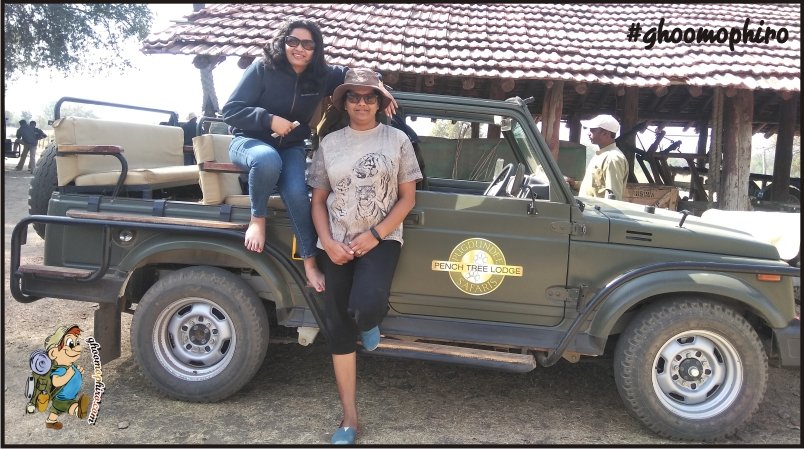
Though you will find several budgets to luxurious hotels near Turia gate, but our recommendation would be to stay at Pench Tree Lodge, operated by Pugdundee Safaris. Starting from staff to the logistics, place is just perfect!!

Wildlife Safari

You may book your safaris from mponline.gov.in or can ask your hotel people to get this done for. Most of the resorts can help you in booking. There are usually two jungle safaris. The morning safari starts at 6 AM till 11 AM while evening starts at 2:30 PM. There are three gates. We went through Karmajhiri gate.

Like all the other parks of M.P., Pench too allows a total number of eight people in a jeep, out of which six are tourists and the other two are the guide and the driver. But you can also book solo jeep for yourself by paying extra.

Flora and Fauna

With a learned naturalist, you can actually explore the national park from depth as they are aware of who’s who of the parks. Pench National Park is endowed with rich flora and fauna. Myriads of birds such as Grey-headed Fishing Eagle, White-eyed Buzzard, Malabar Pied Hornbill, Osprey, Black-Hooded Oriole, Sirkeer Malkoha, Grey Nightjar, Indian Scimitar Babbler, Scaly-Breasted Munia, Jungle Owlet, Common Hawk Cuckoo, Brown Fish Owl, Short Toed Snake Eagle, Yellow Footed Green Pigeon, Racket Tailed Drongo, Crested Treeswift, Jungle Babbler, varieties of Parakeet.. In addition to these, you can spot migratory birds are Indian Pitta, Red Throated Fly Catcher, Orange Headed Ground Thrush, Jacobin Cuckoo, Grey Headed Canary Fly Catcher.
Animals such as the Tiger, Leopards, Common Giant Flying Squirrel, Dhole, Gaur, Barking Deer, Monitor Lizard, Indian Rock Python, Rusty-spotted Cat, Jungle Cat, Small Indian Civet, Asian Palm Civet, Ruddy Mongoose, Porcupine, Bengal Fox, Indian Jackal, Sambhar Deer, Striped Hyena, Sloth Bear can be spotted.

Travel Tips

  • Jungle Safaris bookings should be done in advance, as seats are limited.
  • It is mandatory to carry ID cards for safaris. The ID needs to be the same as the one with which you booked your safari.
  • Carry binoculars to spot the birds and animals in the park.
  • Wear comfortable clothing. Do not miss to put sunscreen, as it gets really hot during Safari time.
  • Carry proper woolens in winters and an effective sunscreen in summers.
  • Only Idea and BSNL works at Pench, so pl communicate accordingly to your near and dear ones.
  • Try to be silent and not to over react as you spot anything, as it disturb their peace and they run away

Last but not least, do not get disheartened if you could not spot a wildcat, as these parks are much beyond wild cat chase. Instead, these jungle safaris are more about getting closer to nature, learning about wildlife habitat.
Categories
Central India Corporate Outings wildlife

Photo Blog : Pench Tiger Reserve

Wondering what this dense Pench Tiger Reserve consists of!! Explore it through the lens of  #ghoomophirosisters in this photo-blog. These beautiful National Parks are not just to spot the big cat, there is much more in them beyond the royal tigers..and this is exactly what we have tried to capture!! We were accompanied by talented naturalist Sagar, Pugdundee Safaris  who enhanced our knowledge about wildlife and share lot of smallest facts around them.

Karmajhiri entry gate. This is the place from where you get passes for the entry to the park. A government guide also accompanies you. There are three gates and Turia is the most congested one, as most if the resorts and hotels are situated there. Only 6-7 jeeps you will find at Karmajhiri.

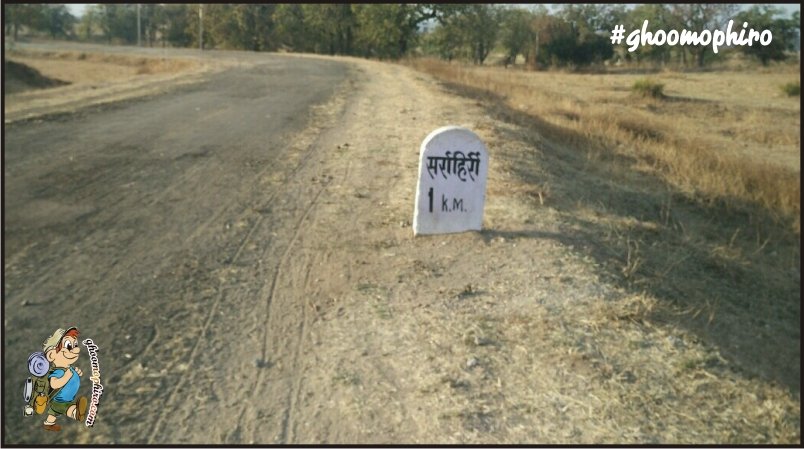
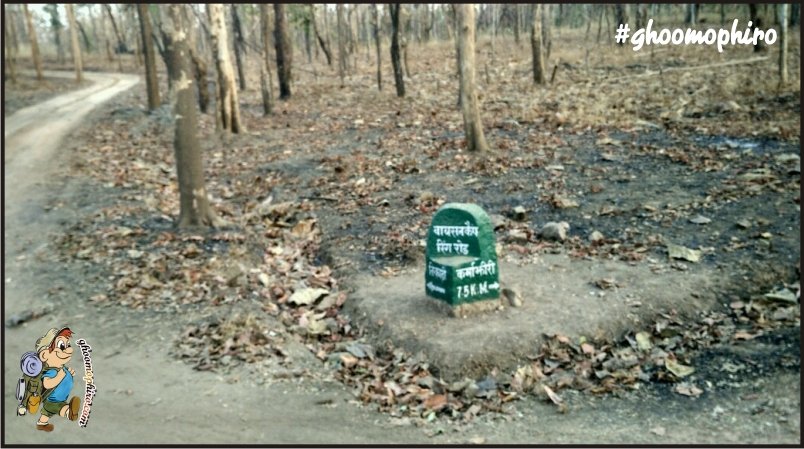
Inside Jungle, milestones to guide the way through.

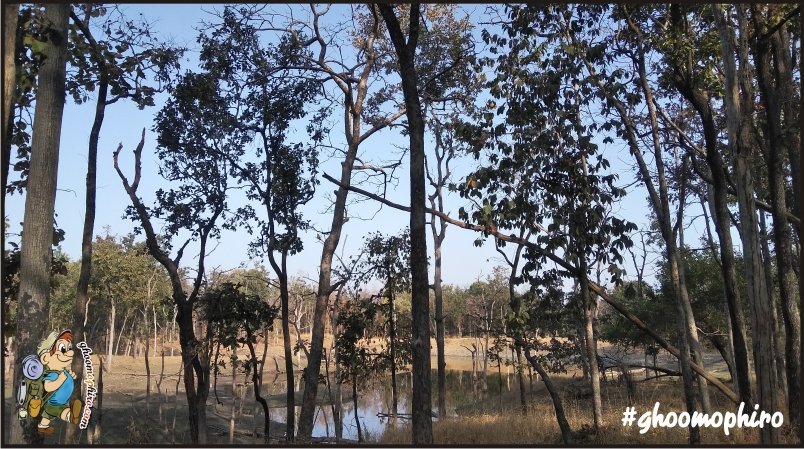
Waterholes; You can find several waterholes in the jungles. These are happy spots for both naturalists and animals. Former wait for the later to come to drink water.

As #ghoomophirosisters took a small break for breakfast inside the jungle.

Trying hands to drive through the jungles

Lucky to find the pack of 7 wild dogs, which are rare..Guess they were partying;)

Night jar on the road!! Look at the way, it has camoflagued himself..

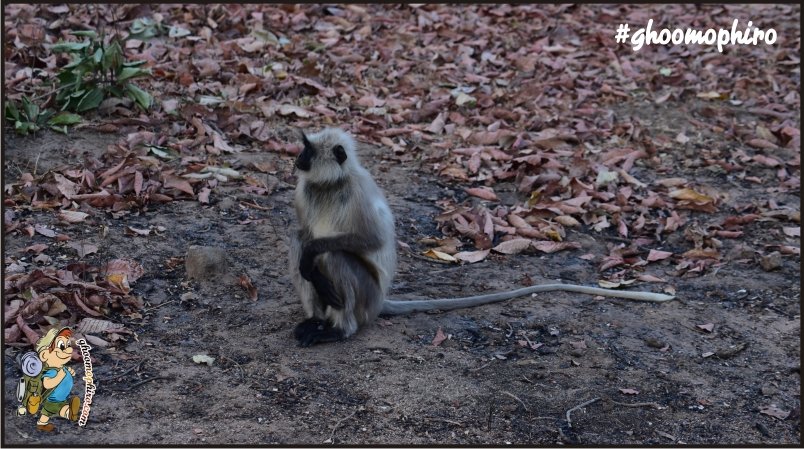
Langurs are something, you would definitely find in abundance in Pench

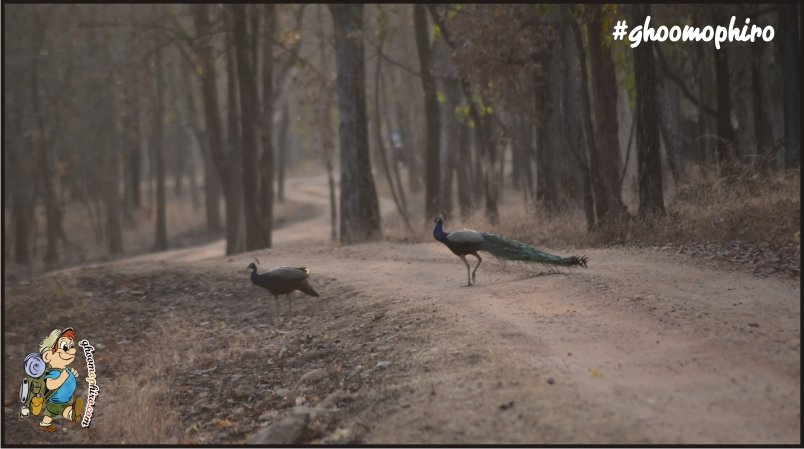
Ahh!! this was sweet one; Peacock running after peahen to woo her:-)

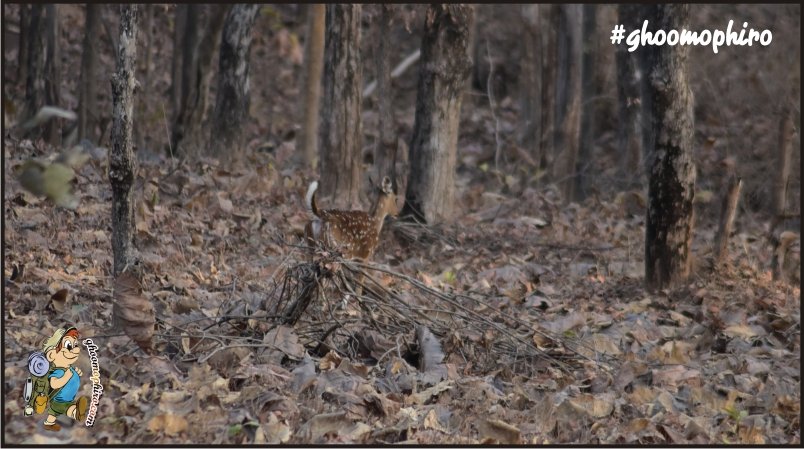
Deers!! Ah, you definitely can expect them in great numbers to maintaing the nature balance.

So what are you waiting for, we are sure pictures would have motivated you to pack your bags and get your bookings done.

Categories
Central India Culture

Cycling through the beautiful Sarrahiri Village

Early this year in March,  we #ghoomophirosisters were lucky to visit a small village in Madhya Pradesh called Sarrahiri. Thanks to Pugdundee Safaris to conduct this amazing walk for us. We happened to stay at Pench Tree Lodge, from where as part of their day activity went for a quick cycle ride to this neighborhood village. We started quite early in the morning and were overwhelmed with the open area on our both sides. As we proceeded, we saw villagers involved in their day to today activities. They were quite shy, but happy to interact and let us know more about their culture. The following photo blog is a short glimpse of what we could capture from our camera about the place.

It was just a km away from Pench Tree Lodge.

#ghoomophirosisters rode a cycle to the village early morning!!

By the road-side!!

Typical mornings in the village..Low slanting roofs and all huts are in blue-white colors.

Villagers busy in their day to day stuff.

Religious tree. It is assumed “Kuldevi of village” resides here.

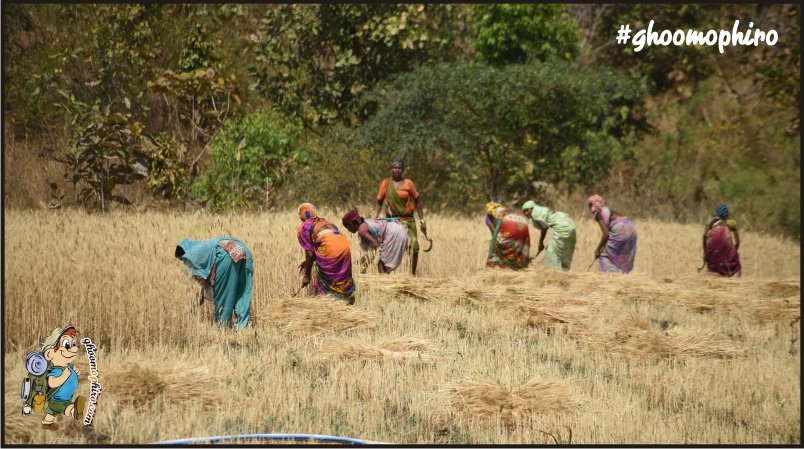
Women working in Wheat fields.

Scare Crow Inside the fields!!

Another Temple at the end of the village!!

Categories
Architectural Corporate Outings North-West India Western Ghats Western India

Urban legends of Pavagadh Hill

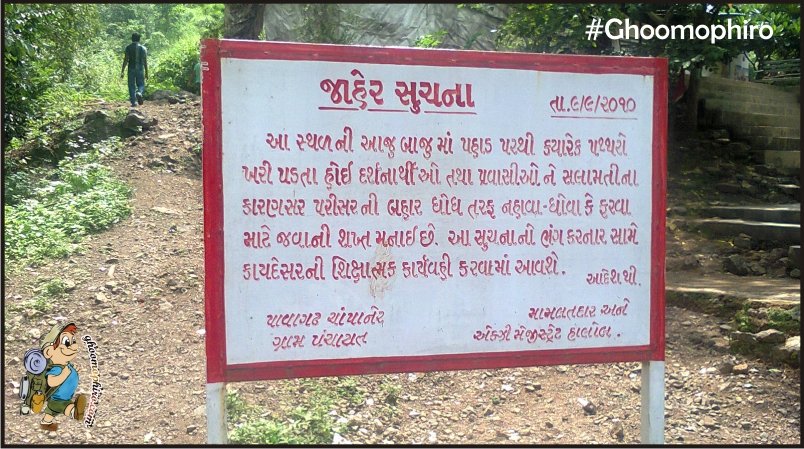
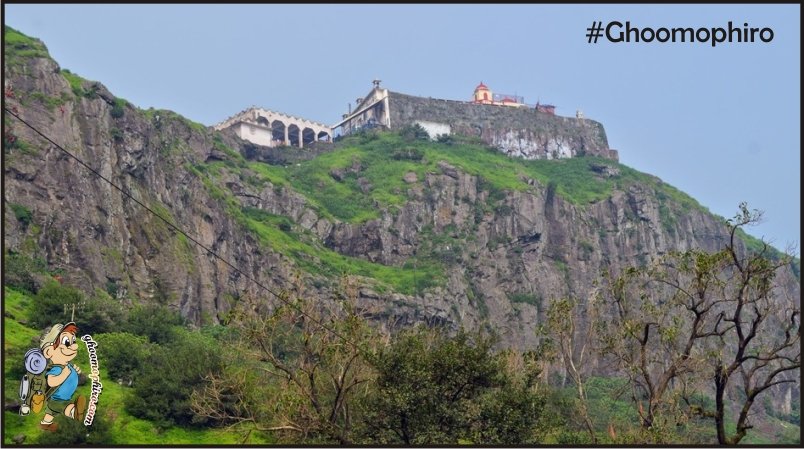
Such a historical hill that lives up to its name of “Fire Hill” as it ignites a fire within your skin. Sudden plans to visit the hill were made and we reached Champaner by bus. It was a 45-kilometer long ride from Vadodara but with good music to keep us company, the time went by before any of us noticed.

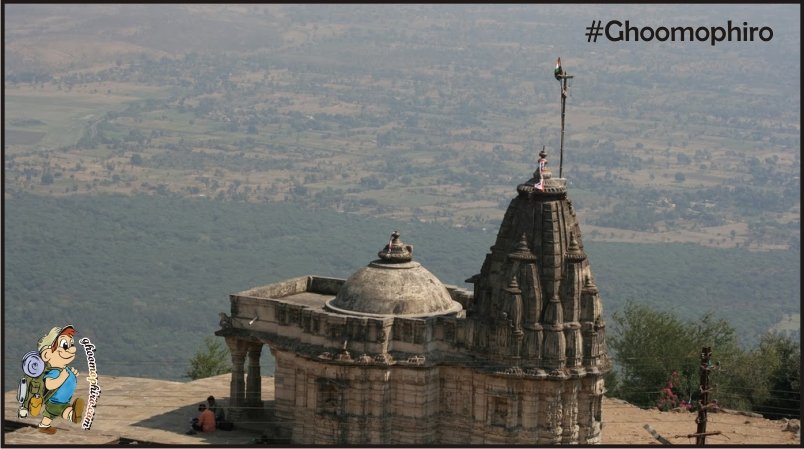
This hill has great significance as most Hindus know the story of how Parvati’s foot fell on this hill making it sacred. The Kalika temple on top of the hill has been visited by devotees since ages. Reaching the temple is no hard task. Public buses take you until the end of the road from where we started hiking up. Midway, when none of us could walk more, we took the cable ropeway which took us straight to the top. The sights from above the hill were just as majestic as the temple itself. We got to know from the locals nearby that every once in a while a fair is held at the temple and thousands of devotees come there. The pilgrim site was, fortunately, less crowded by the time we visited. The temple is open even at odd hours to accommodate people who have come from far for pilgrimage. We saw the temple and had darshan of Goddess Kali. There was also a Muslim shrine to a Sufi saint Sadan Shah Pir there.

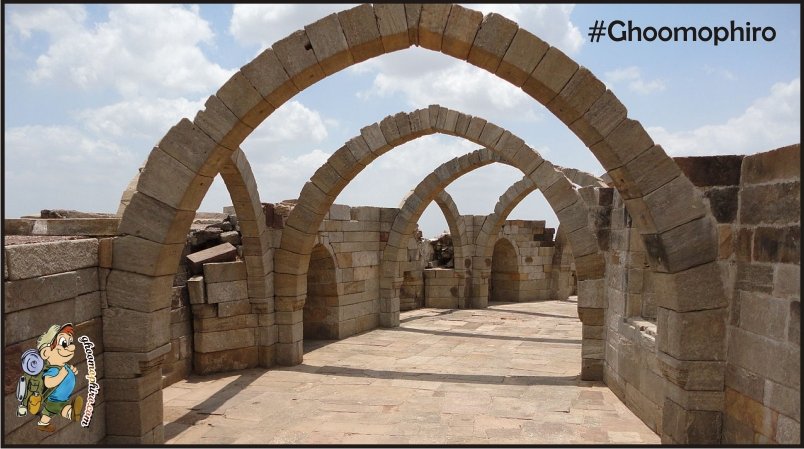
We stayed at the Machi Haveli for the night after visiting the temple and some remains of Raval palace are still there even though it has been modified into a guest house for travellers. The next day we went out to explore the hill. The hill has different plateaus, the Kalika Mata plateau and Machi plateau which we had already seen and adored. Then there were also Mauliya Plateau, Bhadrakali Plateau, and Atak plateau.

We saw Teliya Talav and Dudiya Talav. The story behind the Dudiya Talav is that sage Vishwamitra had a cow that would speak and yield lots of milk. This cow was called Kamdhenu and one day it fell into the valley while grazing. It tried to get back up but couldn’t. Finally, she produced so much milk that it filled the valley and she swam to top. The sage prayed to the gods so that no cow would ever fall into the valley again and gods made a hill appear there. Well, it is just an urban legend.

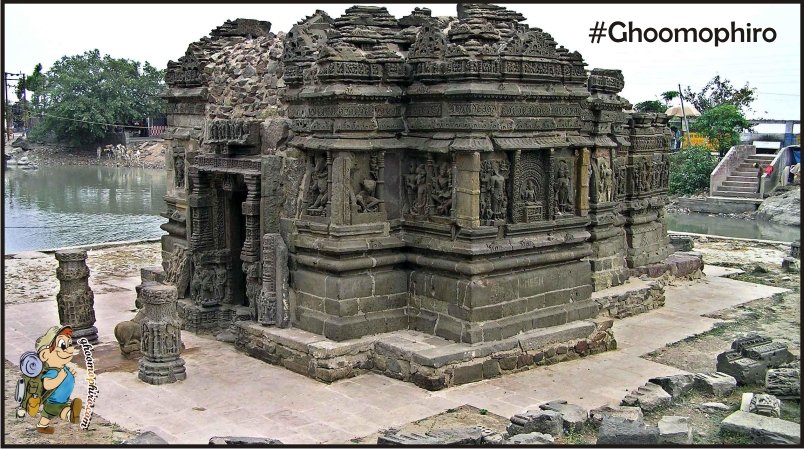
We moved on to our next stop where we saw some beautifully constructed Jain temples carved from white stone which gave it a marvellous architectural charm. It was unbelievable to think that those temples dated back to the 14th-15th century. There were beautiful stone images inside of Tirthankaras. Within its vicinity, there is also a tall statue of God Bahubali which is almost 30ft in height. The entire place is splendid in its beauty and holy in ambience. There was also a Jain restaurant, gardens and Dharamshala nearby. We stopped there for some food and it turned out delicious. After wandering around the premises for some more time, we started clicking pictures and finding other places to see around there.

During our journey back home, we stopped at the foot of Pavagadh to visit ‘Vada Talabh’ and Kabootar khaana and then finally relaxed at a beautiful garden called ‘Virasat Van’. It was a serene atmosphere and the sights were beautiful. This experience gave us unforgettable memories of our trip to Pavgadh. Even now we have those visions behind our eyes and can feel the cool breeze upon my skin.

Categories
Culture Historical North India

Ropar- A Historical Treasure

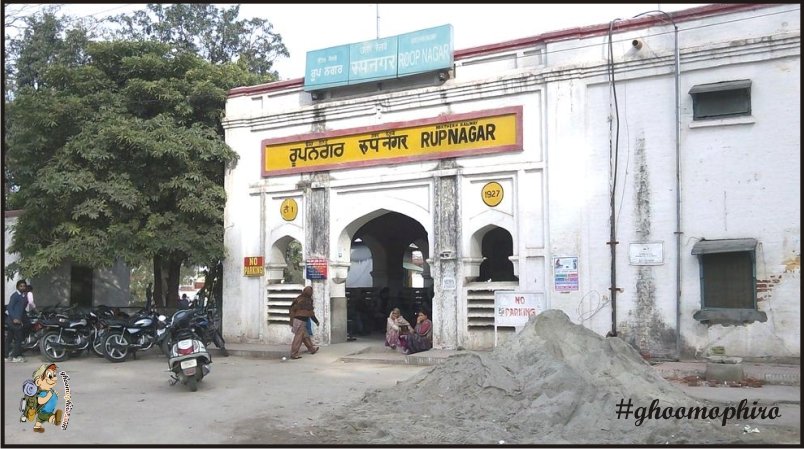
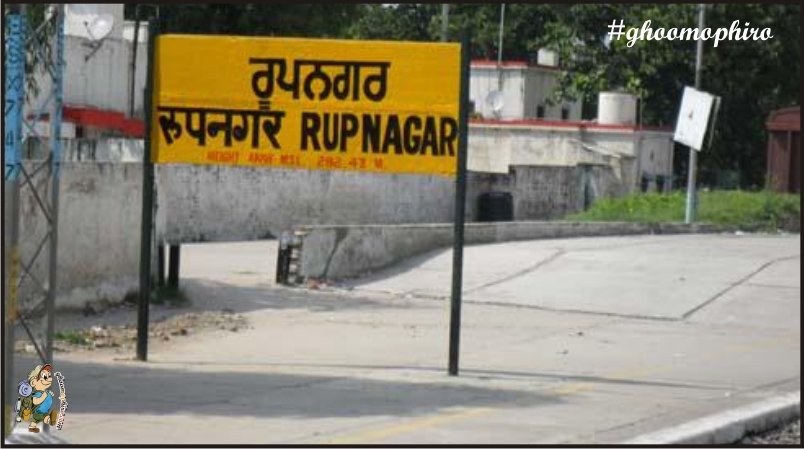
Lately, Punjab has been working on its tourism and the small town of Ropar (Rupnagar) which was previously unheard of is now a good place for history explorers and nature lovers to spend their time. We reached Ropar by bus from Delhi and it took approximately 6 hours. While we expected Ropar to be a rural slum with no facilities or good hotels whatsoever, the small town surprised us with its unexpectedly good hospitality. We stayed at Hotel City Heart and the facilities were well.

Recent excavations show that the Harappan and Mohenjo-Daro civilization lived prosperously in Ropar and there was also an inscription by Shah Jahan that was discovered in this wetland. So to satisfy our curious mind, we started the history trail at Archaeological museum of Ropar. All the extracted artifacts are displayed there in the form of pottery items, beads, jewelry, toys and Terracotta figurines. It is known that this area belonged to the Indus Valley civilization and the river Sutlej was used in their river system. But this takes you to the history of mankind, if you wish to know more about the history about Sikhism, then this next place we visited is for you.

Virasat-E-Khalsa and Anandpur Sahib were locations that mixed history with sacredness. They told the history of how Sikh religion was formed through pictures and tales. It was a clean and well-organised place and the building in itself was stunning. Then we got to see the cultural section and it varied from the popular festivals of Punjab to daily lives around Gurudwara. Then we see the real history of Sikhism along with the history of Gurus. The story is told by a recorded narrative that is a unique sensation in itself and a great way to learn about history.

We wandered around soaking in all the information and the beauty of the place for three hours and then stopped to relax at a Cafe nearby. We decided to skip ordering food in a restaurant and instead ate langar at the nearby Gurudwara. After all, if you are in Punjab, trying Langar is a must.

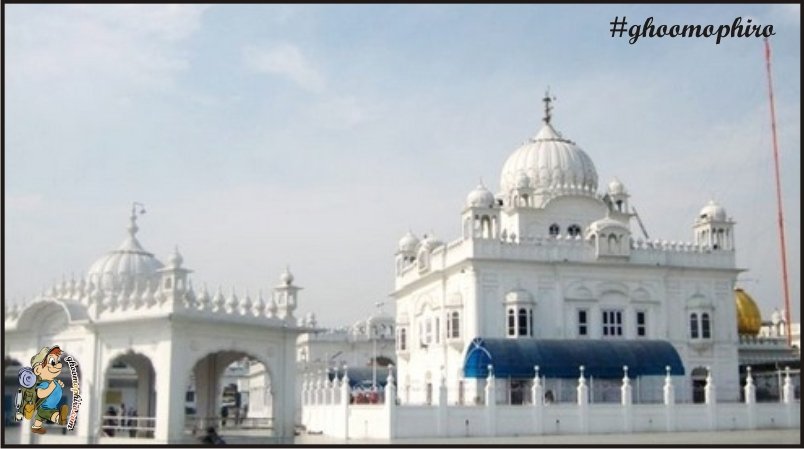
After knowing the history of the Gurus, we became curious about another place. Ropar which was Gurudwara Parivar Vichhora Sahib. Like the name says, this Gurudwara signifies a great separation. This was the place where Guru Gobind Sahib separated with his family and it was an emotional experience to be there. Though the Gurudwara itself was magnificent, it was the story that the place told that had me welled up.

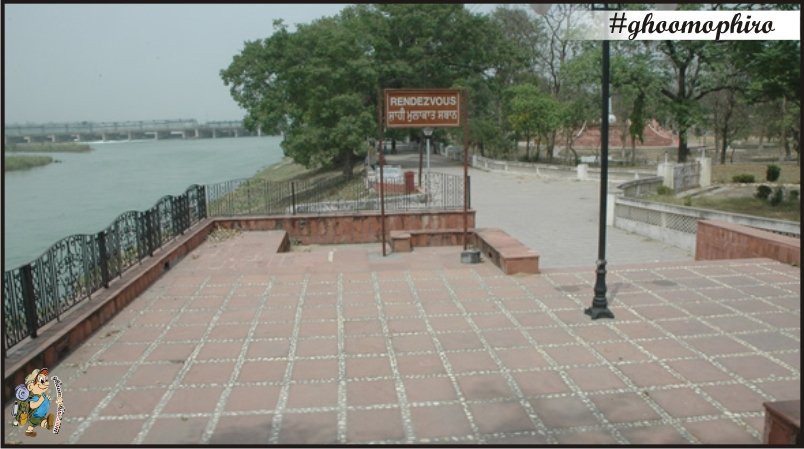
Then we visited the place of the treaty where Maharajah Ranjit Singh met British Viceroy to sign a treaty dividing the territories. The place is signified with a monument inside the park. The monument is fairly new and was probably not standing when the treaty was actually signed but it does mark an important chapter in the history of Punjab which makes it a place worthy of a visit. Moreover, the park is beautiful.

After we had had enough of historical visitations, we wandered on to the Sadabrat nature trail which is a wetland area and we found beautiful trees and bird there. We saw fruit bats hanging upside down from trees and there was such an abundance of these bats. There were also a few herbal trees around along with Datura tree.

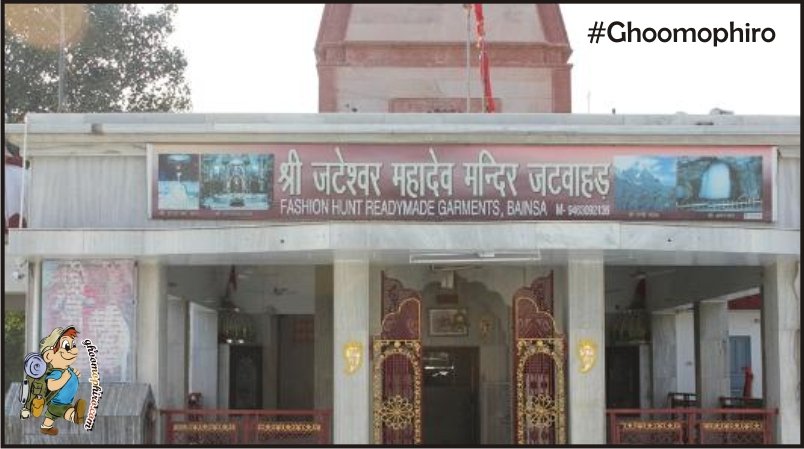
Some other places we saw were Jateshwar Mahadev temple and Gurudwara Bhatta Sahib. We were fairly impressed by what Ropar had to offer and how much it had developed. It is definitely one of the places to visit while in Punjab.

Categories
Architectural South India

The temple city Thanjavur

Located in the south Indian state of Tamil Nadu, Thanjavur exists. Also known as the temple city, it was formerly known as Tanjore. If we say that the city happens to be the center of all the religious, artistic and cultural activities in the southern part of the country, we won’t be exaggerating. The Tiruchirapalli airport is the nearest airport to the place at 50 kilometers distance and after that, a bus or a taxi can bring you here to the very important place in that particular part of the state. The season between November to February is the most pleasant one to have a visit at the place and out of the countless places that you can find here to spend some good times at, here are a few-

South zone culture center- The center was built in the city by the government of India in order to preserve the art and culture heritage of the country. The place is one of the biggest crowd pullers in the entire state and gives a great glimpse into the rich combined cultural landscape of Indian subcontinent. It serves also as a great way to promote the Indian culture as foreigners also can be seen here in great numbers.

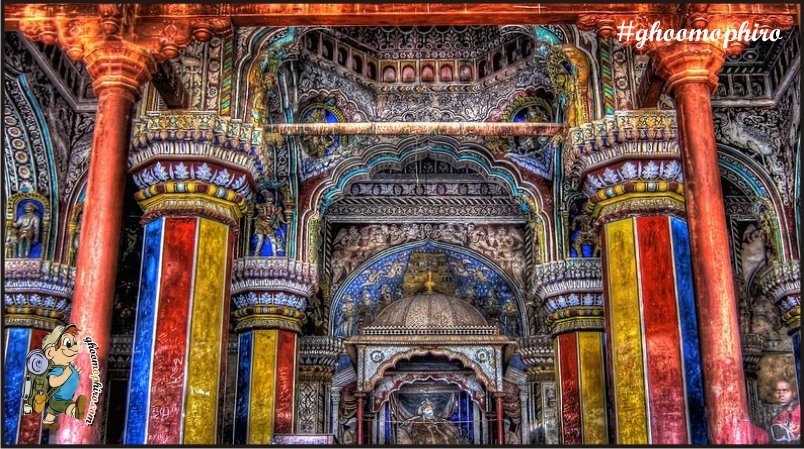
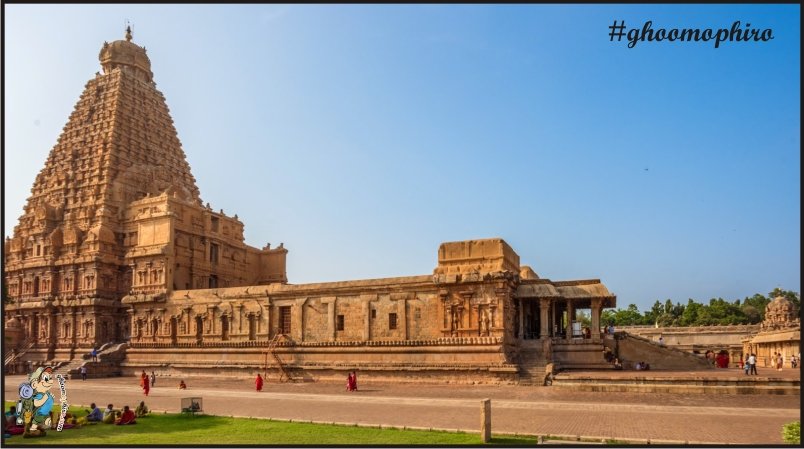
Brihadeeswarar Temple- Out of the many places that are among the favorites of the tourists, this temple gets the top spot. Built in the 11th century, even the most prolific of the architects have described it as a milestone in the history of monumental architecture. The Chola king Raja Raja Chola built it and the inner walls of the temples are covered in the paintings from the Chola and Nayak empires.

Thanjavur Maratha Palace- This was the official residence of the Bhonsle lordship who ruled the place for a few hundred years between the 16th and 18th century. It was initially the residence of the Nayak dynasty kings but after their fall, the Thanjavur Marathas got the hold of it and got it as their residence during the whole time they ruled over the place.

Saraswathi Mahal Library- The library was built and established in about 1700 AD and is located in the Maratha Palace itself. It holds the ancient scriptures from the legendary Indian and the international scholars. It was known in its time as a great source of knowledge about the world and now it serves as a very important tourist spot in Thanjavur.

Schwartz Church- The beautiful church was built in the latter half of the 18th century and presents some medieval era architecture brilliance in front of the world. Serfoji 2 built the church in order to show his affection for C.V. Schwartz who belonged to the Danish mission.

One can visit the Sathar restaurant, one of the oldest and favorite non-vegetarian restaurants in Thanjavur and an iconic place with authentic taste. Sree Ariya Bhavan in Thanjavur serves great tasting rava masala dosa, rava onion dosa, and coffee. It’s an amazing veg restaurant with a variety of cuisines.

When the rest of the country suffers the dreaded winter, the weather in Thanjavur is excellent and is the perfect time for having a visit to the place. As a country, India is culturally significant to the whole wide world and as a city; Thanjavur keeps alive the spirit of art and culture of India.

Categories
North-West India Relax

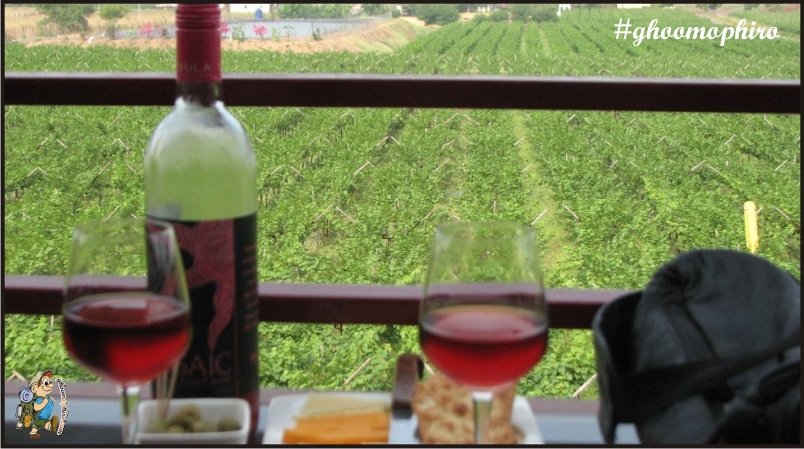
Wine Lover’s heaven- Sula vineyards

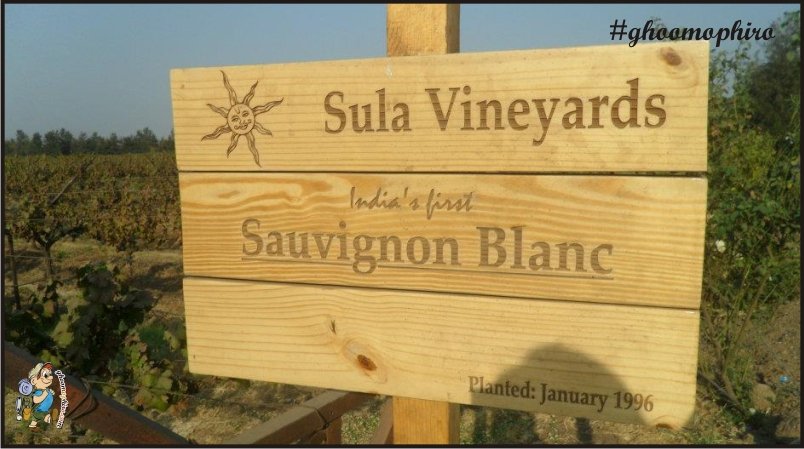
If you are one of those people who are hopelessly in love with wines, there is very less chance that you haven’t heard of Sula wine yards. Well, it’s okay for those who didn’t! Sula wine yard is located in the western Indian state of Maharashtra near the financial capital of the country, Mumbai. The land is magnetic with the grape wines spread across the massive fields, the churning sound coming straight out of the wine factory, and it’s calming to the senses. A 4-hour drive from Chembur would bring you here as you gear up to explore the most famous wine yard in the country.

The day would easily be spent tasting different wines, getting to know about how to make it and there is a restaurant that serves some delicious cuisines. Nearby the main building there is a restaurant that goes by the name Little Italy which serves some great Italian food to the visitors which goes perfectly well with the freshly brewed wine. However, in case you aren’t interested in the wines at all, there are ample of things for you to do here as well. For one, you can visit the sights around the place, its Nasik at its beautiful best. The wine yard also happens to have an amphitheater and an open garden which offers a great opportunity to spend some quality time at a picnic with your loved ones.

Sula wine yards are a large establishment that covers a total area of 30 acres. The grape fields are here in abundance and greet you as you first enter the place. In between the fields is the road to walk upon which leads you directly to the factory where the wine gets manufactured. The beautiful aroma in the climate gives you a soothing feeling and you feel all relaxed after the tiring journey on your way here.

You have to buy the tickets in order to be able to see the actual working space of the wine makers. There is also a rooftop restaurant right there where you can eat something and relax before starting the trip. The cheese sandwich along with their very famous barrelled red wine was a great experience and you should have one before you go further. The wooden flavor coming from the wine makes you wonder if you could ever get the freshness and taste in the bottled wines that we all have become accustomed to.

You can also visit the wine tasting hall where you could meet the fellow wine enthusiasts and share your experiences with all the different wines that you have tasted over the years. The charge for wine tasting is 150 rupees per person. The souvenir shop nearby will let you buy all the different wines that are manufactured there. There will be a guide who will accompany you and tell you how the company got started and all.

For the wine lovers and nondrinkers alike, the place is wonderful to spend 24 hours at. Don’t forget to make a stop here for your next trip to Maharashtra.
Categories
Adventure Itinerary North India

How you can spend a day being at Leh!!

The dream of almost every other travel fanatic in the country, Leh is a snow-capped region in the north most part of the country. Brimming with the great Himalayan range as its backdrop, Leh is a dreamland having some most astonishing visuals one can have.
How to reach
Shimla and Manali are two entry points where the access to Leh becomes easy. Although the Srinagar airport is the nearest to the place, so a road trip from Srinagar to Leh (434 Km) is advised to be the safest medium of approaching the place. One can hire the taxi as well as take the state government bus to reach there. Those who prefer to reach here by flight can go for Indian Airlines which operates 3 flights in a week between Leh and Delhi and Jet Airways which operates six flights in a week between Leh-Delhi.
Best season so visit
While rest of the country is facing the hard blows of heat waves, it is the best time to have a trip to Leh. The months between May to September are considered the best.
Sightseeing
Leh being one of the dearest tourist destinations in the country offers some great sights one can have the good fortune of visiting. A few of them have been mentioned below.
Leh main bazaar– The best place for the tourists and the locals where they could shop is Leh main bazaar. One can gather woolen clothes, accessories and other souvenirs from the market which also happens to have some stalls of delicious local cuisines.


The Khar– Since the early parts of the 17th century; this magnificent monument named the Khar has been the best landmark in Leh. Missing the visit to the Khar is something you might regret later on.
Shanti Stupa– Built on a decent hilltop in the Changspa region of Leh, the most popular monument in the entire region came into existence in the year 1991. The entire Leh town is somehow visible in a panoramic view from the altitude of 14k feet.


Hall of fame– The museum like settlement will fill the heart of the patriotic Indians with a feeling of immense pride and joy as the settlement basically, honors the Indian soldiers who died in the notorious Kargil war.


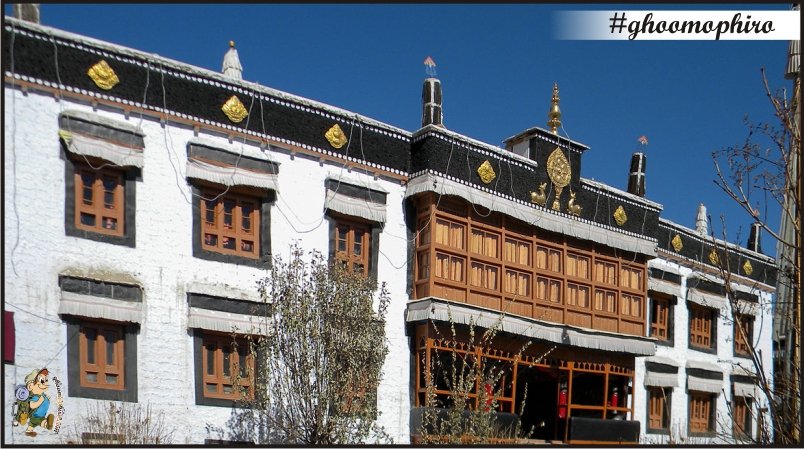
Sankar Monastery– The very popular monastery is a few minutes away from Leh and given the fact that it only allows visitations from the tourists in evenings and mornings, a brisk walk to it is advisable.


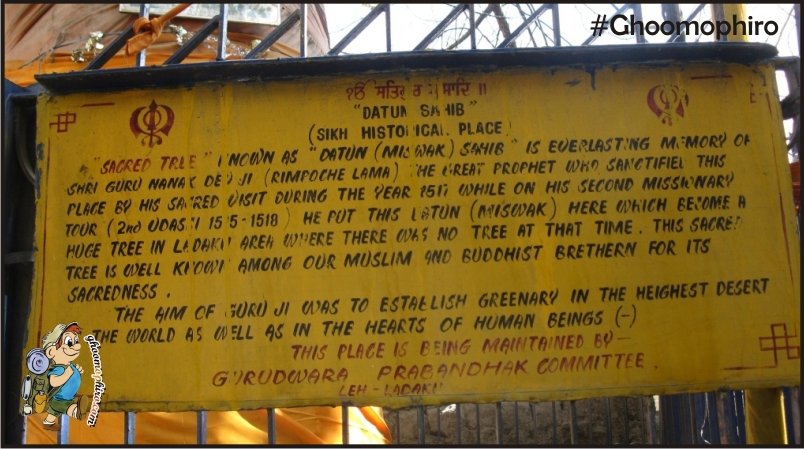
Datum Sahib– Datun Sahib is a meswak tree is located right behind the Jama masjid situated in the Leh main bazaar. The tree is said to have been planted by none other than Shri Guru Nanak sahib Ji and holds a great significance to the religious people of Leh.


Sindhu Ghat– Soothing and calm place where you can sit down on the banks of the Indus River amidst the beautiful surroundings and thank the gods for making you visit the place. The place is ideal for some lazy and calm picnics away from the rustle and chaos of the main city.
Although Leh is quite cold a place and won’t suit everybody, but there is no denying the fact that this place is what they call- The dream of a mad traveler coming to life.

Categories
Architectural Corporate Outings North-West India

The story behind the deep, dark and fascinating Ajanta and Ellora Caves

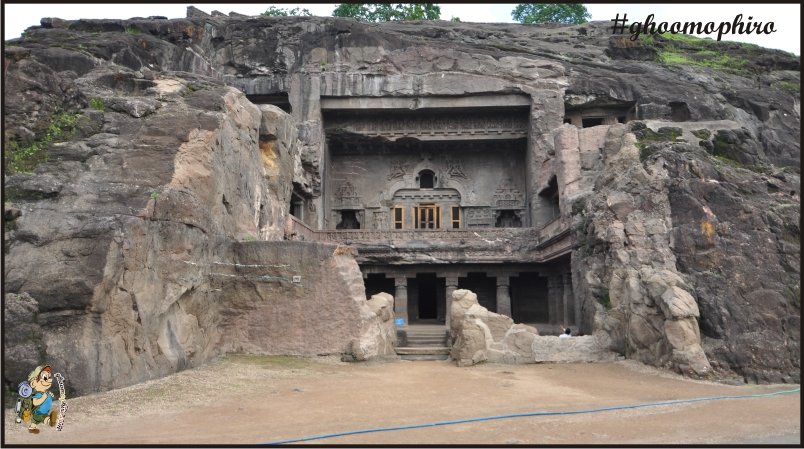
Artistically carved inside a hillside huge rock, stands this amazing reminiscent of how amazing the hard work and talent can turn out to be. There are about 34 caves in Ajanta and about 29 of them in Ellora and together they constitute one of the world’s greatest wonders. The caves at Ajanta are mainly Buddhist when it comes to religious significance, while the caves at Ellora are a decent mixture of Buddhist, Hindu, and Jain beliefs. They have made a secure place in the list of UNESCO world heritage sites.

How to reach

The railway is the best way to reach Ajanta and Ellora caves. Aurangabad is the nearest station to the Ellora caves at about 45 minutes away while Jalgaon station makes it to the Ajanta caves as the nearest and it takes about half an hour to reach there. It’s best to hire a taxi or a cab to reach the caves from the railway stations.

Those who prefer to reach here by flight should note that Aurangabad can be reached directly from Delhi, Mumbai, Jaipur and Udaipur airports. The place is about 99 km from Ajanta and 30 km from Ellora.

What to expect

The most brilliant and surprising thing about the caves is that they are totally manmade. No equipment was used in their formation, the manpower and a hammer and a chisel were the only things that were involved in the making. The Ajanta caves are slightly more artistic in nature than Ellora caves as they feature some rich paintings and sculpture while the Ellora caves are known best for their architectural significance.

Let’s begin with the sightseeing.

The Ajanta Caves

The Ajanta caves are series of 29 Buddhist cave temples, some of which date from the 2nd century BC.  The walls inside the Ajanta caves give a great glimpse of the different phases of the life of Buddha and other Buddhist divinities through sculpture and paintings. Out of the most interesting tales that the walls inside tells are the Jatak tales.

The Ellora Caves

The Ellora caves are known for their amalgam of Hinduism, Jainism and Buddhism emotions. The wall carvings depict the stories of Hindu mythology and feature some great artistic talents of the creators. The site features over 100 caves, of which 34, are allowed to be visited by the public.  These caves consist of 12 Buddhist caves, 17 Hindu caves, and 5 Jain caves, all of which present the respective deities and mythologies prevalent in the ancient times.

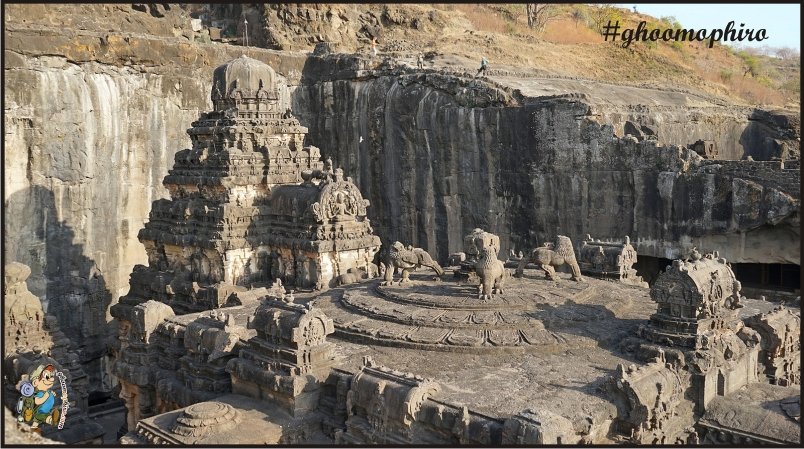
Kailasa Temple

It is one of the largest rock cut ancient Hindu temples located in Ellora. What makes the temple at Ellora so special is that is carved out of a single rock. Do not miss the incredible view of this temple, from the top of the rock; A little climb could get you to see massive scale of it all. However, bringing a torch to explore the caves is advisable as the lighting is quite poor inside.

Jain Caves, Ellora

There are in total 5 Jain caves at Ellora and that date back to the ninth and tenth century AD. The important ones are the Indra Sabha (cave 32), Chhota Kailash (cave 30) and the Jagannath Sabha (cave 33).

Where to stay

Hotel Kailas happens to be located right on the opposite side of Ellora caves. Ajanta T Junction guest house and Ajanta tourist resort are two places that cater the most of the tourists.

Time to visit

Although, a trip can be made any time a year but the time between November to March is considered to be the best for having a trip as the season is cool and dry.

Restaurants and Local Food

The cuisine of Aurangabad emanates the flavor of North India and Hyderabadi cuisine. Kailash Restaurant, Tandoor Restaurant, and Bar Bhoj Restaurant can be explored here.

Ajanta Ellora festival

Tourists planning to visit the Ajanta Ellora caves should not miss the three-day international festival, the Ajanta Ellora festival celebrated in the city of Aurangabad. The festival organized every year between the months of November and March is truly a treat to the senses. Various artists will be seen performing in this prestigious festival. A mixture of cultural competitions for children, youth women, and senior citizens are also planned on this occasion.

For those who love to travel the past and get an insight into the ancient India, Ajanta and Ellora caves by the river Waghora, are the best sites which bring the ancient India into the limelight

Categories
Culture North India Spiritual Hubs Travel Trends

Places for Ganga Aarti in India

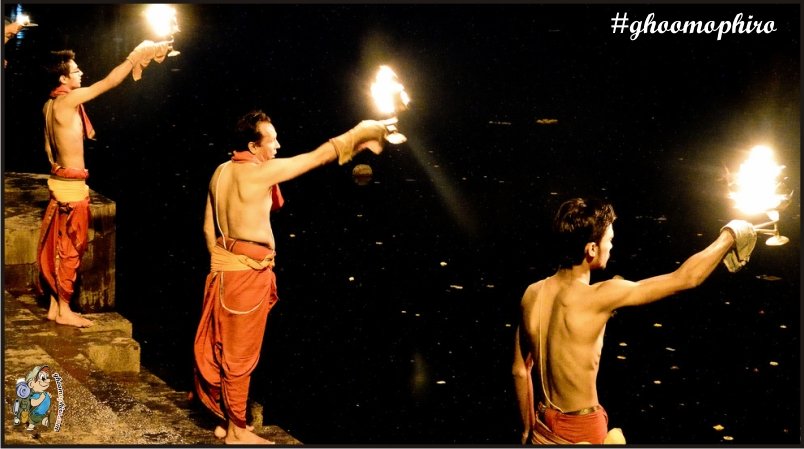
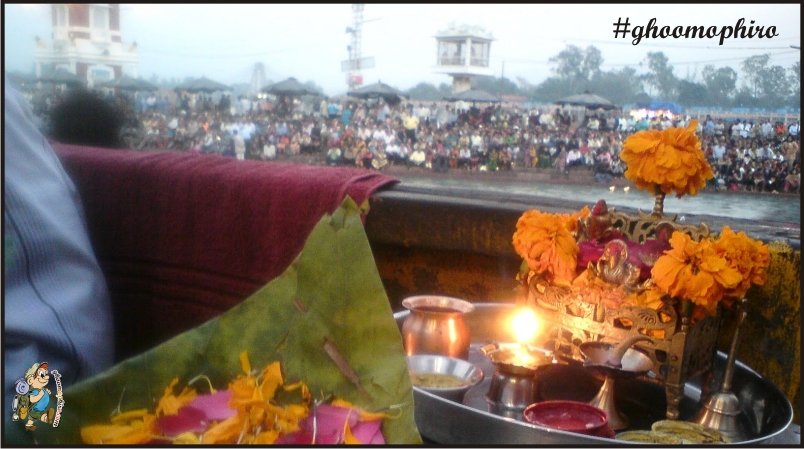
As the dusk descends upon the earth, a few holy cities in India get illuminated with the offerings made to the Holy River Ganges in form of a ritual known as Ganga Aarti. As pleasing as it to the senses, the ritual is highly spiritual and religiously significant to the Hindus. The fire is used as an offering to the Ganges and a small ‘diya’ gets floated in the river as the loud sound of traditional instruments makes the environment psychedelic. The timing for Ganga aartis varies upon the months. There are no fixed timings, but people usually start to gather at the spots as the sun goes down, so you better hurry before the sun goes down if you want to witness a great event.

Here are a few places where you must visit in order to experience the magnificence of the ritual.

Shri Ram Ghat, Ujjain, Madhya Pradesh- Located right at the bank of river Kshipra, Shri Ram Ghat happens to be one of the oldest bathing places for spiritual enlightenment in the state. People can be seen taking dips in the river in broad daylight, but once the sun starts going down on the horizon, the preparations for the aarti starts taking place. The priests in long robes and having bright lamps in their hands perform the exquisite Aarti as the time approaches.

Gandhi Ghat, Patna, Bihar- The aarti here takes place mostly over the weekends. The place is known for its golden sunrise, but as the sun starts going down deep in the west, the ghat becomes brimmed with the priests in saffron robes preparing for aarti. BTSC boats are made available for the tourists as they give great view of the ritual. The climate gets filled with the sweet smell of the incense sticks as the aarti commences and everyone watches it with their breaths held in.

Hari ki Pauri, Haridwar- Haridwar happens to be the ultimate pilgrim site for the Hindus, and among other things, the Ganga aarti performed here is the most sought after and grandest thing about the place. The extravagant event involves a lot of priests, tourists, babas, idols of many different gods, incense sticks, loud speakers, and flowers. Some may complain about it being way too noisy, but that’s where the charm lies.

Parmarth Niketan Ashram, Rishikesh- The aarti that takes place here in Rishikesh is one of the calmest and relaxing Ganga aarti, devoid of all the extravagance. The more spiritual tourists prefer this one among the rest of the country and for all the right reasons whatsoever. The ceremony begins with bhajans, religious songs, and a hawan before the offering is made to the Holy River silently.

Dasaswamedh Ghat, Varanasi- Near the Kashi Vishwanath temple, every evening, once the sun descents on the horizon, a highly choreographed aarti takes place. However, people usually complain that the high magnificence and extravagance takes away most of the spiritual meaning of the event but still, it remains one of the most crowd pleasing aarti in the country. The aarti is performed by a group of young priests, all saffron clad, singing loud hymns and bhajans while making the offering to the Holy River.

Sangam Aarti, Allahabad – Hindu devotees visiting from far and wide take a dip in the Ganges from this ghat and then starts the highly enthralling evening Ganga Arti. One can witness sighting of priests wearing colorful robes burning incense sticks and lighting bright lamps to worship the Ganga Mata. Hymns sung in the background settings create the ideal ambiance to captivate thousands of pilgrims all over the world.

The Hindu worship ritual, Ganga aarti holds all the charm to captivate visitors and nowadays has found its way into the travel itineraries of many. A tryst with the evening Ganga Aarti at these destinations can be defined as spirituality is at its spectacular best.

Exit mobile version