Categories
Architectural Central India Tribal

Village Walk to Crafty Pranpur

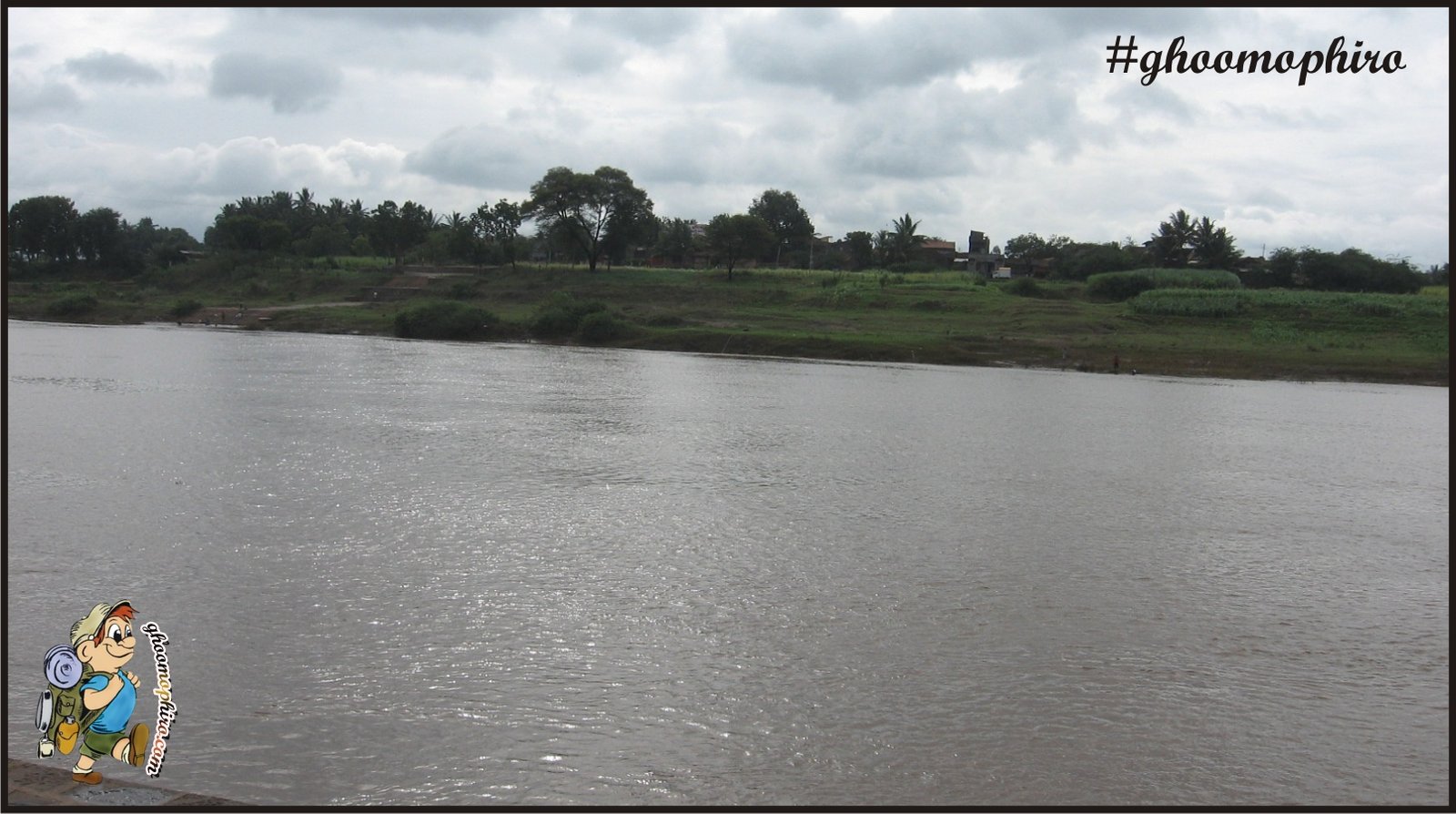
As we the #ghoomophiro sisters got to the heart of India in Madhya Pradesh, a beautiful clear water river flowing through a dam caught our eye. The sight of the Betwa river which is far off from any usual tourist spot gave us what we craved for. A good scenery and solitude.

We delighted in the absence of crowds as we strolled the village of Pranpur, occasionally striking up conversations with the locals who were still awe bound by the visit of stars from 3 idiots. The duo of Aamir Khan and his co-star had arrived unannounced in the village to promote their film and the impressions are still fresh in the mind of the villagers.
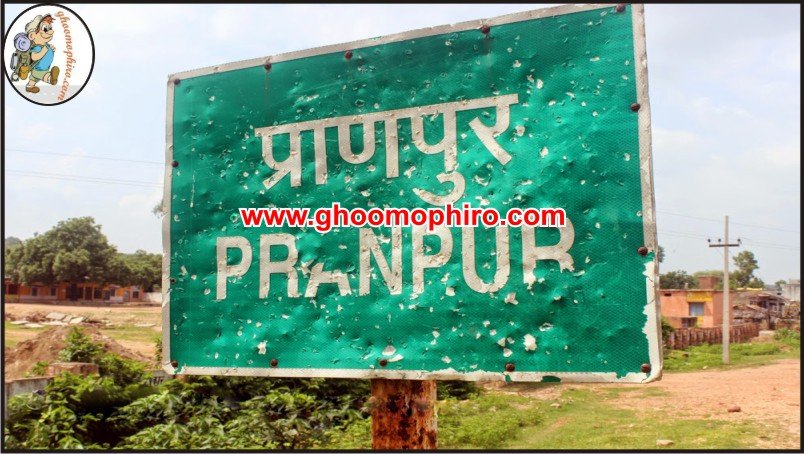
With the picture perfect view of the village, the humble hospitality of the locals, the click-clack sound that surrounded us as we passed by the weaver’s houses, there was no lack of charm in this place.

Not only is Pranpur a delight to watch, there are many talented artisans that exist here making Chanderi Sarees and other crafts. The Village even got a National Award in 2009 for Rural Tourism. Don’t expect any resorts or luxurious treatment because the place and its people are very down to earth. You will get to experience the traditional village lifestyle with strict vegetarian diets.

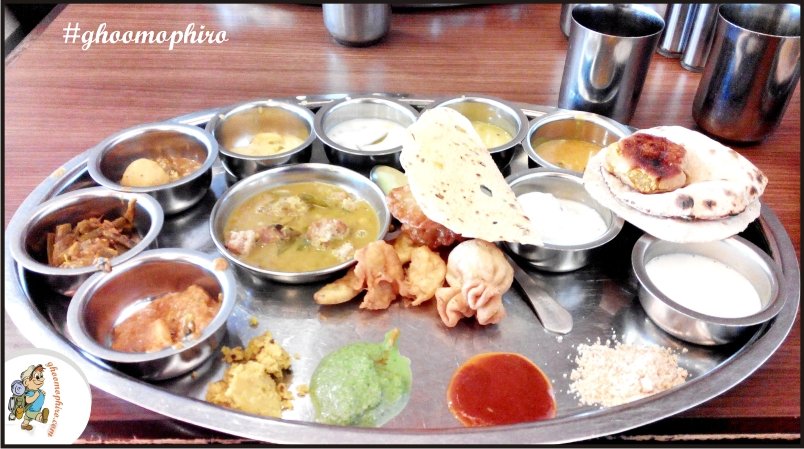
We got to meet the village elder who was a knowledgeable man with all sorts of information about pottery, Bundelkhandi musical instruments, medicine as well as folklore. The day began with the melodious chirping of birds and ended with the star-filled sky. Large portions of delicious meals such as poha. Gujias, kadhi, mangodi etc is what you will find in your meals.

Then it was time for a leisurely stroll through the village during which we came across stone houses painted with pastel colors, four stepwells as well as a countless number of Sati pillars back from the sixteenth century. There was another incredible thing that we got to see and that was a Ram Mandir and a Dargah at the far end of the village, peacefully facing each other symbolizing how religions liver harmoniously in the village. The villagers were happy to indulge us in their pottery making practices as well.

Then there is the most important aspect of the village, the Chanderi weavers. Entering the house of a Chanderi weaver is like being surrounded by rainbows. The superfine cotton and silk warp is stretched tight on the loom and all members of the household be it the man, the wife or young children are indulged in making sarees of different designs and patterns. These Chanderi Silk Sarees are an expensive traditional Indian wear but this little village of Pranpur that makes these Sarees is forgotten. Women all over the country are huge admirers of these Sarees and we were glad to have seen their manufacturing first hand.

There were also a few metal craftsman in the village but their business had not been flourishing like the looms. But when we got a look at their handiwork, it reminded us of great antiques, something that would be admired long after its time.

Pranpur gave us a look into the Indian village life that rejoices in its crafts and talents.

Getting there: Pranpur is in Ashoknagar district, in the Bundelkhand region of Madhya Pradesh. Chanderi is 3km from Pranpur.

What to do there: Explore the village’s Maize and barley fields on Bullock cart and enjoy their folk music and dance performances. See the spectacular sunrise and live like the villagers do, close to our roots.

Categories
Architectural Historical

A Walk through Lodi Gardens

Lodi Garden is one of the most beautiful parks in New Delhi. It is located between Khan Market and Safdarjung’s Tomb on Lodi Road. Lodi Garden is spread over 90 acres and has monuments of Mohammed Shah’s Tomb, Sikander Lodi’s Tomb, Sheesh Gumbad and Bara Gumbad.

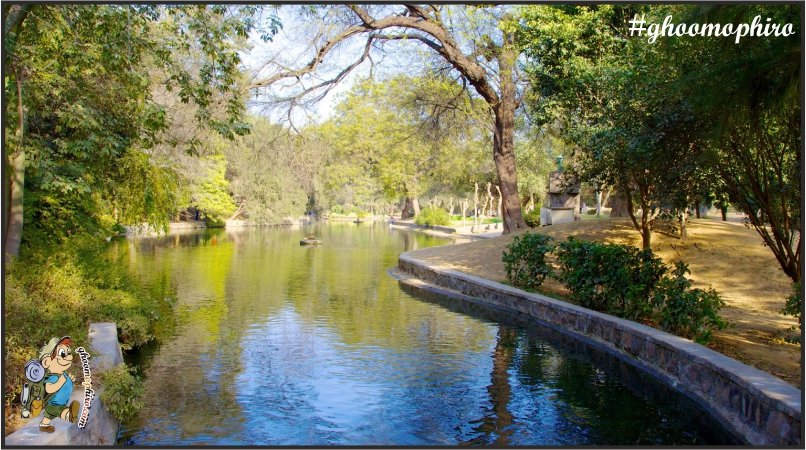
It is landscaped with grass, flowers, and lakes, and is a hotspot for morning walks. Yoga classes are organized every morning in the park. The view from the middle of the bridge is captivating, especially on a bright sunny day, when the fountain is in full swing and one is lucky to see a rainbow.

The tomb of Mohammed Shah was built in 1444 by Ala-ud-din Alam Shah. Bara Gumbad and Sheesh Gumbad were built in 1494 during the rule of Sikander Lodi. Another tomb of Sikander Lodi, which is very similar to Mohammed Shah’s tomb, was built by his own son Ibrahim Lodi in 1517.

Lodi Dynasty ruled over several parts of North India in the 16th century, before the Mughal Dynasty came into force. They were not as popular as the Mughal Dynasty, but they left bits of their legacy in Delhi, Lodi Gardens being one of them.

After the Sayyid and Lodi dynasties, two villages grew around the monuments, but in 1936, the villagers were relocated in order to make the gardens. During the British Raj, it was landscaped by Lady Willingdon, and hence the garden was named as ‘Lady Willingdon Park’ in 1936. After Independence in 1947, it was given its present name, Lodi Gardens.

In the middle of the garden is the Bada Gumbad (big dome), which is a gateway to a mosque. Both the Bada Gumbad and the mosque were built in 1494, when Sikander Lodi was the ruler.The mosque is extremely captivating. It has three domes, an arched doorway and some beautiful-looking inscriptions on them.

Opposite to the Bada Gumbad is the Sheesh Gumbad (the glass dome), which carries the remains of an unknown family. The Sheesh Gumbad is covered with ceramic tiles, which glitter like piece of glasses when the rays of sun fall on them, giving the Sheesh Gumbad its name.

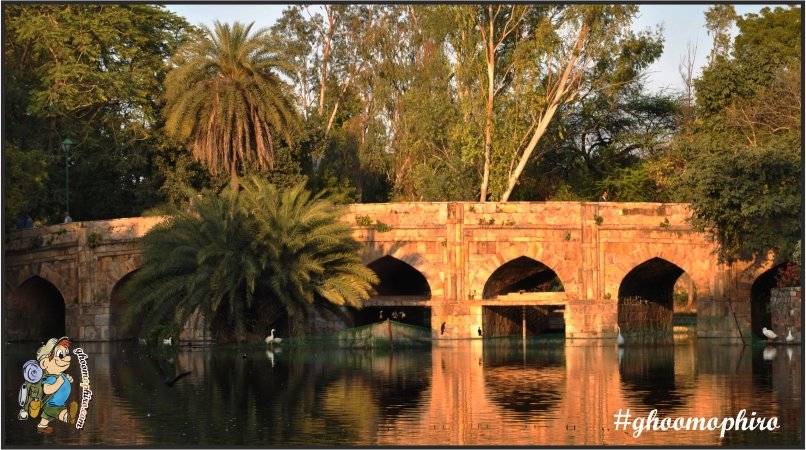
There are remains of a watercourse in the garden which connects the Yamuna River to the Tomb of Sikandar Lodi. Nearby Sikander’s tomb is the Athpula (“Eight Piered”) Bridge which was built during the reign of Mughal Emperor Akbar. It has seven arches, amongst which the central one is the largest.

Muhammed Shah, the last ruler of the Sayyid dynasty, which was in force in Delhi before the Lodis came to power, was buried in the Lodi Garden. His tomb was built by his son Alauddin Alam Shah, in the year 1444as a tribute to him.The tomb is in octagonal shape, with many Hindu-style chhatris around the central dome, various arches and verandahs. The tomb of Mohammed Shah is clearly visible from the road, and is the first structure in the gardens. It is a good example of a combination of Hindu and Islamic style of architecture.

Categories
Architectural Corporate Outings Culture Historical North India

Tryst with Chittorgarh Fort

Chittorgarh Fort popularly known as Chittor Fort is the Pride of Rajasthan. It is one of the largest forts in India and counts as a World Heritage site. It is spread over an area of 691.9 acres over a hill that is 180m in height. The fort is of great historical importance as it was ruled by the Mewar Kingdom since the 7th century. During the rule, there have been three prominent attacks on the fort by Muslim rulers such as Allauddin Khilji, Bahadur Shah and Akbar. The entry of the Chittorgarh Fort is by crossing four gates called ‘Pol’. The main gate is known as ‘Ram Pol’.

What makes Chittorgarh Fort so different from the rest of the forts in Rajasthan is that the build of the fort is pure Rajputana and there is no Mughal Art mixed with it. The architecture and even the stones tell the story of the great Mewar. Unlike Jaigarh Fort or Ajmer Fort, the palace is not in pristine conditions. In fact, most of it seems like nothing but a glorified ruin but those ruins tell the stories of great war and bloodshed. During those times of attacks, firstly by Allauddin Khilji when he defeated Rana Ratan Singh, the fort suffered great destruction and the soldiers lay down their lives trying to protect their kingdom. It is believed that Khilji led the attack in order to make Rani Padmini (wife of Rana Ratan Singh who is believed to be the most beautiful queen of Rajasthan) and make her join his Harem. When it was clear that there was no way to victory, the queen along with other royal women and some commoners decided to accept death as their fate instead of bowing down to some other ruler and facing the dishonour of defeat. They preferred to die in the Rajputana way of Jauhar (dying on a pyre by jumping into the fire). Again with the other two attacks, the walls of the fort heard war cries of soldiers and the echoes of women folk were heard as they took their own lives. Well, ultimately no matter how many times they were defeated, the fort was won again by Mewar rulers.

There is also another Mythological importance of this fort related to a popular figure ‘Meera’ who was a saint in love with Lord Krishna and who spent her life devoted to the same. She believed Lord Krishna to be her husband and there is a temple called ‘Meera Temple’ within the grounds of the fort where she used to chant hymns, dance and worship Lord Krishna. It is said that this is the same temple where she totally submerged herself into holy matrimony with God.

Another part of the fort is the Vijay Stambha (Victory Tower) which has nine-storeys and is 122 ft tall. It was used to keep an eye on the enemy’s army. It ensured their victory in many attacks and therefore was named Victory tower. Among the premises of the fort, there is also a Jain temple and a Peepal tree has been planted. The tree itself is of great importance as it is said to give relief to the many wandering souls in the fort. With such atrocious deaths that occurred between those walls, it brings a sense of calm to the place.

Located nearby is Fateh Prakash palace that was built by Rana Fateh Singh. From there, The Gaumukh Reservoir is visible which offers a picturesque view.

In the end, I would like to add that Chittorgarh Fort is an important part of the History of Rajasthan and anyone visiting there should absolutely walk among those walls.

Categories
Architectural Central India Historical

Bhimbetka –an experience decoding the archeological sites and Indian rock art

Situated right in the heart of Madhya Pradesh, Bhimbetka is one of the most visited tourist places in India. It hosts some of the best archeological sites in the world with the reflection of human traces from the South Asian stone-age. The government of India declared it a world heritage site in the year 2003. We bring you a list of a few good things you can do while you are in Bhimbetka.

Explore Cave Paintings

The Bhimbetka rock art sites are about 45 kilometers southeast of Bhopal. These rock sites have become renowned and are the ones that are always mentioned whenever we talk of the most spectacular Indian rock art.

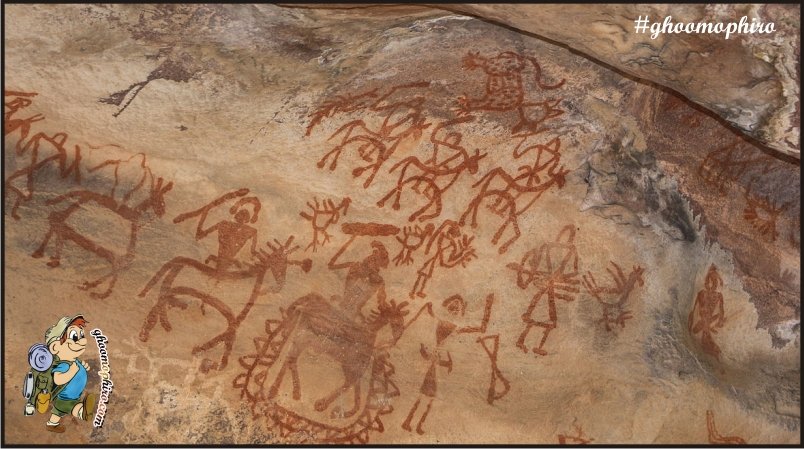
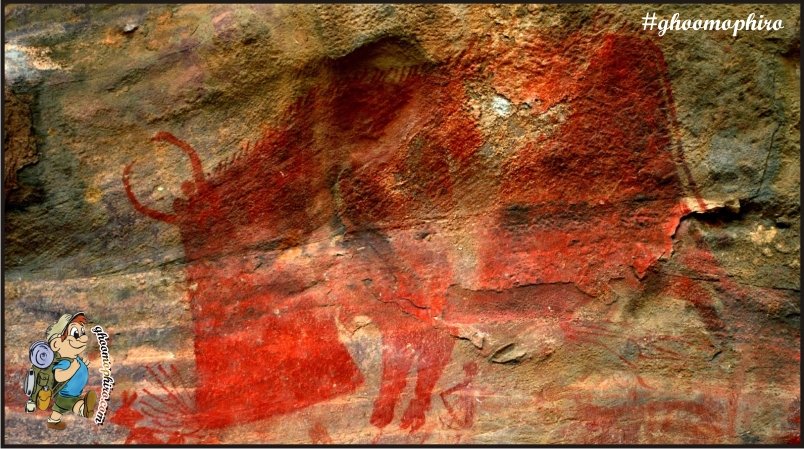
The place hosts a painted sites and caves with traces of art and paintings by ancient humans. Several archaeological studies suggest that these cave paintings are one of the oldest in the world. You must explore cave painting in Bhimbetka during your stay in the city. The moment you step into a cave to explore the incredible heritage of India, you are literally transformed to a different world. The cave paintings are a great way to understand the people of ancient times, outlook, and their culture.

Visit Bhojpur Temple

Bhojpur temple has an Indian mythological significance. According to local beliefs, Bhojpur temple was developed by Bhima, the second son of Pandu in Mahabharatha, while he along with other four brothers and mom was in exile for 13 years.

A staunch devotee of Lord Shiva, Bhima created the temple overnight for his daily offerings of prayers. There is a gigantic Shiva Linga in the temple. Tourists from around the world flock to offer their prayers here. The cave paintings also depict art, music, jewelry, dancing, honey collecting, horse riding, elephant riding, masks, and animal fighting. There are loads of animals carved on the walls of the temple such as dogs, monkeys, elephants, tigers, antelopes, tigers, boars, lions, elephants, and crocodiles among others.

Visit Hoshangabad

Hoshangabad is a place of historical significance in Madhya Pradesh. From some of the most popular temples to a host of cave paintings, this city, a few kilometers from capital Bhopal is a sight to behold. Just like cave paintings in Bhojpur temple, the cave paintings found in Hoshangabad depict ways how the people from ancient time used to live. Cave paintings showcase hunting, dancing, music, art, and animal fighting. A number of animals have also been depicted in these paintings. Some of them include dogs, monkeys, elephants, tigers, antelopes, tigers, boars, lions, elephants, and crocodiles among others.

How to Reach

Flight

The nearest airport to Bhimbetka is the RajBhoj airport which is located at a distance of around 45 kms from Bhimbetka. The airport is well connected to the major domestic airports via regular flights.
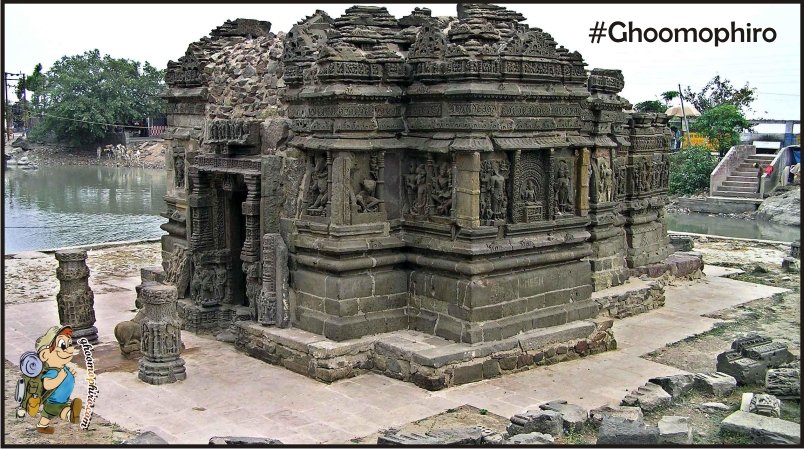
Road

Bhimbetka is easily accessible by road too and is just around 46 km drive from Bhopal. One can hire Taxis and Buses which are easily available on this route.

Food

Foodies can tantalize their taste buds right from early morning in Bhopal, as you can find various stalls serving Poha Jalebi. Almost every shop and restaurant in and around Bhopal serves the delicious Poha Jalebi. If you are comfortable with small food chains, you will find many Dhabba which get under way to the caves, where this famous combination is served with a hot cup of team. Local people call it “cut chai”.

The place is famous for its sweet-sour and spicy ‘chaat’ of this city that is loved by all. Since Bhopal is the hub of Mughlai culture, it offers famous delicacies such as chicken tikka, biryani, goat kebabs and goat kebabs.
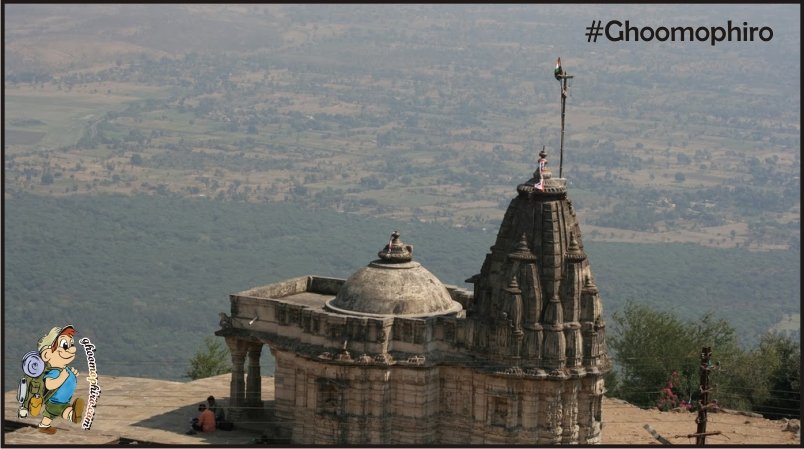
More about Bhimbteka

Bhimbetka is home to more than 500 rock shelters and caves which comprise a large number of paintings which steal the limelight. The oldest paintings are considered to be 30,000 years old.
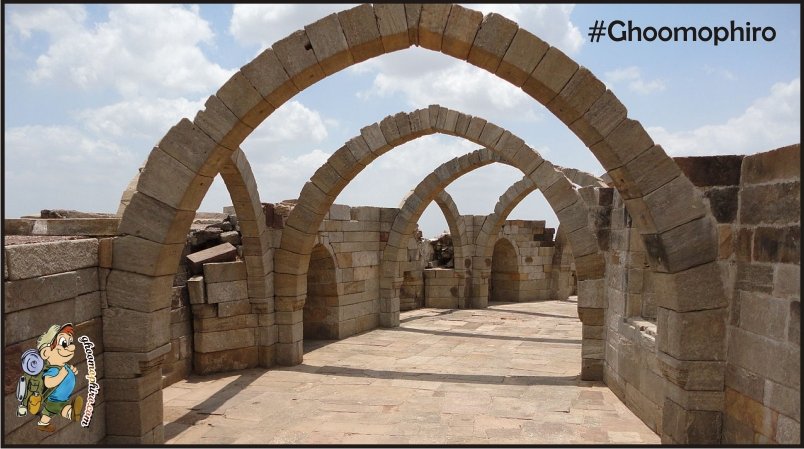
The place is of great interest to the tourists of almost all age groups.

Places to Stay in Bhimbetka

There are a plethora of hotels that one can find in Bhopal, situated 40 km away from Bhimbetka. You can find hotels within your budget in the city. Rooms are usually available all through the year.

Categories
Architectural Corporate Outings North-West India Spiritual Hubs Uncategorized

Mahabaleshwar is the place to be this weekend

Located in the western Indian state of Maharashtra and nestled among the Sahyadri Mountain ranges, Mahabaleshwar happens to be one of the most important and often underrated gems of a tourism place. There are numerous enchanting places one can visit in the city. A day is far less than enough to totally grasp in everything that the city has to offer. But still, if you are short on time, there is much you can do. Let us start exploring the place through our lens.

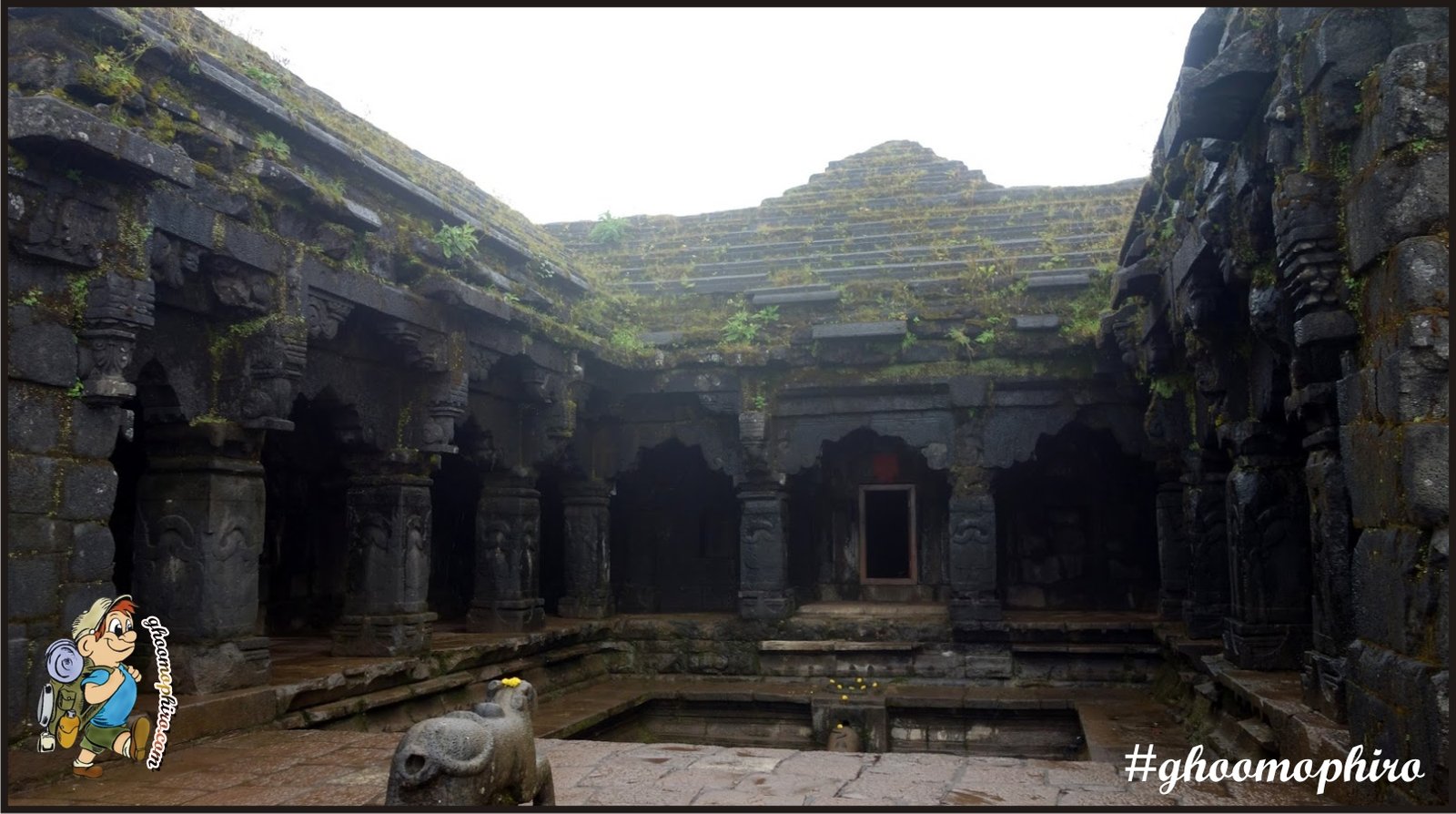
After the breakfast in the morning, you must visit the place the city has been named after, the Mahabaleshwar temple. The temple happens to be a great monument full of the architectural magic of the medieval era. The city is, however, full of many different temples dedicated to many different gods from the ancient Hindu mythology which you can visit. Mahabaleshwar Temple, Panchganga Mandir, Shankar Temple, Mahabaleshwar Shiv Mandir, Janni Mata Mandir, Shree Ganesh Mandir are some of the temples to check out. You may have to hurry as there are a lot more places to see during the one day tour.

The next stop could be the Panchganga temple which happens to be around for more than 4500 years. The temple is known to be the origin of seven different rivers. Out of all of them, spring of five keeps flowing in the direction of the temple, hence the name Panchganga- Five Ganges.

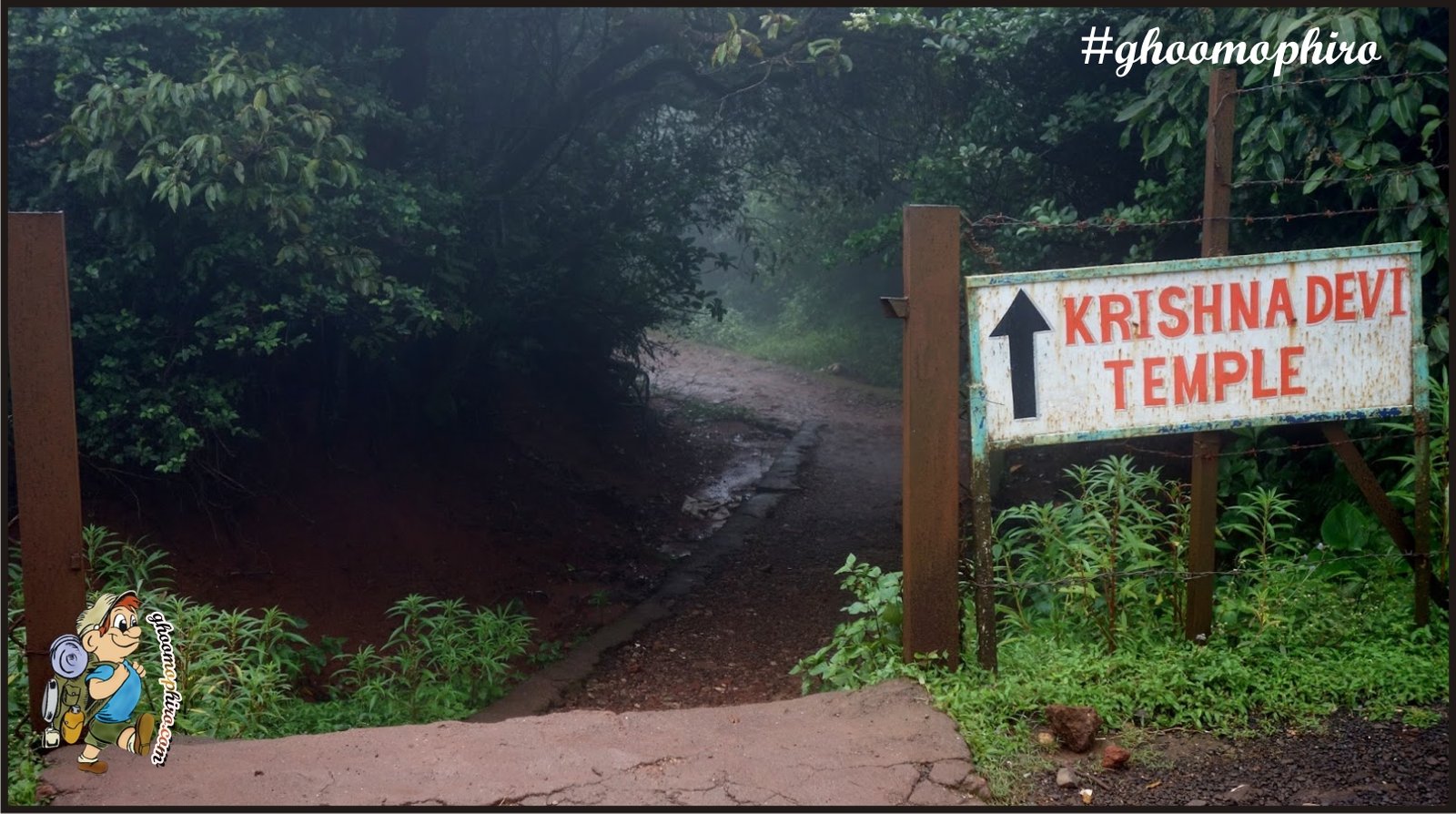
Behind the Panchganga temple is the Krishnabai temple where the Krishna River gets worshiped, one of the seven rivers that emerge out of Panchganga. The temple was built in the year 1888 by the ruler of Ratnagiri on the Konkan coast. There is a beautiful Krishna statue in the premises along with a very old and beautiful Shiv Linga.

Vena Lake and the elephant point are two more places which you can visit in case you still have the time left before the sun goes down. The elephant point is also known as the needle point. The name was given to it because it has two massive rocks with a hole in the middle. Thus, the needle point.

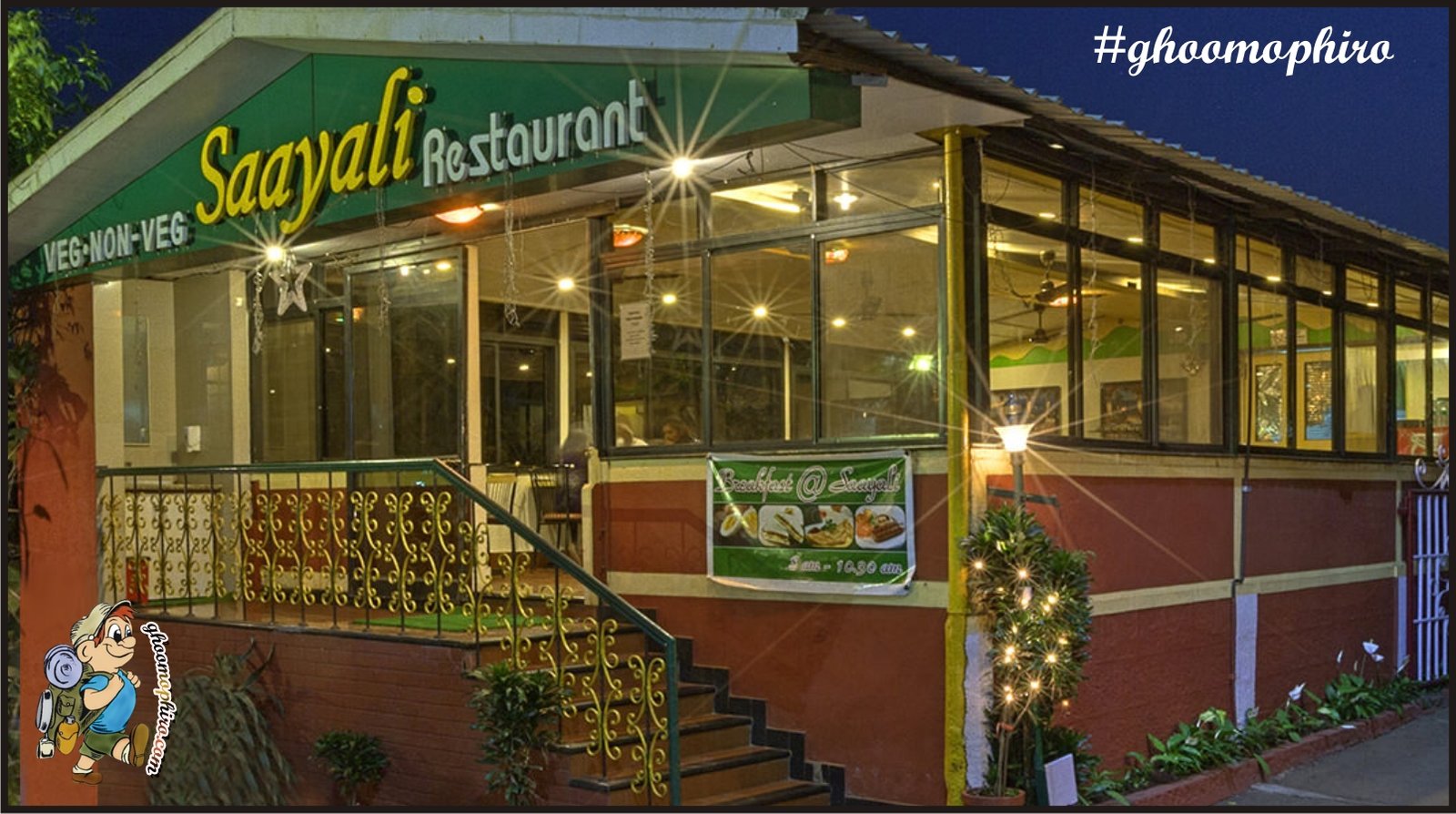
You can relish some of the most delicious cuisines from all over the country. Some of the best restaurants in Mahabaleshwar one should visit are Mapro, The Grapevine, The Olive Garden, Saayali Restaurant, Little Italy, Sizzler Place and much more. It’s a kind of food paradise visiting these places.

How to reach there

The city is located at about a distance of 250 kilometers from the state capital of Mumbai and the railways are the roads are well connected to ensure a safe and sound journey to the place. The nearest airport to the place is the Mumbai international airport.

Mahabaleshwar happens to be a very ancient city, full of many old temples and monuments that remind one of the eccentric cultures and histories the city once had. Many different rulers, especially the Marathas, have given the city a lot to cherish which, in the present times are the biggest attractions of the city.

Categories
Architectural Corporate Outings Culture North India

The Amazing Golden Triangle

For the national and the international tourists who like to explore more of the northern India, the Golden triangle serves as a holy grail. It gives them a great glimpse into the ancient and the medieval Indian histories. The popularity of the great Indian Golden Triangle is so much that it almost gets as many tourists every year as the Himachal Pradesh, which happens to be the top tourist destination in the whole country.

The Golden Triangle basically covers three very important tourist destinations across north India, the National capital New Delhi, Agra and the Pink City Jaipur. Here we will give you a glimpse into how the 5-day tour to the golden triangle is usually divided.

Day 1- The tour takes off from the National capital New Delhi. The passengers get to see many historical places such as the Red Fort, the Humayun Tomb, Qutub Minar and many others. Delhi is the most historically significant cities in the country with many different rulers across the centuries making it their capital for their Pan India operations. The tour will also make the tourists have a glimpse of the Connaught place, the old Delhi, and some other important places.

Day 2- Leave for Agra in the morning. The journey is taken through one of the best Indian national highways. It’s a 4-5 hours drive and then you check into a hotel for some rest and relaxation. The day begins around 3 in the evening and you get to see the Agra Fort. Built by Akbar, one of the most important Moghul rulers, this is a marvel of architecture and elegance and gives away a majestic vibe. The great Taj Mahal is the next destination followed by Mehtab Bagh.

Day 3- The day will start with the sight of the Taj Mahal in its early morning glory. It looks more beautiful in the morning when the golden sun rays fall on the pure white marble. It is the perfect amalgamation of the man-made and the natural marvels. Move to Jaipur afterward and make a stop at Fatehpur Sikri, one other historic place with lots of stories to tell. Reach Jaipur by evening.

Day 4- The 4th day is dedicated to the Pink city of India, Jaipur. Amber fort is the first step to take in the morning which happens to be a former capital of the state, popular for its painted elephants. Hawa Mahal is the place you move to in the late afternoon. The city observatory is where you make a trip to in the evening.

Day 5- After the breakfast, it’s time to complete the triangle as you start your drive back to the national capital through the Delhi-Jaipur highway. Taste some delicious food cooked by the amazing dhabas on the way and by noon of the late afternoon, step back in Delhi.

However, there are many more places that fall the victim of the time constraints and gets missed. But still, in these 5 beautiful days, you amazingly cover best all three of the historical Indian cities.

Categories
Architectural

Stepwells of Gujarat, you should not miss

Stepwells can be traced back to the cities of Indus Valley civilization. These are wells in which water is reached by steps. Gujarat is the place where more than 120 stepwells are found. These wells may have helped our ancestors during droughts but now they are considered sacred as they belonged to the time of Vedas. Some of the stepwells we visited while in Gujarat were:

Rudabai Stepwell or Adalaj Stepwell

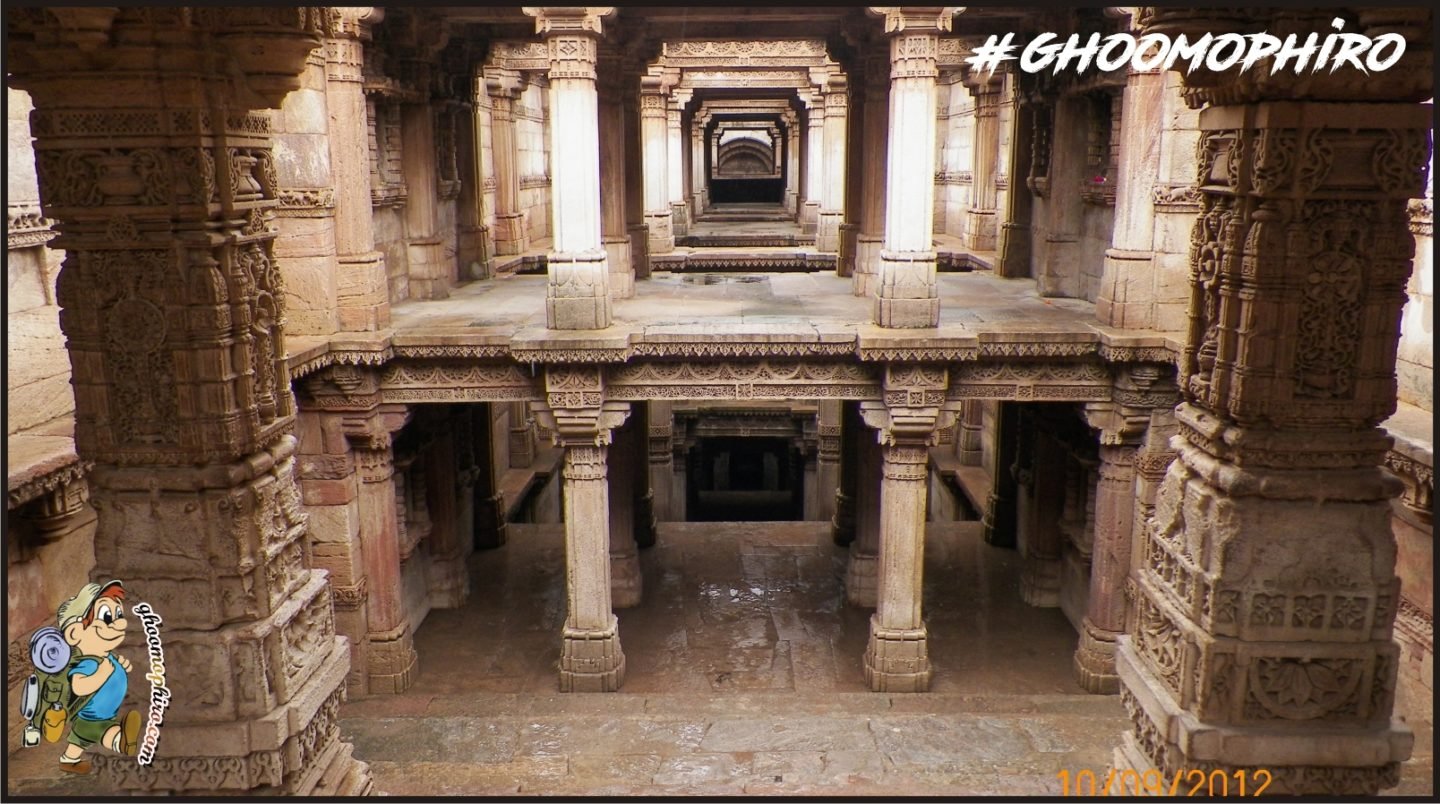
When we saw the architecture and how those stepwells were built 500 years ago, it astonished our minds. It didn’t only impress us with its ancient architecture but also the system of water management. You can easily spend 45 minutes of your time here and get to know more about its significance through the information board outside. It is situated in Adalaj village close to Ahmedabad and is just at a 5km distance from Gandhi Nagar district.

Dada Hari Stepwell

Mughal architecture can be seen at this historic site. We believe that such an important place should be maintained a little better, but anyway, we spent an hour looking around. This stepwell has spiral step cases reaching to each level and it is built with sandstone. The most wonderful experience we had was looking up from the lowest level as its octagonal shape let a little light in. That is something one has to experience on their own to understand. This stairwell lies in the Asarwa area of Ahmedabad.

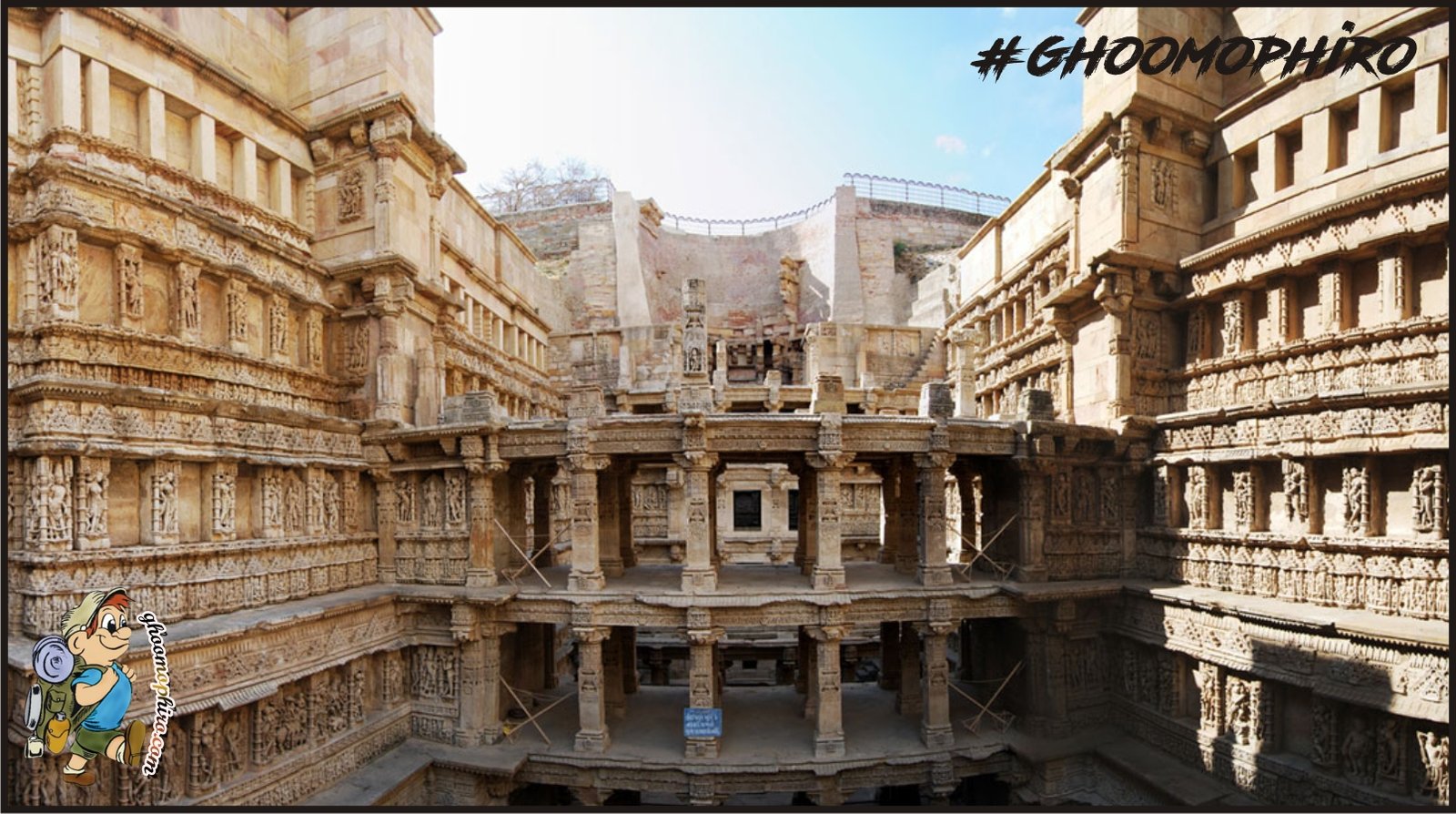
Rani Ki Vav

With an intricate structure and its location being near the Saraswati river banks, it is a popular tourist attraction. We saw beautiful scriptures on the wall of God Vishnu and the view from the top was breathtaking. From the carved pillars to inscriptions on the wall, this is a place that mesmerised us with its beauty. It is located in the town of Patan in Gujarat which is well connected. Don’t forget to keep your camera with you when you visit and also pack your own food and water since you won’t find much nearby. Because of its architecture and historical importance, Rani Ki Vav really is the Queen among stepwells.

Mata Bhavani Stepwell

Now this one is the earliest among all stepwells that we visited. It is also located in Asarwa in Gujarat. Along with long flight of steps that led to water, it also has a shrine of Hindu Goddess Bhavani at the lower level from which the name of the stepwell is derived. The columns and steps have been ornamented beautifully showing the artistic talents of people in 11th century. Yes, it really is that old.

Amritvarshini Vav

Also known as Panchukva Vav since it is located near the Panchukva Darwaja in Ahmedabad, it is a beautiful step well. The main thing we noticed was its L-shaped design. It has more elaborate arches than the other stepwells that we saw. It is a historic monument that shows both Hindu and Islamic architecture. It has three storeys and we spent around an hour there.

For all history lovers and people intrigued by old architecture, these step wells are a must-visit. These are good places to spend time with your family and friends and the climate remains cool in these stepwells. It is better to get a guide who can inform you about the historical importance of these stepwells but if now, there are information boards there that you can read.

Categories
Architectural Corporate Outings North-West India Western Ghats Western India

Urban legends of Pavagadh Hill

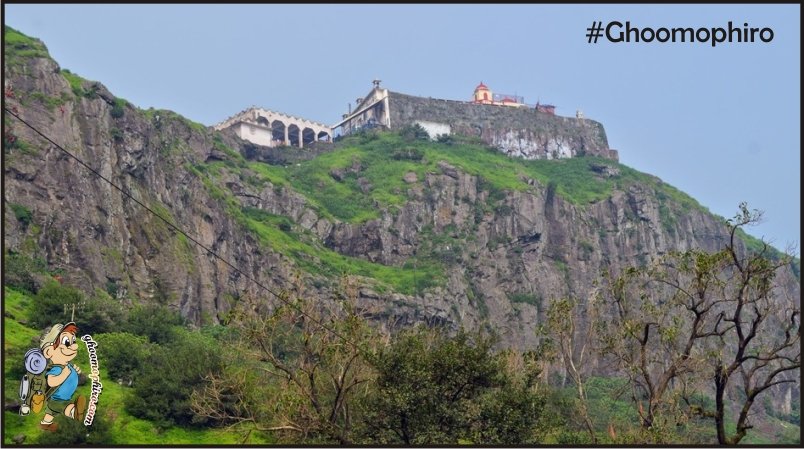
Such a historical hill that lives up to its name of “Fire Hill” as it ignites a fire within your skin. Sudden plans to visit the hill were made and we reached Champaner by bus. It was a 45-kilometer long ride from Vadodara but with good music to keep us company, the time went by before any of us noticed.

This hill has great significance as most Hindus know the story of how Parvati’s foot fell on this hill making it sacred. The Kalika temple on top of the hill has been visited by devotees since ages. Reaching the temple is no hard task. Public buses take you until the end of the road from where we started hiking up. Midway, when none of us could walk more, we took the cable ropeway which took us straight to the top. The sights from above the hill were just as majestic as the temple itself. We got to know from the locals nearby that every once in a while a fair is held at the temple and thousands of devotees come there. The pilgrim site was, fortunately, less crowded by the time we visited. The temple is open even at odd hours to accommodate people who have come from far for pilgrimage. We saw the temple and had darshan of Goddess Kali. There was also a Muslim shrine to a Sufi saint Sadan Shah Pir there.

We stayed at the Machi Haveli for the night after visiting the temple and some remains of Raval palace are still there even though it has been modified into a guest house for travellers. The next day we went out to explore the hill. The hill has different plateaus, the Kalika Mata plateau and Machi plateau which we had already seen and adored. Then there were also Mauliya Plateau, Bhadrakali Plateau, and Atak plateau.

We saw Teliya Talav and Dudiya Talav. The story behind the Dudiya Talav is that sage Vishwamitra had a cow that would speak and yield lots of milk. This cow was called Kamdhenu and one day it fell into the valley while grazing. It tried to get back up but couldn’t. Finally, she produced so much milk that it filled the valley and she swam to top. The sage prayed to the gods so that no cow would ever fall into the valley again and gods made a hill appear there. Well, it is just an urban legend.

We moved on to our next stop where we saw some beautifully constructed Jain temples carved from white stone which gave it a marvellous architectural charm. It was unbelievable to think that those temples dated back to the 14th-15th century. There were beautiful stone images inside of Tirthankaras. Within its vicinity, there is also a tall statue of God Bahubali which is almost 30ft in height. The entire place is splendid in its beauty and holy in ambience. There was also a Jain restaurant, gardens and Dharamshala nearby. We stopped there for some food and it turned out delicious. After wandering around the premises for some more time, we started clicking pictures and finding other places to see around there.

During our journey back home, we stopped at the foot of Pavagadh to visit ‘Vada Talabh’ and Kabootar khaana and then finally relaxed at a beautiful garden called ‘Virasat Van’. It was a serene atmosphere and the sights were beautiful. This experience gave us unforgettable memories of our trip to Pavgadh. Even now we have those visions behind our eyes and can feel the cool breeze upon my skin.

Categories
Architectural South India

The temple city Thanjavur

Located in the south Indian state of Tamil Nadu, Thanjavur exists. Also known as the temple city, it was formerly known as Tanjore. If we say that the city happens to be the center of all the religious, artistic and cultural activities in the southern part of the country, we won’t be exaggerating. The Tiruchirapalli airport is the nearest airport to the place at 50 kilometers distance and after that, a bus or a taxi can bring you here to the very important place in that particular part of the state. The season between November to February is the most pleasant one to have a visit at the place and out of the countless places that you can find here to spend some good times at, here are a few-

South zone culture center- The center was built in the city by the government of India in order to preserve the art and culture heritage of the country. The place is one of the biggest crowd pullers in the entire state and gives a great glimpse into the rich combined cultural landscape of Indian subcontinent. It serves also as a great way to promote the Indian culture as foreigners also can be seen here in great numbers.

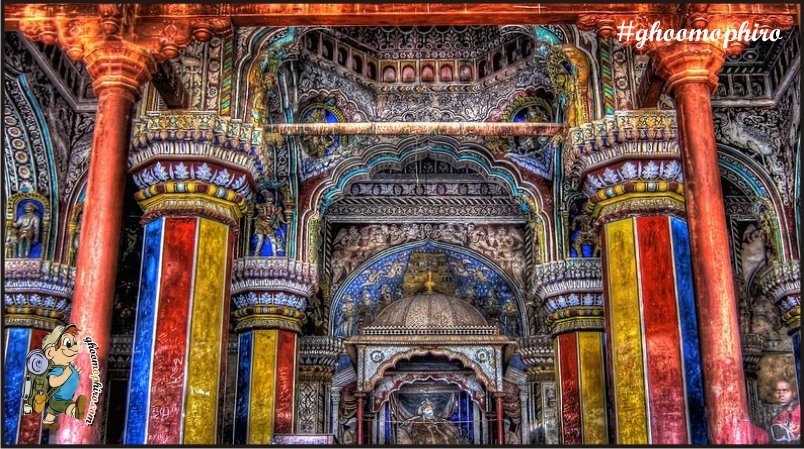
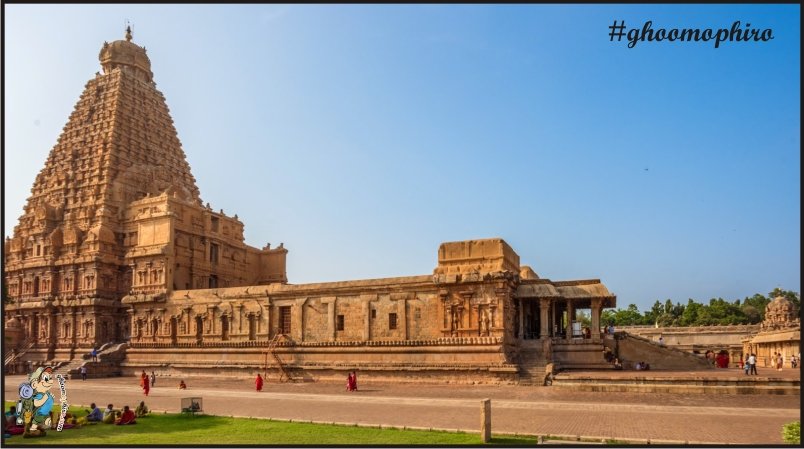
Brihadeeswarar Temple- Out of the many places that are among the favorites of the tourists, this temple gets the top spot. Built in the 11th century, even the most prolific of the architects have described it as a milestone in the history of monumental architecture. The Chola king Raja Raja Chola built it and the inner walls of the temples are covered in the paintings from the Chola and Nayak empires.

Thanjavur Maratha Palace- This was the official residence of the Bhonsle lordship who ruled the place for a few hundred years between the 16th and 18th century. It was initially the residence of the Nayak dynasty kings but after their fall, the Thanjavur Marathas got the hold of it and got it as their residence during the whole time they ruled over the place.

Saraswathi Mahal Library- The library was built and established in about 1700 AD and is located in the Maratha Palace itself. It holds the ancient scriptures from the legendary Indian and the international scholars. It was known in its time as a great source of knowledge about the world and now it serves as a very important tourist spot in Thanjavur.

Schwartz Church- The beautiful church was built in the latter half of the 18th century and presents some medieval era architecture brilliance in front of the world. Serfoji 2 built the church in order to show his affection for C.V. Schwartz who belonged to the Danish mission.

One can visit the Sathar restaurant, one of the oldest and favorite non-vegetarian restaurants in Thanjavur and an iconic place with authentic taste. Sree Ariya Bhavan in Thanjavur serves great tasting rava masala dosa, rava onion dosa, and coffee. It’s an amazing veg restaurant with a variety of cuisines.

When the rest of the country suffers the dreaded winter, the weather in Thanjavur is excellent and is the perfect time for having a visit to the place. As a country, India is culturally significant to the whole wide world and as a city; Thanjavur keeps alive the spirit of art and culture of India.

Categories
Architectural Corporate Outings North-West India

The story behind the deep, dark and fascinating Ajanta and Ellora Caves

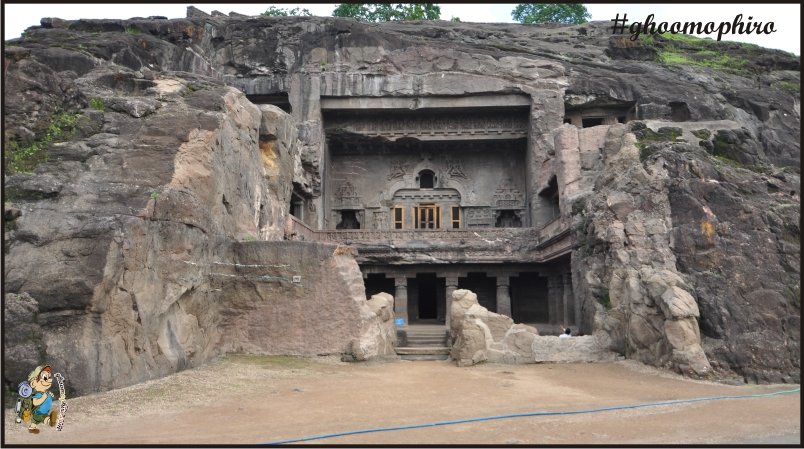
Artistically carved inside a hillside huge rock, stands this amazing reminiscent of how amazing the hard work and talent can turn out to be. There are about 34 caves in Ajanta and about 29 of them in Ellora and together they constitute one of the world’s greatest wonders. The caves at Ajanta are mainly Buddhist when it comes to religious significance, while the caves at Ellora are a decent mixture of Buddhist, Hindu, and Jain beliefs. They have made a secure place in the list of UNESCO world heritage sites.

How to reach

The railway is the best way to reach Ajanta and Ellora caves. Aurangabad is the nearest station to the Ellora caves at about 45 minutes away while Jalgaon station makes it to the Ajanta caves as the nearest and it takes about half an hour to reach there. It’s best to hire a taxi or a cab to reach the caves from the railway stations.

Those who prefer to reach here by flight should note that Aurangabad can be reached directly from Delhi, Mumbai, Jaipur and Udaipur airports. The place is about 99 km from Ajanta and 30 km from Ellora.

What to expect

The most brilliant and surprising thing about the caves is that they are totally manmade. No equipment was used in their formation, the manpower and a hammer and a chisel were the only things that were involved in the making. The Ajanta caves are slightly more artistic in nature than Ellora caves as they feature some rich paintings and sculpture while the Ellora caves are known best for their architectural significance.

Let’s begin with the sightseeing.

The Ajanta Caves

The Ajanta caves are series of 29 Buddhist cave temples, some of which date from the 2nd century BC.  The walls inside the Ajanta caves give a great glimpse of the different phases of the life of Buddha and other Buddhist divinities through sculpture and paintings. Out of the most interesting tales that the walls inside tells are the Jatak tales.

The Ellora Caves

The Ellora caves are known for their amalgam of Hinduism, Jainism and Buddhism emotions. The wall carvings depict the stories of Hindu mythology and feature some great artistic talents of the creators. The site features over 100 caves, of which 34, are allowed to be visited by the public.  These caves consist of 12 Buddhist caves, 17 Hindu caves, and 5 Jain caves, all of which present the respective deities and mythologies prevalent in the ancient times.

Kailasa Temple

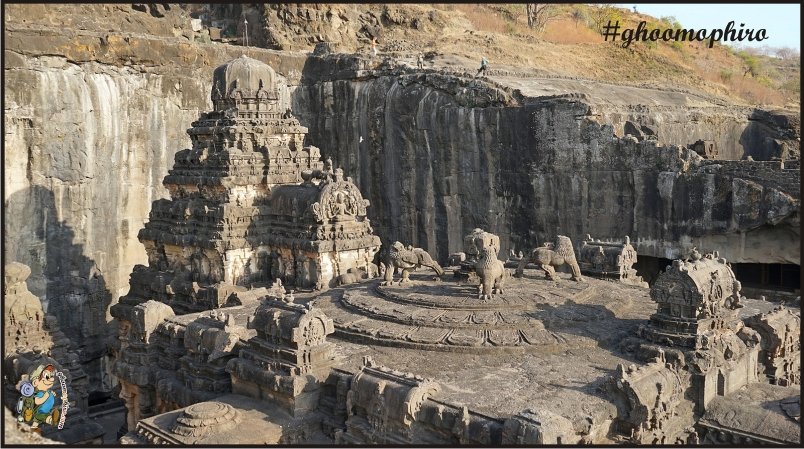
It is one of the largest rock cut ancient Hindu temples located in Ellora. What makes the temple at Ellora so special is that is carved out of a single rock. Do not miss the incredible view of this temple, from the top of the rock; A little climb could get you to see massive scale of it all. However, bringing a torch to explore the caves is advisable as the lighting is quite poor inside.

Jain Caves, Ellora

There are in total 5 Jain caves at Ellora and that date back to the ninth and tenth century AD. The important ones are the Indra Sabha (cave 32), Chhota Kailash (cave 30) and the Jagannath Sabha (cave 33).

Where to stay

Hotel Kailas happens to be located right on the opposite side of Ellora caves. Ajanta T Junction guest house and Ajanta tourist resort are two places that cater the most of the tourists.

Time to visit

Although, a trip can be made any time a year but the time between November to March is considered to be the best for having a trip as the season is cool and dry.

Restaurants and Local Food

The cuisine of Aurangabad emanates the flavor of North India and Hyderabadi cuisine. Kailash Restaurant, Tandoor Restaurant, and Bar Bhoj Restaurant can be explored here.

Ajanta Ellora festival

Tourists planning to visit the Ajanta Ellora caves should not miss the three-day international festival, the Ajanta Ellora festival celebrated in the city of Aurangabad. The festival organized every year between the months of November and March is truly a treat to the senses. Various artists will be seen performing in this prestigious festival. A mixture of cultural competitions for children, youth women, and senior citizens are also planned on this occasion.

For those who love to travel the past and get an insight into the ancient India, Ajanta and Ellora caves by the river Waghora, are the best sites which bring the ancient India into the limelight

Exit mobile version