Categories
Culture Inspiration North India Spiritual Hubs Travel Trends

Festivals of Uttar Pradesh one should not miss!!

Uttar Pradesh is one of the most well-liked spots in India popularly referred to as the ‘Heartland of India’. The state boasts of a rich cultural heritage where you can find and cherish all kinds of colorful festivals celebrated by all communities. Planning your tour to Uttar Pradesh? Then you should not miss the cultural and traditional festivals of UP. These festivals are the symbols of age-old traditions that those people are proud of and even though they have entered the 21st century, they celebrate these festivals with the same fervor.

Here, we list a few very famous festivals that the north Indian state of Uttar Pradesh is known for.

Ganga Dussehra- Ganga Dussehra is mostly celebrated in this particular state. The festival approaches in the excruciating summers in the month of June every year. Dedicated to the holy river Ganga, which acts as the lifeline of the people in here, the festival is highly awaited and the people participate in the celebrations with an insane level of excitement which is a great sight to savor. The festival lasts for 10 days.

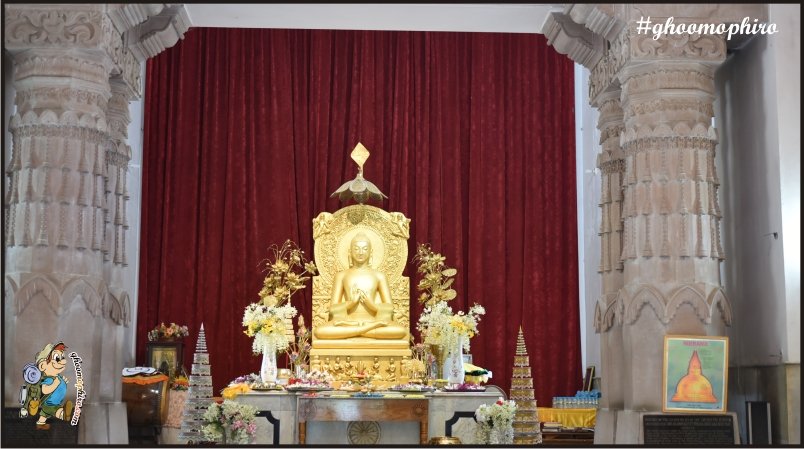
Buddha Purnima- The festival gets celebrated in the rest of the country as well, but in UP it holds a special significance for the people. UP is one of the most populated states in the country and it has people from all the religions in abundance. The Buddhist community is one among them and they are known to celebrate the birth of their lord Gautam Buddha with great enthusiasm. This day is the most auspicious day for them in all year.
Ayudha Pooja- Hinduism followers constitute the biggest part of the population of the state and they are avid followers of Lord Rama. The festival falls in the months of October or November each year. Lord Rama is worshipped on this very auspicious day. It actually is celebrated around the time when the much-hyped festival of Dussehra is celebrated in rest of the country.

Makar Sankranti- Entire country celebrates Makar Sankranti, mostly in the second or third week of January. But the festivals takes an entirely different shape in UP. The festival gets celebrated here in the months of December/January and the people take their ritualistic bath in the holy river, Ganga. There are few other customs and traditions which get followed and that make the Makar Sankranti celebrations different from rest of the country.

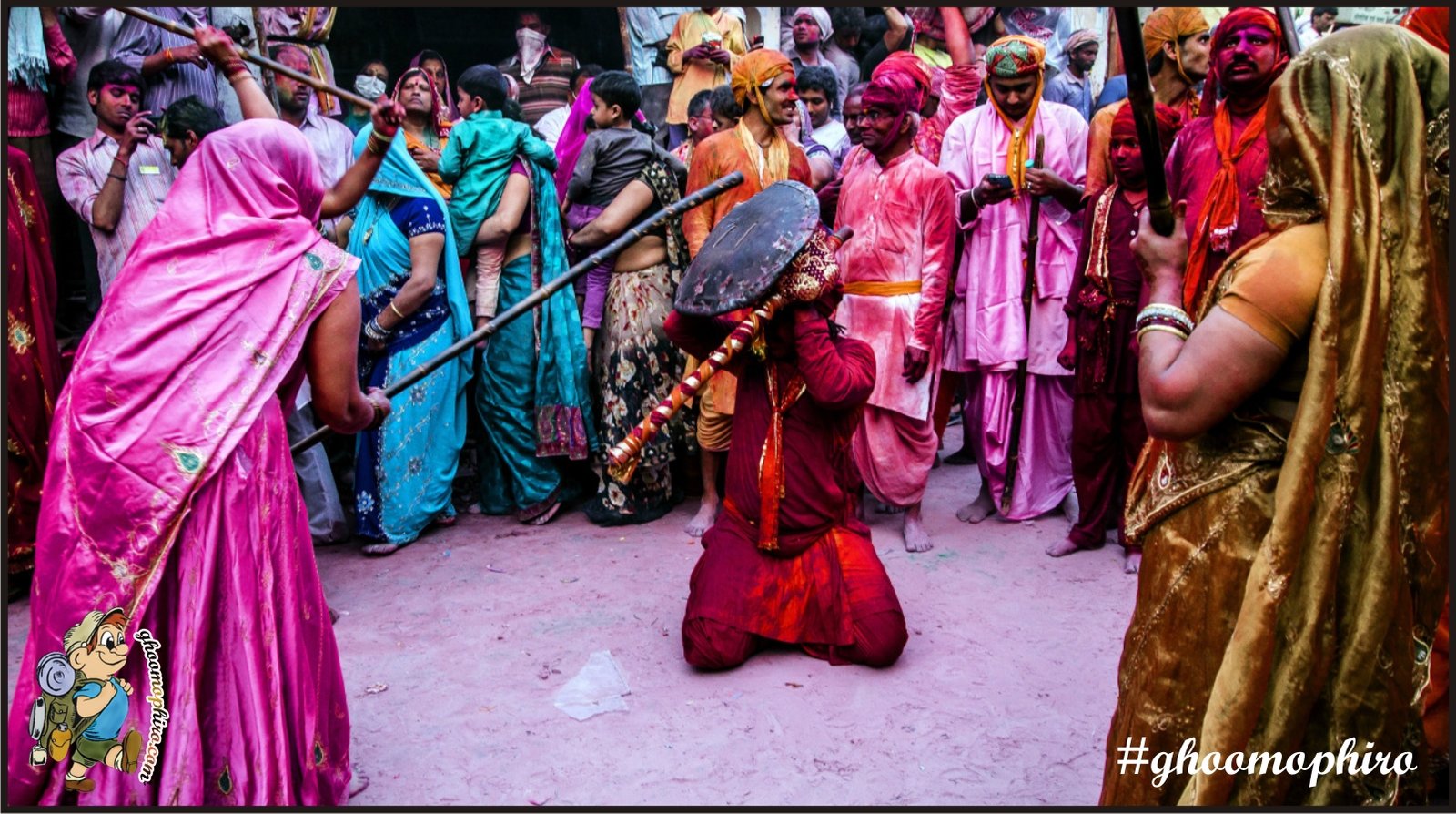
Lath Mar Holi Lath Mar Holi is the most colorful and a prestigious festival in Barsana near Mathura not be missed in the state of UP.  The festival takes place just few days before actual Holi. This festival time is a great holiday option for visitors which captures attention from tourists and pilgrims from all over the world. During the Holi celebrations, Ladies are found hitting sticks (laths) at each man as the common custom during this fest.
Janmashtami- Mathura, the birthplace of Lord Krishna celebrates and rejoices the festival of Janmashtami with great enthusiasm. The major festival celebrations take place at Dwarkadhish Temple.

Mathura the birth-place of Lord Krishna, and Vrindavan where he spent his childhood, both the cities celebrate the festival with equal fervor. Around more than four hundred temples are dedicated to Lord Krishna in this sacred city. Among the list of temples, some of the major temples are Banke Bihari, Rangaji, Shri Krishna Balaram Temple and Gopinath temple.

Taj Mahotsav- Experience a cultural bonanza with Taj Mahotsav

Taj Mahotsav 2017 will be held between 18-February to 27-February. The event is held annually in the historic city of Agra and is known to be one of the most spectacular and awaiting events in UP according to the Indian calendar. The event organized by Uttar Pradesh Tourism Dept in Shilpgram complex, 500 metres from Taj Mahal east gate encourages the unparalleled cultural heritage and cultural activities of the state and the country as a whole.

Durgotsav- Also known as Durga Pooja in rest of the country, the festival falls in the months of October/November. However, it can be said that the festival gets celebrated at its very best in West Bengal and other adjoining states but in UP as well, there is much hype about the festival every year.

Other festivals such as Diwali, Holi, Christmas, Eid, and Muharram are also being rejoiced with great enthusiasm among the people here. But the style with which these festivities are cherished and celebrated by the colorful people here brings an additional charm to the overall festivities.
Categories
Central India Corporate Outings Culture Deserts

Ultimate Guide to Rann of Kutch, Gujarat

If not for the persistent advertisements by Amitabh Bachchan popularizing this spot, this land would have gone unnoticed for a long while. The vast white land merging with sky blue horizons was no less than a wondrous sight. While seeing this part of the Thar desert, one can be reminded of the Rajasthan’s sand dunes. As we were guided on camel-backs throughout the desert, a conversation kept brewing, telling us about the place. When monsoons hit, the place gets covered by Arabian sea and when the summers come, the water dries up, leaving behind salt marshes.

On our visit to the district, we found so many reasons to visit Rann of Kutch. And if you do believe in the truth ‘Nature is beautiful”, Rann of Kutch will prove you right. One look at the vast panorama was enough to convince us that ‘Kutch nhi dekha toh Kuch nhi dekha’. Though popular belief says, the real view of the shallow marshlands are seen under moonlight, we preferred the views of sunrise and sunset. The orange hues on clear blue sky contrasting with the white of the lands made for a picturesque scene.

The White Rann

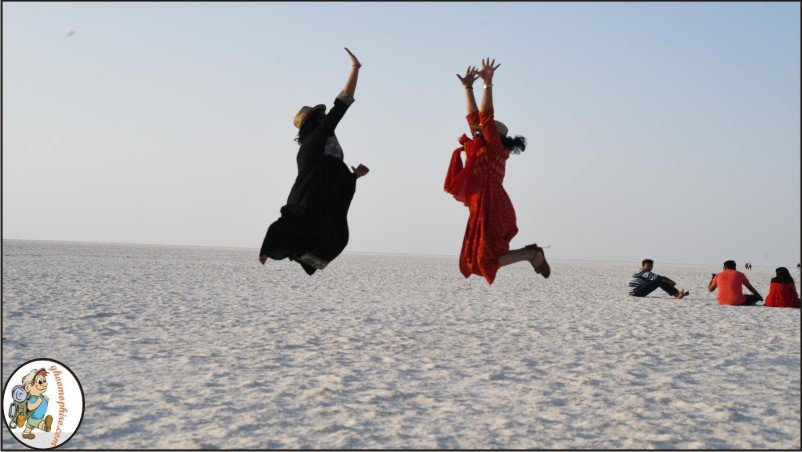
It has to be the major highlight and yes, the biggest reason we found for our memorable trip to Rann of Kutch. As we stood there in the morning with the cold wind blowing, and the rays of sunlight brightening up the salt crystals, it was the most mesmerizing scene ever. We had goosebumps as we saw the beautiful transformations of the skies. The white desert of Rann of Kutch is something of an enigma with its calmness and charm.

Mandvi

Getting to dip your feet in the Arabian sea is an entirely different feeling than watching the sunset in the White Rann. Mandvi is one of the old ports in Gujarat and used to be a summer retreat for Maharajas. There are so many fascinating things to see over here, like the 400-year-old industry that built ships, Vijay Vilas Palace, and the harbour. As we walked around, we saw many ships in different stages of completion and the bird flocked to them.

Bird-watching

We didn’t have to go specifically for bird-watching because here in Kutch, these water birds flock together in abundance. All around the lakes, marshes, oceans, and swamps, you can see the variety of birds. We saw many pelicans as well as flamingos in the lakes near Mandvi. There were other birds like spot-billed ducks, black-winged stilts, and red-wattled lapwings as well, among other water birds. We did nothing but sit there for hours watching the birds and soaking in the sun until it got too much to handle and then we finally moved away.

Dhordo – Rann Utsav

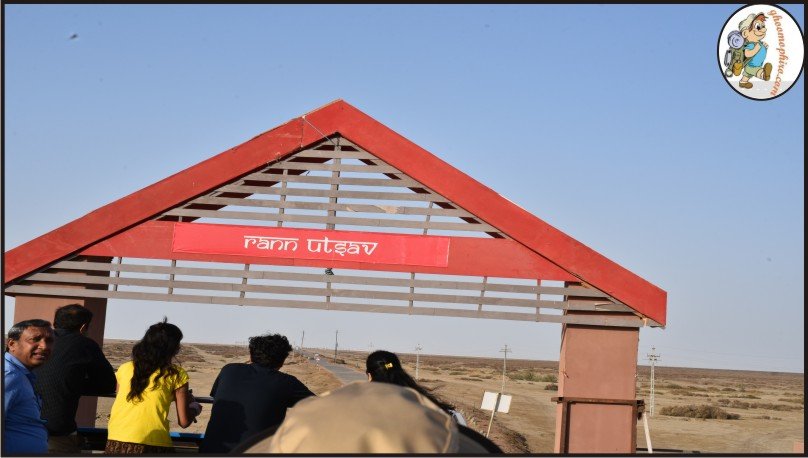
Most of the tourists that do come to Kutch do it during the Rann Utsav which takes place mostly during the winter months. Starting from Bhuj, it covers entire districts and finally stops in Dhordo for the grand finale.

Amenities

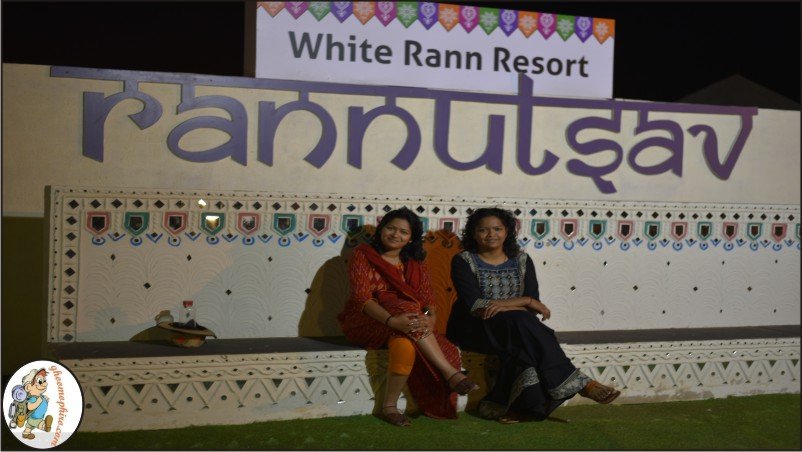
There are many tents available in Dhordo that go from basic necessities to luxurious, depending on your requirement. It is established so as to be able to keep up with extreme temperatures of Kutch and provides basic comforts like air conditioners as well as heaters and hot water supply. Even the marketplace, adventure sports and exhibition centres are not far away placed. We stayed at White Rann Resort and had a great experience.

Exhibition and shopping

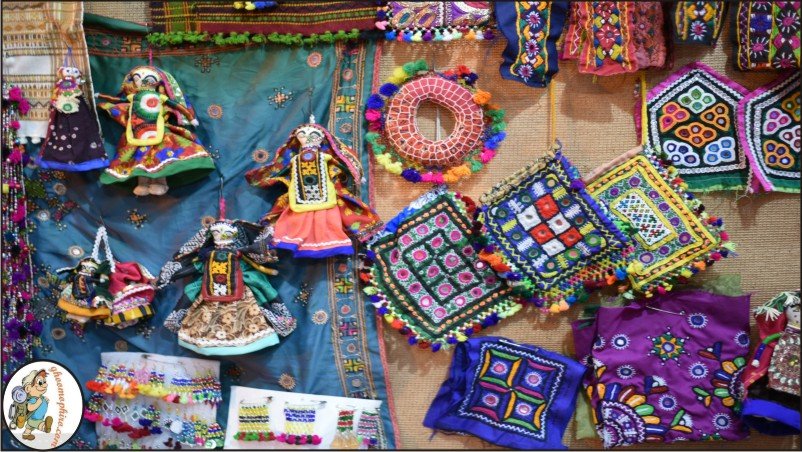
The exhibition centre showcases the real Kutch with its history, culture and traditions. It is such a vibrant place to be that we often forgot that we were there on a barren land.  We were amazed by the varieties available to us on sale. The selection of things you can buy in the markets is dazzling. Those handcrafted pieces with intricate work on them is a feast for the eyes. Most difficult part is trying to decide what to buy and what to leave behind.

Food

There are huge dining halls serving authentic, yummy Kutch delicacies and it doesn’t matter whether you are a foodie or not, you will want to eat everything. There are food corners all around and one can find something to munch on at all odd hours.

Culture

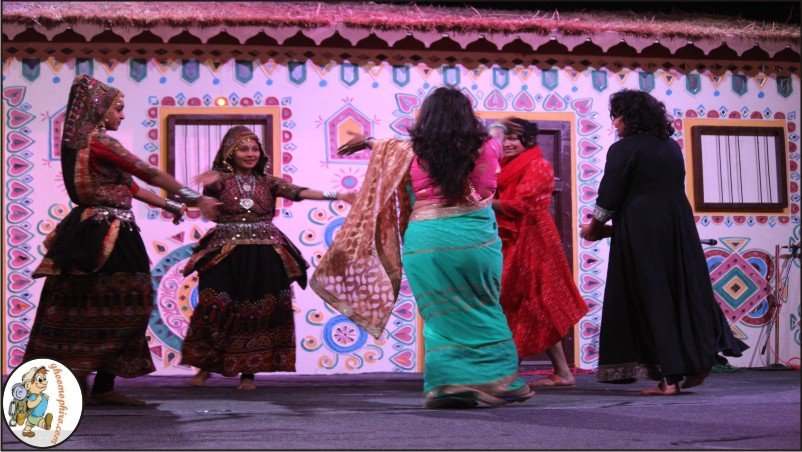
The evenings in Kutch are when we got to soak in the culture. With beautiful cultural performances going on, with music and dance by local artists, we couldn’t help but be dazzled. Those tunes are the kind we carried in our hearts for a long time and the whole performances were a nice mix of modern and ancient styles making it even more interesting.

Sightseeing

There is so much to Kutch that you cannot expect to see it just wandering around the ‘city’. So we decided to do what seemed the best idea at the time: Hot air ballooning.  A beautiful view of the whole of Kutch from amidst the air. It is a sight to behold. Don’t forget to visit the Narayan Sarovar and Charl Dhand. There are just so many places in Kutch that one can’t afford to miss out on. Just keep your camera handy because you don’t want to miss capturing the perfect shot. And those views are ones that will be imprinted on your memory forever but it is still better to capture the moment.

Adventure

Whether it is kids or adults, the Rann Utsav has something for everyone. The bikers get to have a solo ride on the desert on a Desert Patrol Vehicle. That is always a fun thing to do. There are also pool tables, paragliding and other modes of entertainment available.

Craft of Kutch

You can’t go to Kutch and not go Village hopping. As we went to the heart of Kutch, visiting village after village, we saw such beautiful craft and every hamlet specialized in one kind of craft. But the number of practitioners was so low. We saw weavers working in Bhujodi and printing practices in Ajrakpur. One of the must-see villages that we recommend would be Nirona where they still use castor oil for their art which is in Persian style. There were many other villages with their own specialization and we visited to see the craftsmen at work while getting tempted to buy some of the things.

Some Things to Know:

1.    You can fly straight to Bhuj and then travel to the venue. Also, there is a Kutch Express rail that travels from Mumbai to Gandhinagar. There is also a direct train to Bhuj. The place is well connected by roads as well.

2.    Look for the best packages and book them for Rann Utsav in advance.

3.    Do not miss the sunset from Kalo Dungar which is the highest point.

Everyone should get to experience the vibrant festivities of ran Utsav or witness the beauty of the White desert in Rann of Kutch. It is a sight to behold and you will leave with a light heart and a mind full of memories, each beautiful and unique. For any queries related to Rann of Kutch, drop us a note at ghoomophirosisters@gmail.com

Categories
Architectural Asia Culture

10 exciting things you should do in Macau

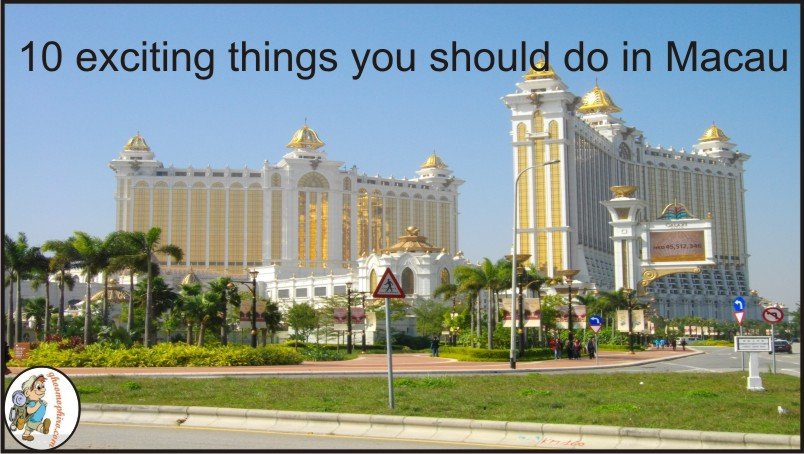
Macau also is known as the ‘Las Vegas of Asia’ is brimming with casinos and high-end shopping centers. An hour away from Hong Kong, it is another administrative region of China. But there is more to Macau than just gambling till you go broke.

Here’s a list of exciting things to do in Macau:

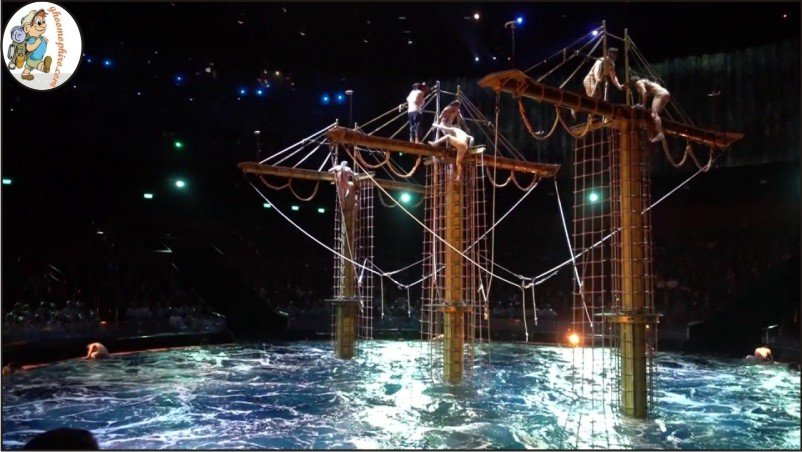
  1. The House of Dancing water show.

You will be dazzled by the extravagant performance of acrobats, dancers and the visual and musical effects. This stage show is stunning and something you must not miss if you are in Macau.

  1. Visit St Paul’s ruins

The best time to visit is after sunset. Since there is huge crowd during daytime and the place looks even better with the sun setting and the city lights turned on. But if you do visit during the day, you can also see Macau Museum and Monte Fort.

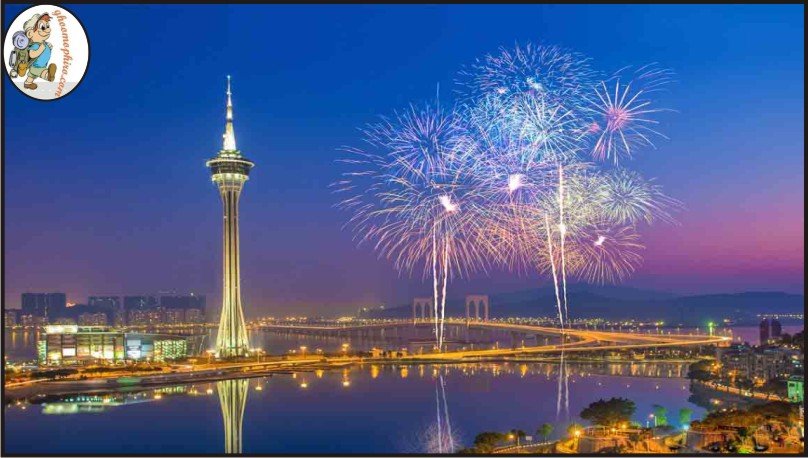
  1. Macau Tower convention and entertainment center

This has to be the most exciting place in all of Macau. As soon as you step into the glass elevator, it takes you to 223 meters above ground in 60 seconds. You can watch the beautiful Skyline from the Observatory that gives you the 360-degree view. Get something to munch on at the snack bar and if you feel daring, take an outdoor skywalk or go bungee-jumping.

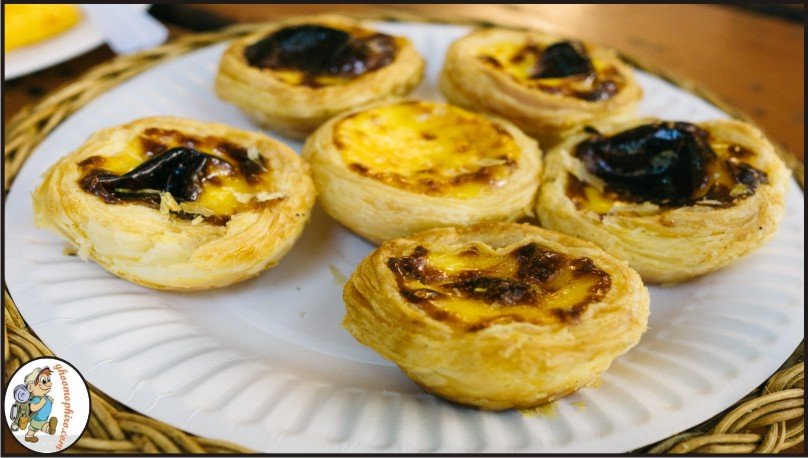
  1. Try the Portuguese egg tart

This is the most common street food you’ll find and it is absolutely delicious. Though the prices may vary from place to place, you will not be satisfied with buying just one.

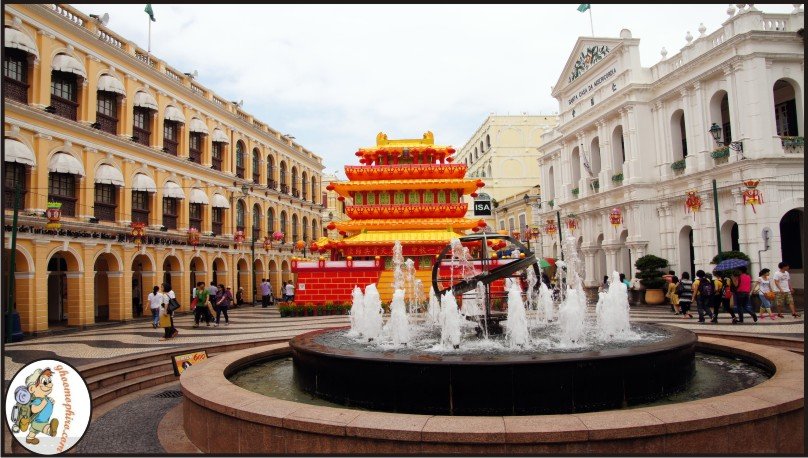
  1. Walk around Senado square

Look at the great views from Senado square and walk around the courtyard garden as well as the nearby library. Go up to the Leal Senado building to click the perfect picture of the place.

  1. Revisit history at the historic center of Macau

This place shows you the real Macau, a blend of oriental and Portuguese. There are lots of old buildings and shops where you can get souvenirs. Try various street foods like Pork Buns and Custard Tarts. Fair warning though, it can be really crowded here.

  1. Go on a sightseeing tour in Macau

Go on a full day tour led by experienced guides to show you all of Macau. You can grab a shuttle from Macau Casinos and enjoy the day looking at UNESCO World Heritage sights and new modern wonders.

  1. Visit churches

If you are at the Historic city center and on your way to St Paul’s, do stop by at the churches in the way like St Dominic’s church.  It has an admirable architecture and beautiful exterior. Built more than a hundred years ago, it has amazing artifacts. You are allowed inside free of cost and can enjoy the tranquillity and peaceful environment. There’s also a small museum near the back.

  1. View an authentic Chinese garden

Lou Lim Leoc garden is a perfect place for a quiet stroll or relaxation. Amidst the beauty of flowers and friendly locals, you can sit near the water or stand on the bridge for a perfect photo shoot.

  1. Tashi Square

This square is a treat for old souls. Take a good look at Macau’s colonial architecture or go to art museums and library or simply walk around the old alleys.

Despite Macau beng popular for its Casinos, it has a rich history and many other places tourists can visit without burning a hole in their pocket. Don’t let the high-end hotels stop you from experiencing the real Macau. If you take a trip to Hong Kong, do visit Macau.

Categories
Culture Staycation

Review : White Rann Resort, Kutch

Address: Dhordo Kutch, Kutch 370510, India

Getting There By Air : Bhuj (80 kms), Rajkot (310 kms), Jamnagar (335 kms)

By Rail : Bhuj (80 kms), Gandhidham (140 kms), Wankaner (272 kms)Introduction:

Amidst the vast spread of sandy deserts of Kutch is this beautiful resort. White Rann resort is not only the best place to stay at but also the organizer of Rann Utsav, a festival every tourist would want to be a part of for its colors and festivities. Surrounded by amazing landscapes and beneath the moonlight, the place is vibrant with dynamism, vigour, and hospitality. The aura around White Rann as soon as the sun begins to set turns serene and peaceful. The whole ambiance is so calm and nice, making you want to do nothing but walk around or sit outside your tent absorbing in the experience. The location of the resort is quite good as well since it falls right at the edge of Rann making the trip accessible. The place is comfortable to stay in and very well-equipped for the luxury of the guests.

Rooms:

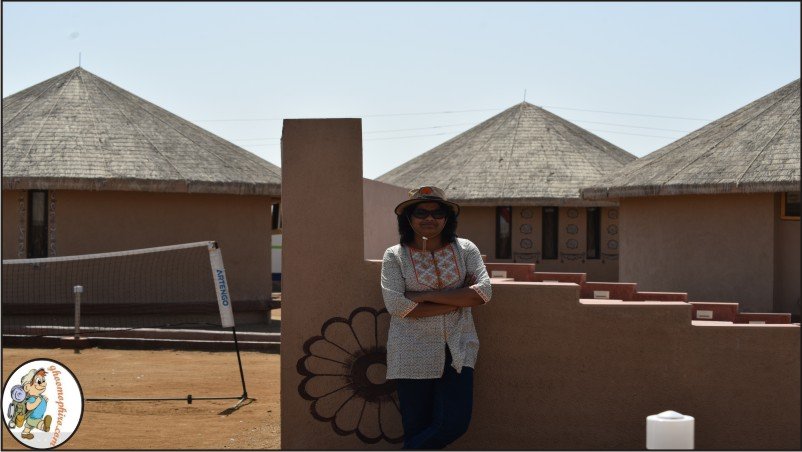
The main attraction of White Rann is its luxurious tent life. Living here at White Rann resort, Dhordo gave us plenty of opportunities to explore Kutch and enjoy its beautiful culture and breathtaking beauty. The tents have everything to ensure a comfortable and luxurious stay. Along with a twin bed, it has a coffee table with chairs. Hot water is readily available, not that we needed it. The tent was air-conditioned and also had a mirror table. The basic toiletries were given to us along with a complimentary bottle of water every day. There was also a goodie basket that we were provided with upon arrival. The tent itself was quite cozy and spacious enough to walk around. It was kept clean and in hygienic conditions which can often be the real problem with living in tents. The tents are traditionally-designed but with all the modern amenities. It had an attached bathroom along with a private sit-out space. The resort itself was as pristine as the sand of Rann and just rejuvenated us during our stay here.

Dining Experience:

The food here, with its traditional flavors and good quality, was a delight to our taste buds. The food was catered by Courtyard by Marriot and was delicious. More than that, the serving staff was also very nice and hospitable. The staff handled everyone courteously. The food cost was included in the package and we had 3 buffet meals (breakfast, lunch and dinner) along with tea. The food also included many local dishes, which we were excited to try out. And glad we did because they tasted amazing. Such lip-smacking Gujarati and Kutchi food stayed on our palate long after we had left.

Things to Do

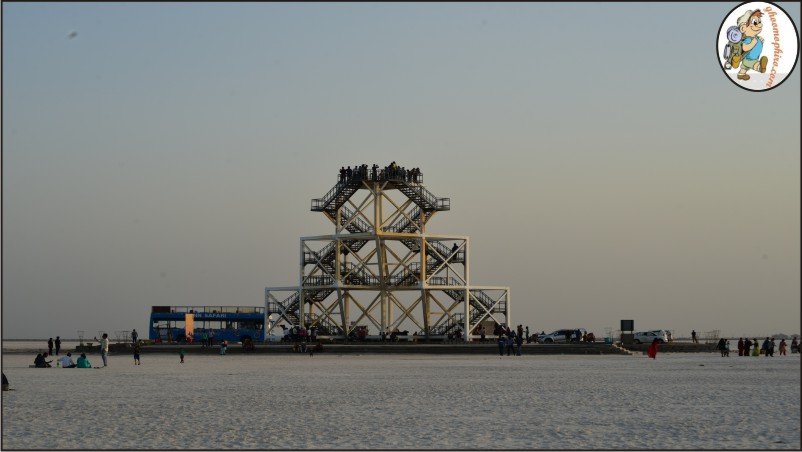
The Resort offers many excursions such as a trip to the White Desert & Kalo Dungar. A bus takes us there and we clicked some amazing photographs. Another thing included was a Rann Safari in an open-decker bus. We stopped around a lot, to do bird-watching. The resort also has some indoor sports which one can indulge in such as Table tennis, pool, Board games etc. There is also an adventure zone where one can opt for Parasailing, ATV rides etc. We went to something of a Craft Village which was a shopper’s delight with all these handcrafted pieces of art. The last day also involved a trip to Bhuj where we visited Swami Narayan temple, Bhujodi and Aiyna Mahal which turned out to be quite fun. And of course, if you decide to stay here during the Rann Utsav, it would be the most exciting and vibrant time of your life because you will get to see the festivities with such close proximity.

Highlights:

Apart from being right at the entry point of the white desert, making the resort accessible, it also had a recreation room, conference hall and dining hall. They gave cycles for moving inside the resort which was kinda fun. There was also a traditional dance and music show organized in the evening which made the stay even more memorable. We swerved to the melody and were enchanted by the dance moves.

Though there are many options for stay in Rann of Kutch, we recommend White Rann because of the ease and comfort with which we spent our time here. Along with great hospitality, there are many sightseeing opportunities and believe us, it is worth staying. The staff was very helpful and cooperative but the best part had to be the view of the sunset and the night walks beneath the moonlight. All in all, it is the perfect place to stay on your trip to Rann of Kutch.

Categories
Asia Culture Festival

When Shopping and Travelling goes Hand in Hand in these festivals

Do you want to feed the traveler as well as the shopaholic in you at the same time? Time to plan an overseas trip according to the following shopping festivals that are some of the best ones held around the world! The savings from the heavy rebates are surely going to make your travel worth the expenditure and definitely not a big hole in your credits cards .

When attending such festivals it is recommended you carry a Forex Card or Debit card rather than cash.

Dubai Shopping Festival

Organized for the first time in 1996, Dubai Shopping Festival has been going on since then annually for about a month from January to February every year. Congruent with its slogan ‘One World, One Family, One Festival’, people from all around the globe go there to experience the extravaganza. It is famous for grand product launches, sports and cultural events, huge discounts and several music concerts, and it has something to offer for every age group. Electronics, perfumes,  gold, carpets,  spices, textiles, cosmetics, dry fruits, gold jewelry, watches, clothes, and leather are the things to look out for in this shopping carnival.

Hong- Kong Shopping Festival

In tandem with this shopping festival, the Hong Kong Tourism Department holds a tourism festival which makes it a perfect opportunity for foreigners to satiate their traveling as well as shopping appetite. One can get a good bargain at the shopping festival which goes on annually from June to August. A range of entertainment events like the traditional lion and dragon dances and fireworks shows take place along with the sale of a variety of products like cosmetics, diamonds, apparels, handbags etc . at discounted prices.

 The Singapore Sale

Organized by the Singapore Retailers’ Association, the Singapore Sale takes place in June and July. This festival is not all about shopping; it comes with rebates as high as 70% on beauty and wellness deals, hotels, restaurants and drinking places too.  Only at this time of the year is shopping in the late hours of the night allowed. Therefore, electronics, beauty and wellness deals, apparels, optical, food, beverages, toys, and watches are the things to seek during the sale period.

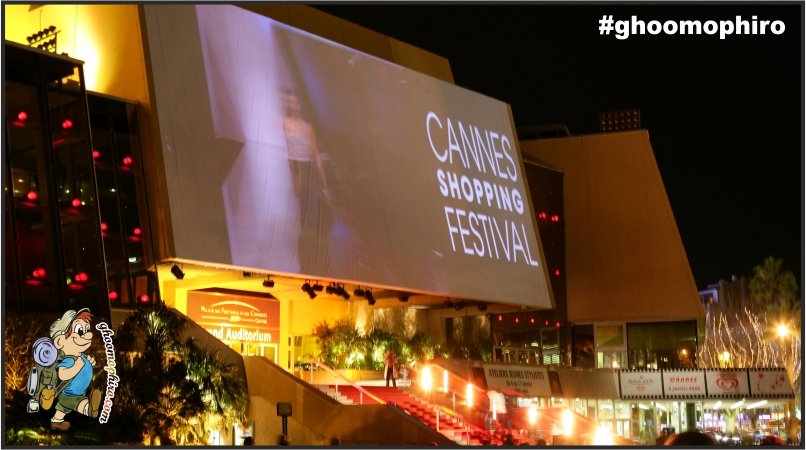
Cannes Shopping Festival

Also called as Palais des Festival, Cannes Shopping Festival draws well- known fashion experts and elite people from all around the globe for 4 days to Cannes in April.  Celebrity designers use this platform to showcase their latest work, so it is a great opportunity for fashionistas from corners of the world to grab designer clothes and accessories at discounted prices.

 Istanbul Shopping Festival

Turkey gives a tough competition to the much acclaimed Dubai Shopping Festival by organizing its own in Istanbul every year which offers unmatched deals and a wide range of products in a plethora of malls and streets. During the festival, apart from the shopping malls, historical places too close late by 2 hours than usual. Music concerts, street performances, fashion shows, etc. take place along with it. High-quality textiles, silk scarves, organic cotton, fabrics and linen, art and antiques, jewelry,  handmade shoes, ceramics, furniture and hot Turkish labels are some of the items that are not to be missed in the shopping carnival.

Start planning your budget now, and satiate your shopaholic’s nerve.!!

Categories
Corporate Outings Culture Deserts Itinerary North India

48 Hrs in Jaipur via #ghoomophirosisters’ lens

The pink city ‘Jaipur’ is a traveler’s delight and no one call their trip to Rajasthan complete without staying in Jaipur for at least two days. Jaipur doesn’t only represent the beauty and grandiosity but is actually Rajasthan’s symbolic state.

The royal Rajasthan exists in its truest form in this city, still preserved after all the years. We the #ghoomophirosisters got a chance to first-handedly see this grandeur during one of our backpacking trips and had a close look at the city’s beauty. We took flight from Delhi to Jaipur. We chose to stay at Radisson Blu, Jaipur.  So while you visit the city, here are a few recommendations from our experience to help you explore :

Must See:

Hawa Mahal: This widely recognized facade of red and pink sandstone Hawa Mahal or Palace of Winds is Jaipur’s most iconic landmark. Within the hidden chambers of this palace, the royal women would often observe the street secretly, and it was all possible through the latticework openings of the palace. This five-storeyed palace is designed in a pyramidal style, as an example of Mughal architecture and its finesse.

Nahargarh Fort: Nahargarh Fort is a striking piece of architecture built on the edge of Aravalli hills. The was a summer palace for the royal families and the fort has a main palace inside it called Madhavendra Bhawan. Apart from it, there are nine other living spaces with the fort that are double-storeyed. Not only are the views from Nahargarh Fort of Jaipur city breathtaking, but it is also connected to Jaigarh Fort. The marble engravings and royal frescos on this fine example of Indo-European architecture are also visible on the interior walls.

Amber Fort: The undeniably charming Amber Fort is set on a hilltop. Both the size and structure of this 15th-century fort are impressive. The path to the fort lies passes through imposing ramparts and cobbled pathways, leading to its gates through which it can be accessed. The Mughal style architecture is visible through its golden frontage combined with elaborate interiors. The ornate archways lead to chambers that have mirrorwork ceilings and hand painted walls and are expansive in size. You can visit the ‘Diwan-e-Aam, or ‘Hall of Public Audience’, the Diwan-e-Khas, or ‘Hall of Private Audience’, and also the Sheesh Mahal, the ‘Mirror Palace’ that are housed inside the palace. Do not miss the light and sound show that glorifies the splendid fort some more.

Jantar Mantar: Jantar Mantar is an astronomical observation site that witnessed the scholarly brilliance of the 18th century. This one of a kind UNESCO world heritage site has the world’s largest sundial along with 20 other instruments.

City Palace: City Palace is one of the Rajput style architectural marvel built by Maharaja Sawai Jai Singh.  Its design is complete with layers of chambers and halls. The royal family of Jaipur still resides in the palace even today and a portion of the palace remains inaccessible to visitors. But visitors may wander Mubarak Mahal, Diwan-i-Khas and Maharani Palace. A fine collection of artifacts are also preserved in the museum inside City Palace and the palace houses a temple as well.

Perfect Do’s

Visit an Elephant Camp: A privately owned forest and wilderness camp spread over 160 acres are situated behind Amber Fort. Mamy domestic animals, camels, and elephants have made it their natural habitat and visitors may ride on the elephant back to explore Aravali Forest. They can also ask about the caring routines of these gentle giants along with trying their hand at bathing them.

Shop for Local Handicrafts: Jaipur is brimming with local bazaars filled with things to buy. There isn’t anything you can’t find here, from clothes, shoes, handicrafts, jewelry to pottery, spices and home furnishings. And you’ll love them all. Get ready to loosen your pockets if you plan to visit one of the popular marketplaces like Baapu Bazaar and Johari Bazar.

Watch a Polo Match:  The upper echelons of society in Jaipur continue to patronize yet widely play the ‘game of kings’ polo. While it may be hard to get your hands on the invites to an exclusive polo match, the city’s polo clubs like Ramgarh Resort & Polo Complex or Jaipur Polo Club would let you watch a match, free of cost.

Block Printing at Anokhi Museum of Hand Printing: The age-old tradition of hand block printing is still preserved in Anokhi Museum of Hand printing which was established solely for the preservation of this art. This art is still practiced by most of Jaipur’s artisans. At the Anokhi Museum, you can witness the intricate workings of this art and get educated while block printing artisans are at work to keep this endangered art alive. The visitor can also buy these handcrafted merchandises that are locally made.

Best Eating Joints

Ghewar: LMB Bazaar in Johari is a popular eatery to try out this delicacy. It is a favorite among locals and tourists alike. Known to be a traditional Rajasthani sweet, it is circular in shape and deep friend, laden with almonds as well as pistachios.

Kachori: This sweet or savory fried snack has tea as its best companion. Pick up a box of pyaaz Kachori from Rawat ki factory while in Jaipur. This Kachori is one if their specialties and too delicious to pass up.

Daal Baati: Daal Baati is one of the most popular dishes of Rajasthan and most local eateries in Jaipur serve it. It is a dish of daal served with baati (wheat rolls). The best way to eat it is when it is served hot, seasoned with pure ghee.

 When to Go

During its three distinct seasons- Summer, Winter, and Monsoon, Jaipur experiences extreme weather.

October to March: Since the summer heat has disappeared by this time, it is the best time to visit Jaipur. While December and January may be extremely cold and dry because winter is at its peak at the time, the temperature is better in February and March. This pleasant weather would be the ideal time to enjoy your holiday.

July to September: High humidity along with the hot weather, this is the Monsoon season.

April to June: Summers in Jaipur can be brutally hot with the temperature rising up to 40C. May and June are the hottest months.

Getting There

By Air: Located approximately 12 kms from the city centre, in Sanganer is Jaipur international Airport. It is well connected to flights from all across India as well as a few international destinations like Abu Dhabi, Dubai and Muscat.

 By Road: Many Air-conditioned, as well as non-air conditioned buses, are run by The Rajasthan Road Transport Corporation from nearby towns and cities. The National Highways connecting Delhi and Gujarat make for a smooth ride if you are driving to Jaipur.

By Train:  The city’s largest railways station, Jaipur Junction has direct trains FROM major cities of India like Delhi, Mumbai, Chennai as well as Kolkata. For a truly grand experience, enjoy the scheduled stop in Jaipur by Palace on Wheels.

Getting Around

There’s no problem for transportation in Jaipur since both public and private transport is readily available. Take your pick among air-conditioned radio cabs, cycle rickshaws or local buses. Jaipur metro is still in its first phase of rapid transit system. It covers the track from Mansarovar to Chandpole Bazar which is 9.6 Kilometres

What to Pack:

  • The temperature may rise up to 40C so carry lightweight cotton clothing in summer.
  • Mosquito repellent, sunhat sunscreen, and sunglasses are the basic essentials along with a good pair of walking shoes.
  • Winter can be brutal and temperature can drop to 4C. Pack a Jacket for harsh winter nights.
The royal life experience awaits you in Jaipur. Like the city’s warm and blushing hues, embrace the architecture, fine cuisine, and hospitality of people.

So when are you packing your bags to Jaipur!!

Categories
Central India Culture

Village Walk to Rancha

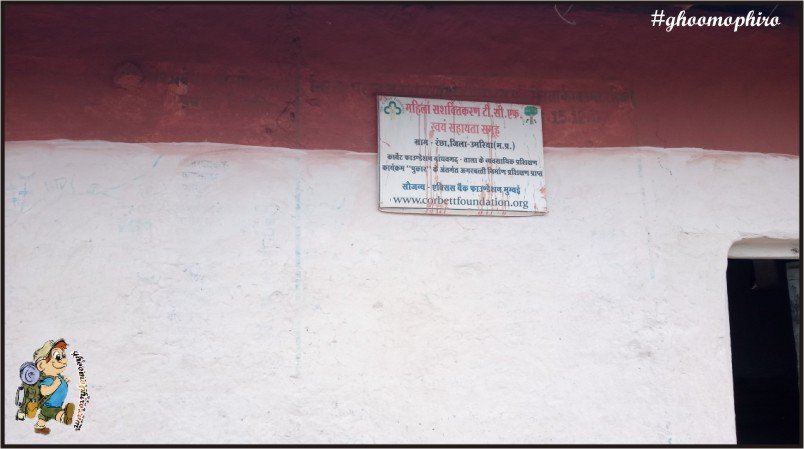
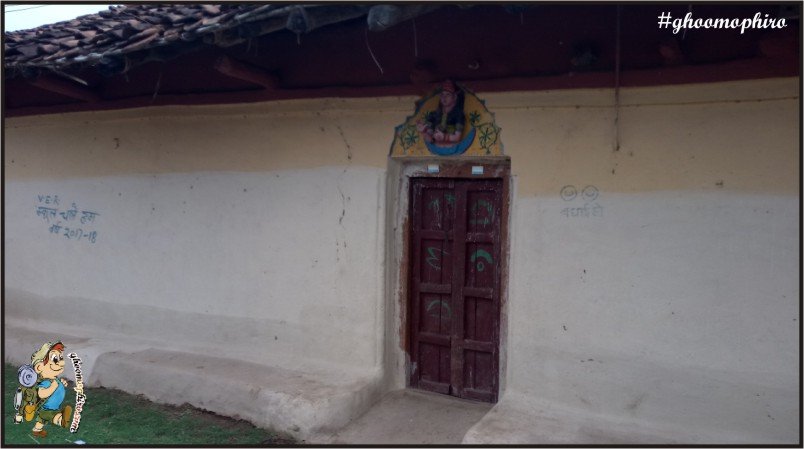
During our stay at the King’s Lodge by Pugdundee Safaris in Bandhavgarh, a village walk was arranged. Barely a kilometer away from the lodge, we reached a uniquely traditional and secluded village Rancha. Firstly, we were surprised to see how desolate the place was not a soul in sight. Then, we were taken to a villagers’ home. There we saw intricate artwork done above the doors. We were in awe of the beautiful designs and what trumped even that was, getting to know that the males in that household did the work. That made us look at the colours and designs in a new different light. The stuccoed work looked incredible. This small video will surely let you believe how interesting was our walk to village Rancha.

That talk with the family was a delightful and refreshing experience. It taught us how open and friendly village people can be when you show genuine interest. All you must do is respect their traditions and be polite.

After a little while of walking around and meeting other villagers, we discovered that the place was not as desolate as we had imagined but it was the heat that kept people from wandering outdoors. We met other people as well, like a lady who ran a shop there. The shop had an adjoining room where she lived with her family. Some kids showed up from the nearby school to buy sweets with their pocket money and it was an adorable sight.

The kids were incredibly talkative once we sat down to talk to them and a charming smile was all it took to make even the shy kids become extroverts. We visit some other homes and the people welcomed us with warm smiles. Though some of them were camera shy, others did not hesitate in posing for a photo.

We saw some dome shaped temples upon entering the village and creative decor all over the homes of the villagers. Blue seemed to be one of the more popular colours. The smiling faces of all the people and the earthly atmosphere all around instilled us with humility and even the water that we drank tasted better. There were various government run health programs too.

The only thing on should know before visiting Village Rancha is that you should act respectfully and responsible tourism is needed while visiting homes of the people. Take your shoes off before entering the homes and don’t be rude. If you are just visiting to take pictures, then this is not the place for you.

Thank You Pugdundee Safaris for an awesome experience

Categories
Architectural Corporate Outings Culture Historical North India

Tryst with Chittorgarh Fort

Chittorgarh Fort popularly known as Chittor Fort is the Pride of Rajasthan. It is one of the largest forts in India and counts as a World Heritage site. It is spread over an area of 691.9 acres over a hill that is 180m in height. The fort is of great historical importance as it was ruled by the Mewar Kingdom since the 7th century. During the rule, there have been three prominent attacks on the fort by Muslim rulers such as Allauddin Khilji, Bahadur Shah and Akbar. The entry of the Chittorgarh Fort is by crossing four gates called ‘Pol’. The main gate is known as ‘Ram Pol’.

What makes Chittorgarh Fort so different from the rest of the forts in Rajasthan is that the build of the fort is pure Rajputana and there is no Mughal Art mixed with it. The architecture and even the stones tell the story of the great Mewar. Unlike Jaigarh Fort or Ajmer Fort, the palace is not in pristine conditions. In fact, most of it seems like nothing but a glorified ruin but those ruins tell the stories of great war and bloodshed. During those times of attacks, firstly by Allauddin Khilji when he defeated Rana Ratan Singh, the fort suffered great destruction and the soldiers lay down their lives trying to protect their kingdom. It is believed that Khilji led the attack in order to make Rani Padmini (wife of Rana Ratan Singh who is believed to be the most beautiful queen of Rajasthan) and make her join his Harem. When it was clear that there was no way to victory, the queen along with other royal women and some commoners decided to accept death as their fate instead of bowing down to some other ruler and facing the dishonour of defeat. They preferred to die in the Rajputana way of Jauhar (dying on a pyre by jumping into the fire). Again with the other two attacks, the walls of the fort heard war cries of soldiers and the echoes of women folk were heard as they took their own lives. Well, ultimately no matter how many times they were defeated, the fort was won again by Mewar rulers.

There is also another Mythological importance of this fort related to a popular figure ‘Meera’ who was a saint in love with Lord Krishna and who spent her life devoted to the same. She believed Lord Krishna to be her husband and there is a temple called ‘Meera Temple’ within the grounds of the fort where she used to chant hymns, dance and worship Lord Krishna. It is said that this is the same temple where she totally submerged herself into holy matrimony with God.

Another part of the fort is the Vijay Stambha (Victory Tower) which has nine-storeys and is 122 ft tall. It was used to keep an eye on the enemy’s army. It ensured their victory in many attacks and therefore was named Victory tower. Among the premises of the fort, there is also a Jain temple and a Peepal tree has been planted. The tree itself is of great importance as it is said to give relief to the many wandering souls in the fort. With such atrocious deaths that occurred between those walls, it brings a sense of calm to the place.

Located nearby is Fateh Prakash palace that was built by Rana Fateh Singh. From there, The Gaumukh Reservoir is visible which offers a picturesque view.

In the end, I would like to add that Chittorgarh Fort is an important part of the History of Rajasthan and anyone visiting there should absolutely walk among those walls.

Categories
Culture North east Tribal

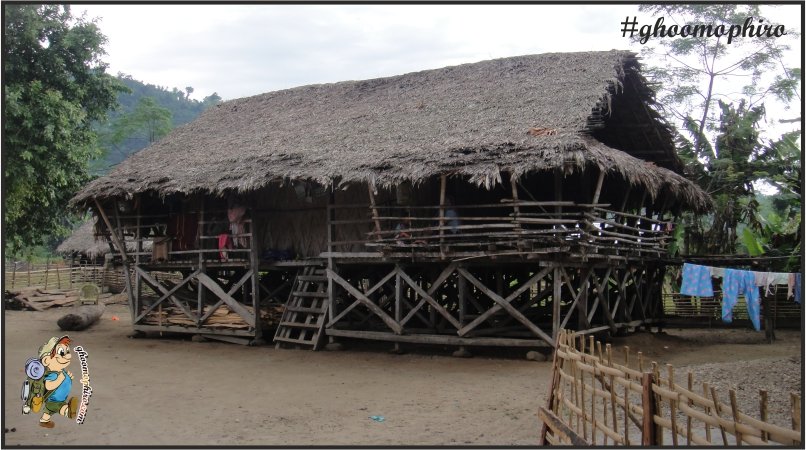
A peep into the lives of Galo Tribe, Arunachal Pradesh

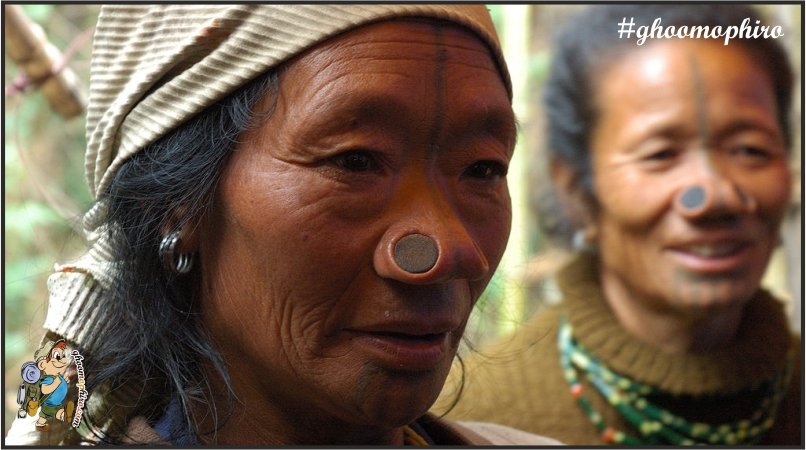
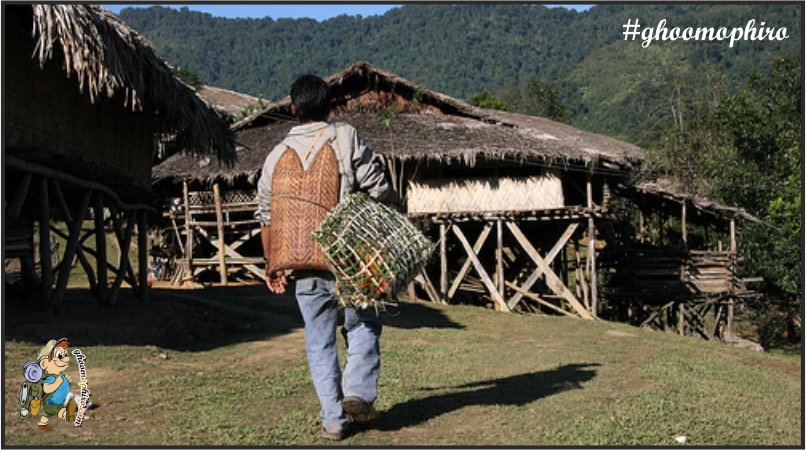
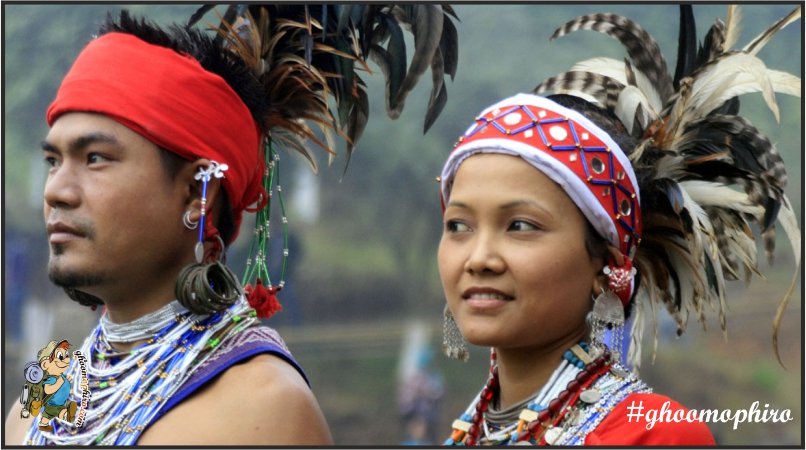
The diversity of India gives it a unique identity. It is so well absorbed in every aspect that we can feel it developing on the surface of our souls. One such exotic aspect of Indian diversity is the Galo Tribe from Arunachal Pradesh that exudes a variety of colors in different shades and textures.

A large chunk of tribes in the majestic Arunachal Pradesh is occupied by Galo Tribe. In some areas of the state, they are also known as Duba, Doba, Dobah Abors, Galloing Abors, and Galong. Galo tribe has been listed in the Indian constitution as a separate tribe or scheduled tribe by the name of Galong. The efforts are being made to change the name to Galo by the community.

Demographics

According to the census of 2001, the total population of Galo community is 80,597. They are found in West Siang, southwestern side of East Siang, southwestern side of upper Subansiri, lower Dibang Valley, and Changiang Districts of Arunachal Pradesh. Shifting cultivation was primarily practiced by the tribe before 1960. However, the government introduced Wet Rice cultivation and terrace cultivation soon as a part of a development program in hilly areas of the state. Wet Rice cultivation is the main cultivation style in the state besides Jhumming Cultivation, which is still practiced by the tribe.

Galo is the first language of more than 95% of the population of the Galo community. Most people from the community are bilingual with proficiency in languages such as English and Hindi.

Christianity has seen a major rise in the past few years. However, Donyi-Polo religion is mostly practiced by people here.

Language

Galo is the first language of the community, which is often referred to as Tibeto-Burman language derived from Western Tani-Branch. Genetically, the language is closest to Nyishi, Tagin, and Bokar language of Tibet China. Galo and Minyong languages have converged structurally so much so that people have started believing that Galo is a dialect of Adi language.

Festival

 Galo tribe has a distinct culture. It celebrates a number of festivals throughout a year with joy. One such religiously important festival for the tribe is Mopin that is celebrated by the community only. The festival is celebrated every year to ward off evil spirits that bring bad luck to the community. People of the Galo community pray during this festival so that natural calamity of any type does not hit them. They believe that doing this allows them to live their lives peacefully.

Rituals

Mopin festival is celebrated in the month of April (Lumi, in Galo language) every year. The main objective of celebrating this festival is to attain prosperity, gaiety, wealth, and universal happiness. People smear rice power at each other’s faces during the festival. Animal sacrifices are considered sacred and are important rituals of the festival. Mithun is an auspicious animal in the community. Hence, they are preferred for sacrifices.

One of the most iconic rituals of the festival is its folk dance. All the dancers wear their traditional costumes with multicolored beaded ornaments. People celebrate the festival with good food and rice wine.

Categories
Culture Tribal

Bastar, Face of Tribal India

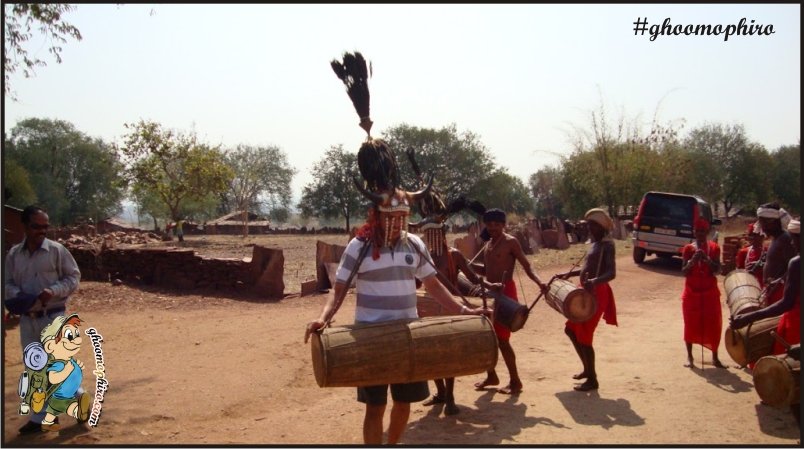
About one third of the total lands of Chhattisgarh are covered with dense forests. And in those deep forests, there are some tribal people, who happen to be largely unaware of what the world looks like outside the forests. Some people belonging to those tribes have somehow peered their way into the more mainstream civilization and it is believed that over 70 percent of the total population of the state is tribal people.

Their lives has been seeped well into their ancient traditions and culture and visiting the places could be one of the most rewarding experience any travel junkie can have. Below is an insight into the different tribes dominating the lands of Chhattisgarh.

Gonds- Gond tribal people, who also call themselves as Koytorias are the most dominating and largely populated people in the state. They are spread across the entire state but southern Chattisgarh’s Bastar district is their primary home. The literal meaning of the word Gond is hill, these people are also known as Hill People. The people of this tribe speak Gondi which belongs to the Dravidian family of languages and relates to Tamil and Kannada. Like many other tribes, Gonds worship a high god known as Baradeo, who has alternate names such as Bhagavan, Sri Shambu Mahadeo, and Persa Pen. Many Gond festivals are connected to agriculture. Pola, a cattle festival, and Nagpanchami, the snake festival, are very popular.

Stick dancing is a Gond custom undertaken by young people, where bands of young people travel from village to village, dancing, and singing. The dancing is regarded as a religious duty and also an occasion for fun. Gonds are protective in nature towards pregnant women and protect them against spells and evil influences, thus performing several rituals after a baby is born. How they welcome their visitors is quite inspiring in itself. Gonds use dried tobacco leaves, fruits, or other small gifts to welcome their visitors. Many villages also have guest huts.

Abhuj Maria– This tribe happens to be one of the oldest tribes in Chhattisgarh who still follows by its rules and traditions. Settled in Abhujmar forests, they are isolated tribal people who have had little contact with other social communities and are known for their aggressive nature. They are cut off and rather hostile to the modernistic adaptations other tribes have witnessed over the years. They don’t like to cover themselves in anything and are largely dependent only on the lion cloth to cover themselves. This tribe mainly resorts to hunting for their survival.

Bison Horn Maria- These people are also known to evolve from the Gond people themselves. They are spread across some parts of Madhya Pradesh and Maharashtra as well. The name they got is attributed to the headgear that they wear, which somehow resembles horns of a bison. Although that headgear is put on the heads during the special occasions such as marriages, it is enough to distinguish them among the other tribal people in the region.

Muria- Muria tribal people also form a great chunk of the overall population of the state of Chattisgarh and Bastar district. Their native home is the jungles of Narayanpur tehsil. Muria people are known to be quite broadminded people and their economy is primarily agrarian. Rice cultivation is their favorite occupation and in the recent times, they have started sending their youths to the outside cities for better education.

Halbaa- Halbaa people are known to be peace loving and honest to their core. Agriculture is their biggest occupation and they are well respected and popular people. They have a great reputation to be one of the most progressive and contemporary tribal group. They speak Oriya and Marathi primarily along with Chhattisgarhi and their customs and traditions reflect the progressive nature of them. They also speak the Halbi language, an Indo-Aryan language which is written in the Devanagari script.
The tribal people of Bastar are as fearful as they are peaceful. Living in an isolated land, they somehow have managed to survive and are continuing to do so.

Exit mobile version