Categories
Central India Culture Tribal

This is what you donot know about Baiga Tribe

India is a home to many tribes and Baiga is a tribe found Madhya Pradesh, Uttar Pradesh, Jharkhand, and Chattisgarh. With its population of about 250000, they live in thick woodland areas. In Madhya Pradesh, they are spread over in Mandla, Dindori, Shahadol, Balaghat and Umaria. we find tribal life quite interesting as their lives are free from the materialism that has been rotting this world. Baiga Tribe was a source of curiosity for me so we hunted down some information. Here are some interesting facts about Baiga Tribe:

Simple life: Baigas believe themselves to be heirs of the earth and rulers of woodlands. Yet still, they live a simple and straightforward life. Their homes are not adorned; they do not wear any ornaments. It is truly a simple way of living.

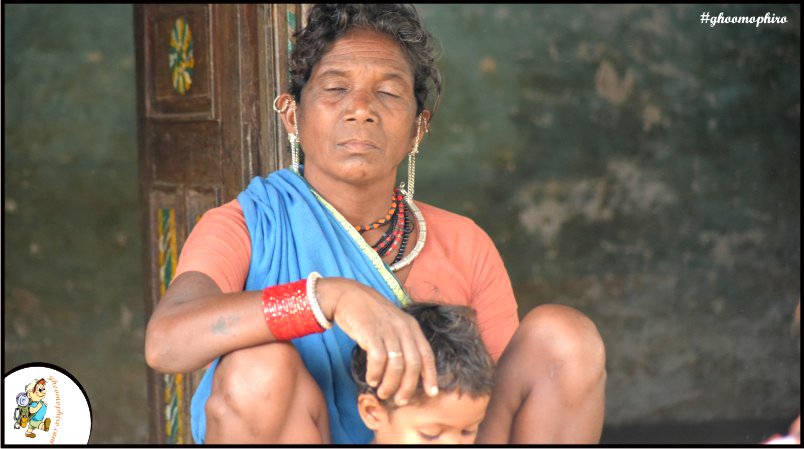
Tattooing: Tattoos make up a huge part of their culture. Baiga women have every body part tattooed with big elaborate figures. Upon asking, they revealed that this art has been passed down to Badi-Badanin group who do the tattoo work. They know the types of tattoos demanded by each tribe and have learnt the art from their mothers and would surely pass it down to further generations as well.

Shifting cultivation: The people of Baiga tribe never plough the field as they believe it would be similar to hurting the breast of their mother. They do not plant crops on the same patch again to give mother earth time to replenish the energy. Baigas practice ‘Swidden’ agriculture and it is known to be an effective device for conservation.

Laborer: The hunters and woodsmen of Baiga tribe considered themselves as people of the forest who lived there, survived on the produce of the forest. As such, they refused to work for the government or any other person as it would reduce them to the level of a laborer.

Coarse food: Baiga eat food in coarse form like coarse grain. They also eat little flour and drink pej. Pej is made from grounding macca or water left after boiling rice. They also find food from the forests and eat Peepal, Gular leaves etc. Some fruits such asJamun, Tendu mangoes and delicacies like mushrooms also form part of their diet.
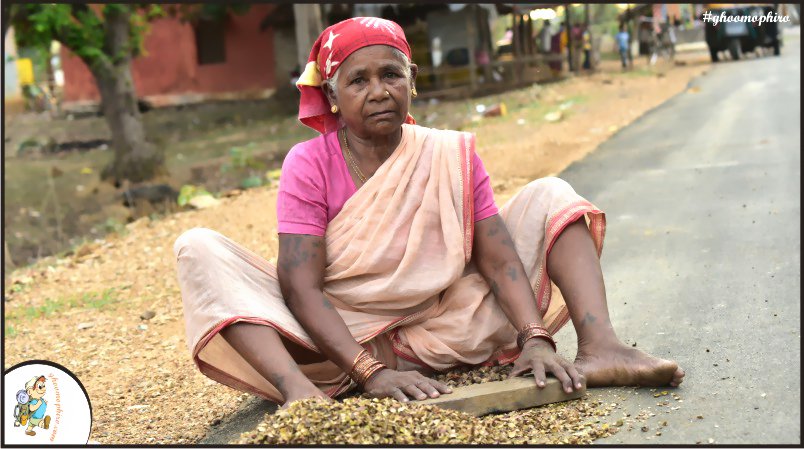
Eviction: These tribes have suffered from threats and they have even been forcibly evicted by Indian authorities since 1960s. The main reason given is to protect the wildlife and tiger populations but as a result, these communities become a victim. They get displaced and we must understand the plight of these traditional tribes of our country.
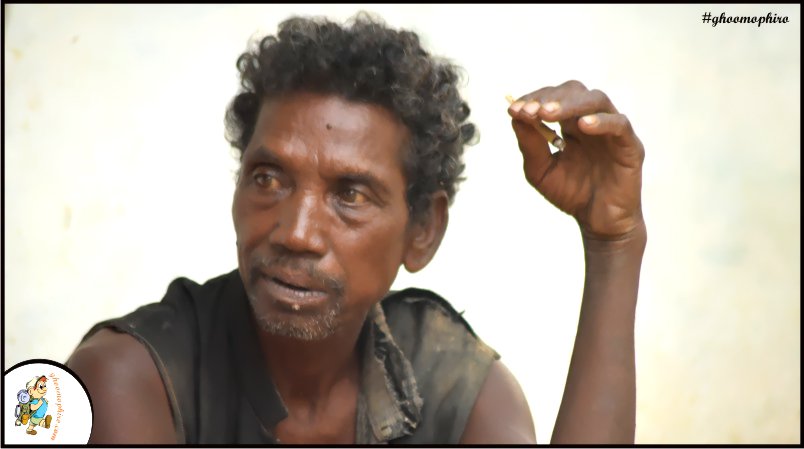
Hunting: They mostly hunt fish and small animals for food. Their impact on wildlife is not as troublesome as some people make it out to be.

Language: Though most Baigas interact with outsiders in Hindi and they have also picked up few local languages. Among them, they talk in a language called ‘Baigani’. It takes its style from Chattisgarhi and is also influenced by Gondi language and mostly the tribesmen from Mandla district have adopted it as a language.

These tribesmen and women of Baiga tribe practice semi-nomadic culture and we must pay attention towards preserving these cultures as they make an important part of our diverse country. Our country is a secular one as such everyone is allowed total freedom. It is not right to forcibly evict these tribes from their homelands. Even though, incentives are provided like that of money and alternate land, these often turn out to be lies and the tribes end up with nothing even after losing their territories.

Categories
Corporate Outings Culture Staycation Travel Trends

8 exceptional homestays in India every avid traveller should stay

India is an exceptionally beautiful country and one of the best qualities about Indians is their famed hospitality. “Athithi devo bhav”, is what we are known for. There are countless magnificent homestays in the country but there are a few that stand out among the rest in terms of facilities, location, and hosts.

Shahpura Bagh, Rajasthan- In case you are willing to spend some extra on the homestay experience, look no further than the luxurious and royal Shahpura Bagh. This magnificent property served as the summer residence of the rulers of Shahpura. Located at the exquisite Rajasthani countryside is a haven for the luxury homestay.

Kannur Beach House, Kerala- The beach house in Kannur happens to be located on the far northern side of Kerala, the most beautiful state in the country. The traditional style home has coconut trees right beside and the sweet smell of ocean coming from Thottoda beach just makes the experience far more amazing.

Fort Rampura, Uttar Pradesh- In this 700 years old fort in Lucknow, the homestay experience is one grand feeling you have as you wake up feeling like a royal. The homestay only has three guest rooms available but the ancient rugs, furniture, and the artifacts make the experience far beyond bizarre and beautifully surreal.

The Homestead, Corbett, Uttarakhand- The Homestead is categorized as a premium farm stay which lies in the shadow of the Himalayas. The 150-acre farm bordering the Corbett National Park (13 km) offers an experiential stay experience. The excellent services provided at the place make it feel more like a resort than a homestay. The great adventure sports and engaging in fun farming adds up greatly to the overall staying experience.

Vembanad House, Kerala- A place surrounded by three sides of the still water, it sounds like a dreamy place. Yes, it is! Located beside the Vembanad Lake, around the magnificent Kerala backwaters, the place is filled with traditional wood furniture and artifacts taking you to back the bygone era.

Thippanahalli Homestay, Karnataka- The magnificent red mansion located in Chikmagalur has a built up area of 11000 Sft. with 28 rooms. The place was built in 1934 and has stood since then in all its grandeur providing the tourists with the best home staying experience they can have anywhere.

Hidden forest retreat, Sikkim- This one located in Gangtok, Sikkim is especially for the ones who are nature lovers and peace seekers. Located just about 2 kilometers away from the state capital Gangtok, the place is spread over 3 acres and is brimmed with the exotic surroundings full of flowers, trees, and greenery.

The Bangala, Tamil Nadu- The Bangala, Tamil for ‘Bungalow’ is one of the oldest mansions located Deep South of the country, in Karaikudi. Brought into existence in 1910, the place used to cater to the VIP guests in the earlier days. In 1998, it was converted into a homestay and caters to the visitors and guests since then. The place has 25 air conditioned guestrooms and the brilliant surroundings make it one of the most sought after homestay places in the country.

The concept of homestay has its own set of great advantages, as you get to spend time with locals and These places provide the best homestay experience along with some added luxuries. Do give them a try!!

Categories
Corporate Outings Culture Itinerary North India

The Venice of the East “Udaipur City”

Rajasthan speaks of royal hood like no other place in the country. A home to Nawabs and Rajputs, who are known to be quite colorful rulers, have given the state so much to preserve that it still remains unmatchable. Talk about the forts, palaces, and temples, everything is mesmerizing. One of the most historic cities in the state is Udaipur. Udaipur is the reason why the tourists make their trip to Rajasthan longer than they plan. There has been much said and written about the place but there is still a lot that remains unexplored. Here we present to you some charming things about Udaipur that you must not forget to visit on your next trip to this rugged beauty of a state.

City Palace-This royal place is located right in the heart of the city. Entrance to the place is done as you pass through the Hathi Pol, elephant gate. This is a massive palace and it may take you about 2 to 3 hours to take a complete round of the place. Keep your mouth closed as you witness the man-made the masterpiece with your naked eyes. There are many cafes available in the palace serving great cuisine. Some of the best-known cafes are Grasswood Cafe, Cafe Satori, CafeRA, Yummy Yoga, Udai Art Cafe, Espresso Love Cafe, Brewmen and Cafe Edelweiss.

Bagore ki Haveli- This marvelous structure got itself built sometime in the 18th century and it has stood here since then in all its grace, tempting the tourists to visit it again and again. The Haveli happens to be set on the edge around the Gangaur Ghat. The place was built by a Mewari prime minister about 200 years back and after that, it got restored by the government since. The place has been preserved quite neatly.

Boating in Lake Pichola- The boating in the sweet lake is one of the many things that are unforgettable about the city. On the mirror-like crystal clear surface, the lake reflects the cool blue and grey mountains that stand nearby. The boating experience becomes far more exotic when you have someone special to accompany you.

The Fateh Sagar Lake

Fateh Sagar Lake is an artificial lake in Udaipur, the first being Jaisamand lake. It is built by Maharana Jai Singh, with Moti Magri hill at its one side and Udaipur city on another side. The beautiful picturesque lake was named after Maharana Fateh Singh, who later made the modification to this alluring lake. The charming widespread water sheet is bejeweled with three small islands. The travelers can reach there by taking a boat ride in the lake. The Fateh Sagar Lake has 3 islands. The largest among the three islands artificially made on the lake is a beautiful park named Nehru Park. The garden has a boat-shaped restaurant and a small zoo for children. It is a favorite picnic spot of Udaipur dwellers.

The second island is a public park with excellent and ravishing water-jet fountains and the third island is named as Udaipur Solar Observatory. The calm and soothing surroundings of Fateh Sagar Lake make it the best and an ideal place where people can recharge their minds and enjoy the scenic view of the lake.

Jag Mandir- Does the name of the place ring any bells? International pop star Katy Perry got hitched to the comedian Russell Brand here in a grand ceremony. This place is located on an island in the lake Pichola and stays crowded almost all the time due to the heavy crowds coming here to visit the temple.

Dine in beautiful Taj Lake Palace

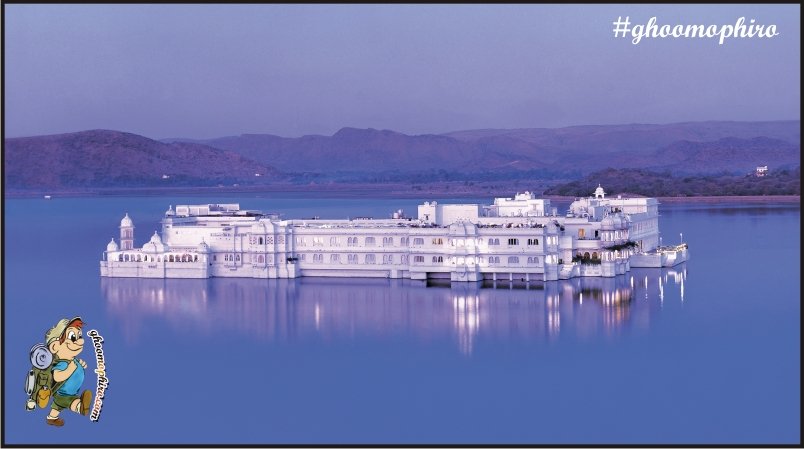
Prince of Udaipur, Maharana Jagat Singh 2 was known for his lavish lifestyle and romantic nature. In order to fulfill his luxury and fancy desires, in 1746 he built a palace on the Lake
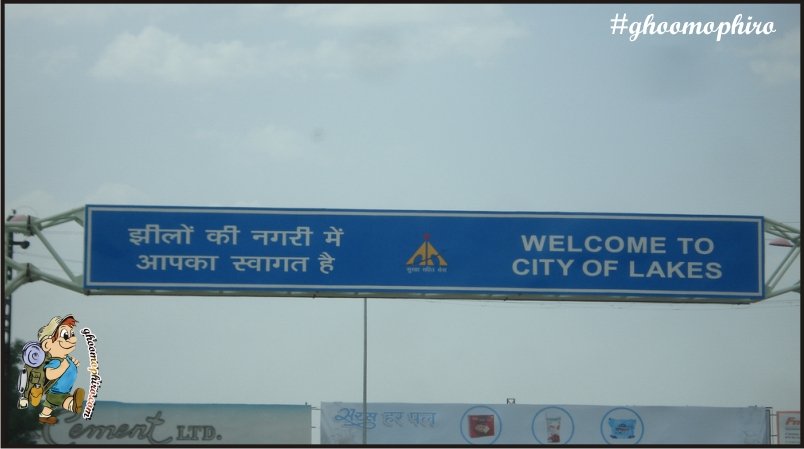
Pichola for his pleasure, which he named “Jag Niwas”. The beautiful picturesque palace is now one of the most famed romantic hotels across the world, which is famous with the name “The Taj Lake Palace”. If you are paying a visit to the city of lakes with your better half, then this alluring amorous destination can act as a cupid in your life’s chapter.

Travel Tip

The best time to visit  Udaipur is in the months of September, October, November, December, February, and March. At this time of the year, the temperature remains pleasant and enjoyable.

Udaipur is one of the most eccentric cities in the beautiful state of Rajasthan. The alluring city is also called as the Venice of the East, because of its culture, heritage, eye delighting architectures, palaces, serene lakes like, beautiful temples and resplendent gardens, has a lot to offer. If we talk about lakes the tranquil of Fateh Sagar lake and Pichola adds charms to this scenic place.There are many attractions at the place but what can we say, the less is more and the more is less when it comes to the true beauty.

Categories
Culture North India Spiritual Hubs

The mythological celebration that is Varanasi

Hinduism happens to be the most dominant of all the religions in the country, and Varanasi is the holiest of the holy spots for them. It has been there for thousands of years as the centre of holistic and religious practices, Varanasi is located in the North Indian state of Uttar Pradesh. A bus ride from Lucknow will take you here in a few hours of time, and you won’t even have enough time to pump yourself up for the great marvel of a city that you are going to witness.

The hot humid weather welcomes in the months of May-September which are deemed as the best for a visit to the place. As you set foot out of the bus into this wild dream of a city, you know you are in for something very beautiful and an engaging experience which you will take with you to your graves, no one can take that from you. The chaos in the city was exhilarating yet annoying. The economic conditions in the place are not among the best in the country, but beneath that mindless chaos, there is a soul in Varanasi that lies deeper. It touches on the places inside that you didn’t know existed.

The lifeline of the city is the Ganges, the holy river. That works as a two-edged sword, the excuse for the people in here to feel superior to rest of the country and it also provides them their means of living. Let’s explore the things about this enigmatic city that you may visit as you go in there to have an experience.

The Ghats- The highlights of the city, its lifeline for which Varanasi holds a special place among the Indians. Hindus believe that taking their last breaths on one of these ghats is the only medium of achieving true salvation from the cycles of life and death. Located along the banks of the river and spread through the entire city, these Ghats have become synonymous with the city.

Religious centers- Being a religious place, Varanasi has a lot of temples, mosques and other religious monuments within it. Some of the most mentionable temples are Gauri Matha temple, Durga temple, Kaal Bhairav temple, Nepali Hindu temple, Shri Kashi Vishwanath Temple and the Sankat mochan temple.

Chunar fort- Known as the oldest structure of its kind, the fort got built about 2000 years ago. This is a wonderful place for the ones who wants to explore the city beyond its religious nature.

Ghats – Look out for different ghats which come in the way across the holy river. Each of these ghats holds an own special place in the religious geography of the city. Visit Ganges River Varanasi to experience the Aarti Ceremony at Dashaswmedh Ghat. The Aarti Ceremony starts after sunset & the duration in the aarti ceremony is 45 minutes approx.

Boat Rides- The boat rides that take place in the sunset or the sunrise are eccentrically beautiful. Listen to the guide who will row the boat (in case it isn’t a motorboat though) as he tells you some wonderful legends about the place.

Shopping in Varanasi is a totally exhilarating experience in itself and Banarasi silk sarees form a crucial part of an Indian bride’s collection. Varanasi offers richly worked saris are known to have passed on from generations to generations.

To satisfy the hunger pangs, one can visit the Dosa Café located at Dasaswamedh Ghat. The special upma, and the variety of dosa’s are delicious. Niyati Café in Varanasi has fewer tables but once the food arrives, you’ll live it and relish every bite. You can try its potato curries, palak paneer and naan to please the foodie in you.

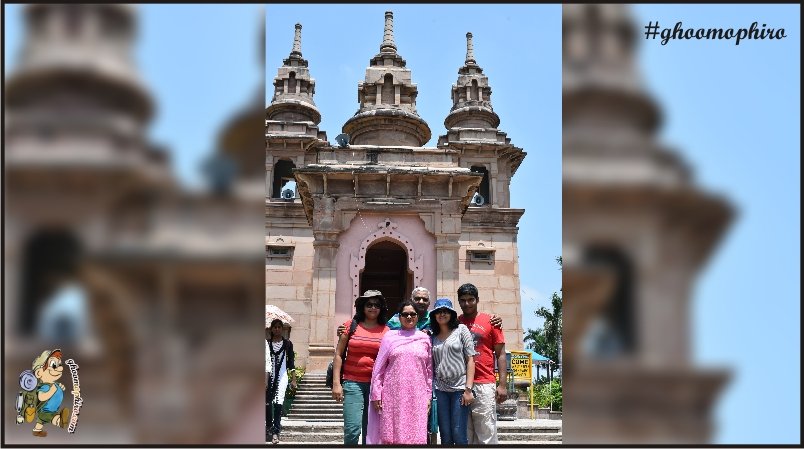
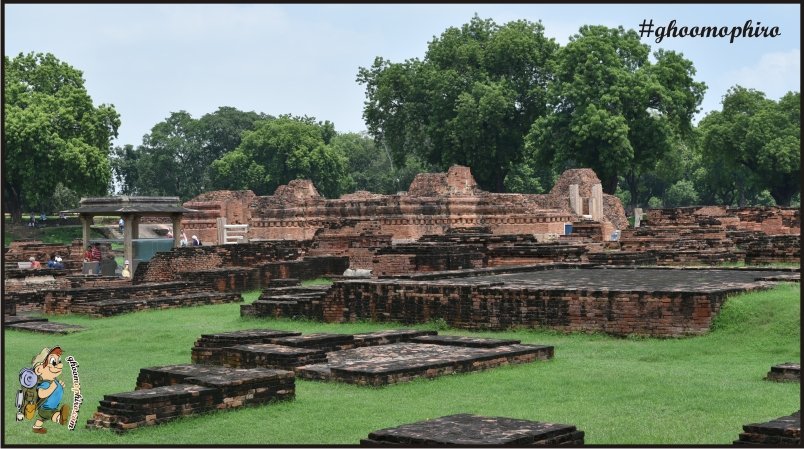
Sarnath located in the northern Indian state of Uttar Pradesh is 10 kms away from the holy city of Varanasi. Sarnath has been a world famous Buddhist site in Varanasi and is embedded with many Stupas worth visiting. The most pleasant time to visit the Sarnath temple is during October to March.

The most important Hindu Pilgrimage in the entire country, Varanasi is also a tourist’s delight, whether they are religious or not.

Categories
Architectural Corporate Outings Culture North India

The Amazing Golden Triangle

For the national and the international tourists who like to explore more of the northern India, the Golden triangle serves as a holy grail. It gives them a great glimpse into the ancient and the medieval Indian histories. The popularity of the great Indian Golden Triangle is so much that it almost gets as many tourists every year as the Himachal Pradesh, which happens to be the top tourist destination in the whole country.

The Golden Triangle basically covers three very important tourist destinations across north India, the National capital New Delhi, Agra and the Pink City Jaipur. Here we will give you a glimpse into how the 5-day tour to the golden triangle is usually divided.

Day 1- The tour takes off from the National capital New Delhi. The passengers get to see many historical places such as the Red Fort, the Humayun Tomb, Qutub Minar and many others. Delhi is the most historically significant cities in the country with many different rulers across the centuries making it their capital for their Pan India operations. The tour will also make the tourists have a glimpse of the Connaught place, the old Delhi, and some other important places.

Day 2- Leave for Agra in the morning. The journey is taken through one of the best Indian national highways. It’s a 4-5 hours drive and then you check into a hotel for some rest and relaxation. The day begins around 3 in the evening and you get to see the Agra Fort. Built by Akbar, one of the most important Moghul rulers, this is a marvel of architecture and elegance and gives away a majestic vibe. The great Taj Mahal is the next destination followed by Mehtab Bagh.

Day 3- The day will start with the sight of the Taj Mahal in its early morning glory. It looks more beautiful in the morning when the golden sun rays fall on the pure white marble. It is the perfect amalgamation of the man-made and the natural marvels. Move to Jaipur afterward and make a stop at Fatehpur Sikri, one other historic place with lots of stories to tell. Reach Jaipur by evening.

Day 4- The 4th day is dedicated to the Pink city of India, Jaipur. Amber fort is the first step to take in the morning which happens to be a former capital of the state, popular for its painted elephants. Hawa Mahal is the place you move to in the late afternoon. The city observatory is where you make a trip to in the evening.

Day 5- After the breakfast, it’s time to complete the triangle as you start your drive back to the national capital through the Delhi-Jaipur highway. Taste some delicious food cooked by the amazing dhabas on the way and by noon of the late afternoon, step back in Delhi.

However, there are many more places that fall the victim of the time constraints and gets missed. But still, in these 5 beautiful days, you amazingly cover best all three of the historical Indian cities.

Categories
Central India Culture

Cycling through the beautiful Sarrahiri Village

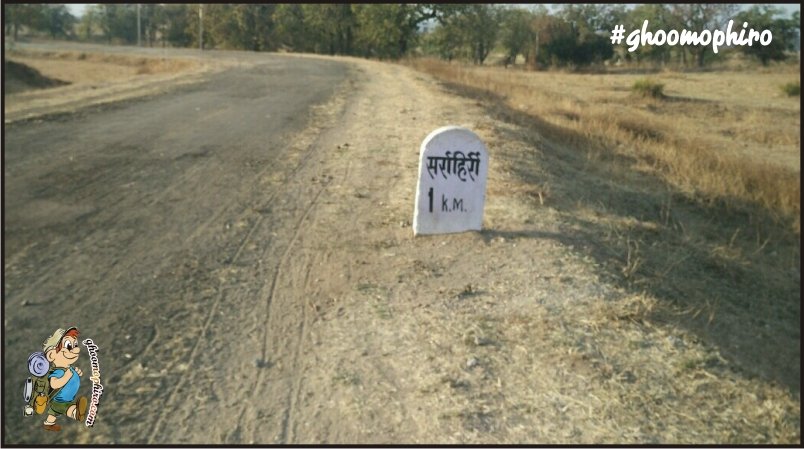
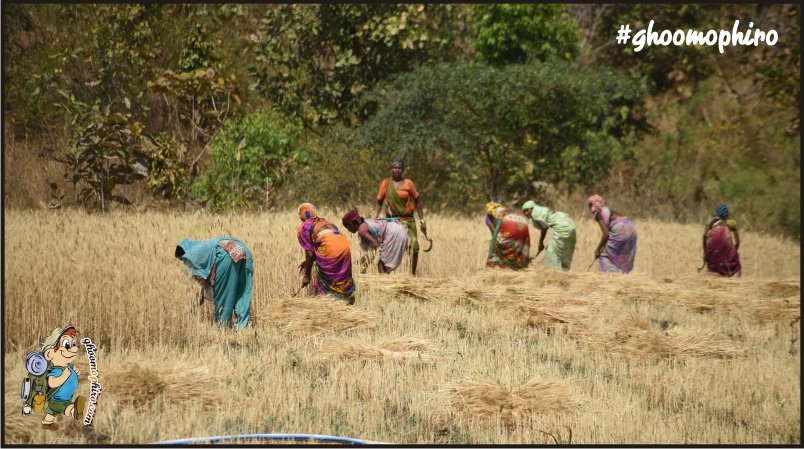
Early this year in March,  we #ghoomophirosisters were lucky to visit a small village in Madhya Pradesh called Sarrahiri. Thanks to Pugdundee Safaris to conduct this amazing walk for us. We happened to stay at Pench Tree Lodge, from where as part of their day activity went for a quick cycle ride to this neighborhood village. We started quite early in the morning and were overwhelmed with the open area on our both sides. As we proceeded, we saw villagers involved in their day to today activities. They were quite shy, but happy to interact and let us know more about their culture. The following photo blog is a short glimpse of what we could capture from our camera about the place.

It was just a km away from Pench Tree Lodge.

#ghoomophirosisters rode a cycle to the village early morning!!

By the road-side!!

Typical mornings in the village..Low slanting roofs and all huts are in blue-white colors.

Villagers busy in their day to day stuff.

Religious tree. It is assumed “Kuldevi of village” resides here.

Women working in Wheat fields.

Scare Crow Inside the fields!!

Another Temple at the end of the village!!

Categories
Culture Historical North India

Ropar- A Historical Treasure

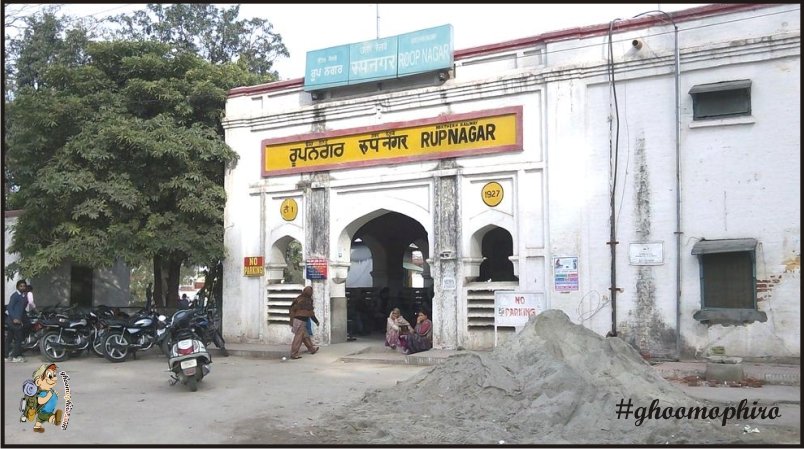
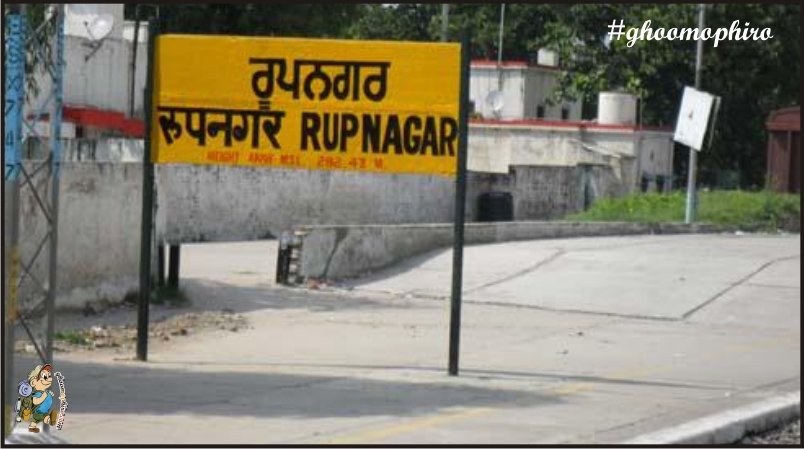
Lately, Punjab has been working on its tourism and the small town of Ropar (Rupnagar) which was previously unheard of is now a good place for history explorers and nature lovers to spend their time. We reached Ropar by bus from Delhi and it took approximately 6 hours. While we expected Ropar to be a rural slum with no facilities or good hotels whatsoever, the small town surprised us with its unexpectedly good hospitality. We stayed at Hotel City Heart and the facilities were well.

Recent excavations show that the Harappan and Mohenjo-Daro civilization lived prosperously in Ropar and there was also an inscription by Shah Jahan that was discovered in this wetland. So to satisfy our curious mind, we started the history trail at Archaeological museum of Ropar. All the extracted artifacts are displayed there in the form of pottery items, beads, jewelry, toys and Terracotta figurines. It is known that this area belonged to the Indus Valley civilization and the river Sutlej was used in their river system. But this takes you to the history of mankind, if you wish to know more about the history about Sikhism, then this next place we visited is for you.

Virasat-E-Khalsa and Anandpur Sahib were locations that mixed history with sacredness. They told the history of how Sikh religion was formed through pictures and tales. It was a clean and well-organised place and the building in itself was stunning. Then we got to see the cultural section and it varied from the popular festivals of Punjab to daily lives around Gurudwara. Then we see the real history of Sikhism along with the history of Gurus. The story is told by a recorded narrative that is a unique sensation in itself and a great way to learn about history.

We wandered around soaking in all the information and the beauty of the place for three hours and then stopped to relax at a Cafe nearby. We decided to skip ordering food in a restaurant and instead ate langar at the nearby Gurudwara. After all, if you are in Punjab, trying Langar is a must.

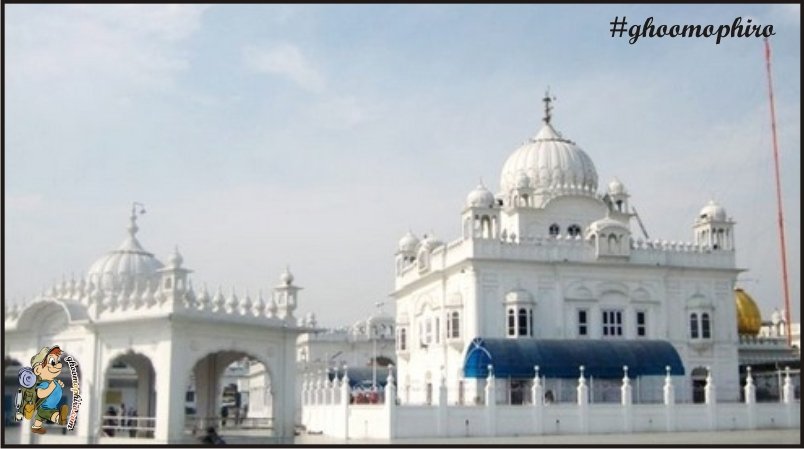
After knowing the history of the Gurus, we became curious about another place. Ropar which was Gurudwara Parivar Vichhora Sahib. Like the name says, this Gurudwara signifies a great separation. This was the place where Guru Gobind Sahib separated with his family and it was an emotional experience to be there. Though the Gurudwara itself was magnificent, it was the story that the place told that had me welled up.

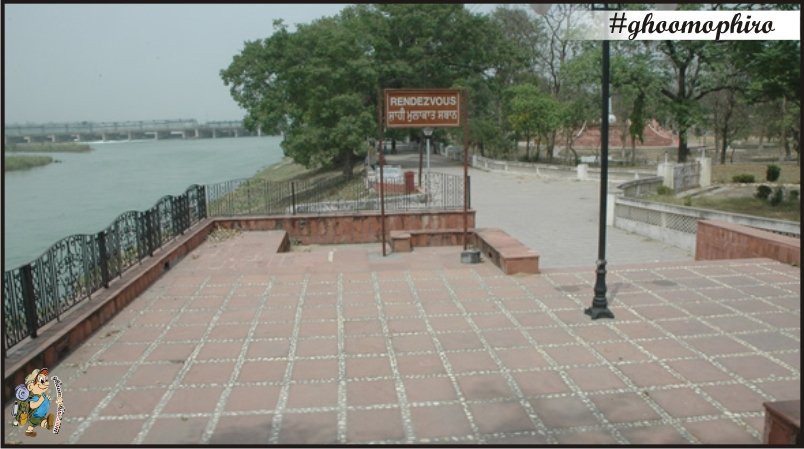
Then we visited the place of the treaty where Maharajah Ranjit Singh met British Viceroy to sign a treaty dividing the territories. The place is signified with a monument inside the park. The monument is fairly new and was probably not standing when the treaty was actually signed but it does mark an important chapter in the history of Punjab which makes it a place worthy of a visit. Moreover, the park is beautiful.

After we had had enough of historical visitations, we wandered on to the Sadabrat nature trail which is a wetland area and we found beautiful trees and bird there. We saw fruit bats hanging upside down from trees and there was such an abundance of these bats. There were also a few herbal trees around along with Datura tree.

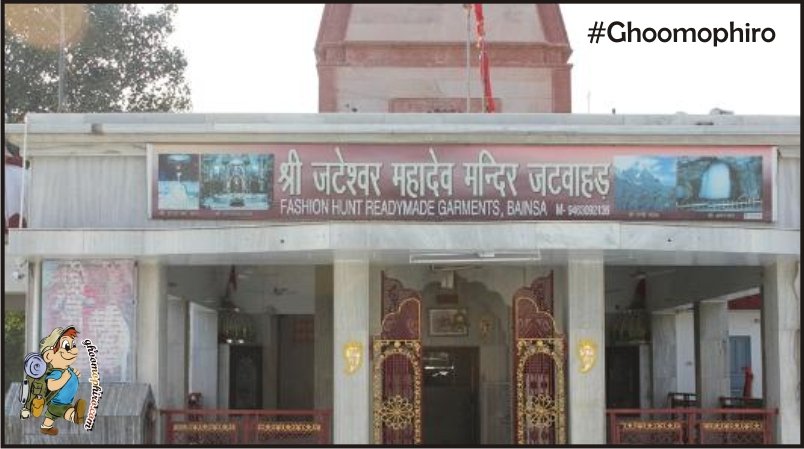
Some other places we saw were Jateshwar Mahadev temple and Gurudwara Bhatta Sahib. We were fairly impressed by what Ropar had to offer and how much it had developed. It is definitely one of the places to visit while in Punjab.

Categories
Culture North India Spiritual Hubs Travel Trends

Places for Ganga Aarti in India

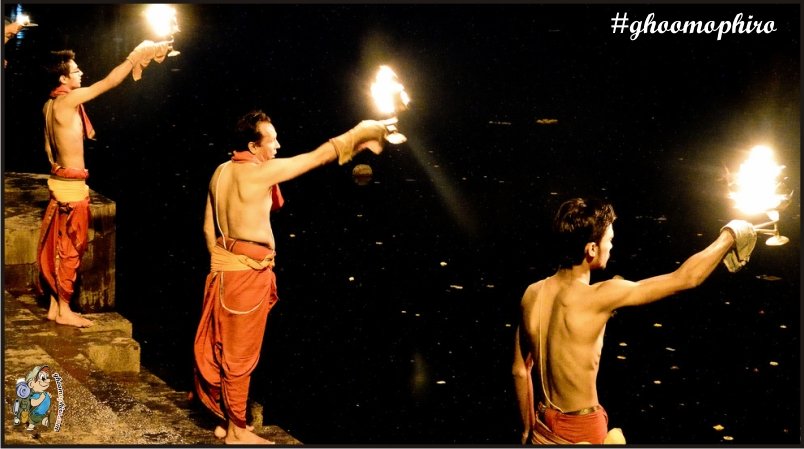
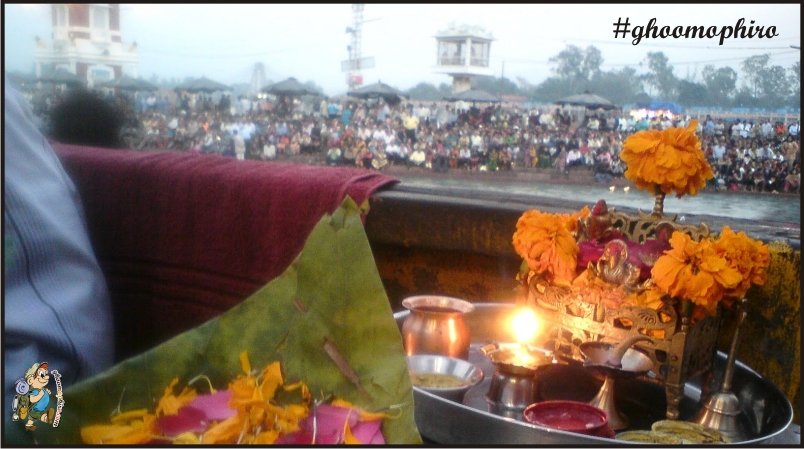
As the dusk descends upon the earth, a few holy cities in India get illuminated with the offerings made to the Holy River Ganges in form of a ritual known as Ganga Aarti. As pleasing as it to the senses, the ritual is highly spiritual and religiously significant to the Hindus. The fire is used as an offering to the Ganges and a small ‘diya’ gets floated in the river as the loud sound of traditional instruments makes the environment psychedelic. The timing for Ganga aartis varies upon the months. There are no fixed timings, but people usually start to gather at the spots as the sun goes down, so you better hurry before the sun goes down if you want to witness a great event.

Here are a few places where you must visit in order to experience the magnificence of the ritual.

Shri Ram Ghat, Ujjain, Madhya Pradesh- Located right at the bank of river Kshipra, Shri Ram Ghat happens to be one of the oldest bathing places for spiritual enlightenment in the state. People can be seen taking dips in the river in broad daylight, but once the sun starts going down on the horizon, the preparations for the aarti starts taking place. The priests in long robes and having bright lamps in their hands perform the exquisite Aarti as the time approaches.

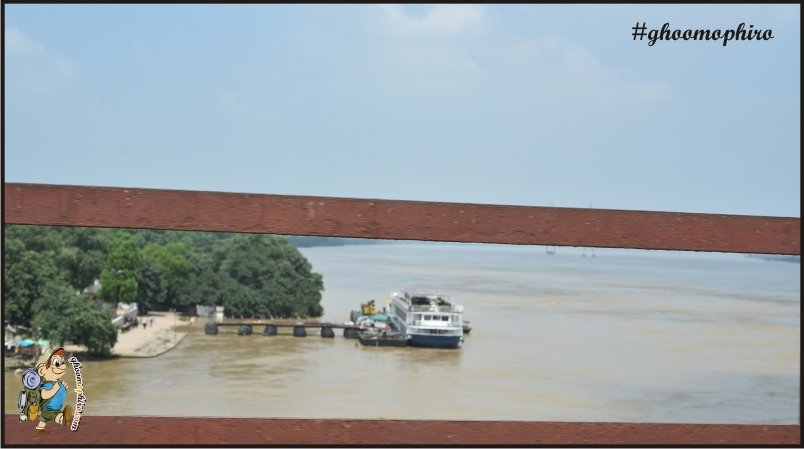
Gandhi Ghat, Patna, Bihar- The aarti here takes place mostly over the weekends. The place is known for its golden sunrise, but as the sun starts going down deep in the west, the ghat becomes brimmed with the priests in saffron robes preparing for aarti. BTSC boats are made available for the tourists as they give great view of the ritual. The climate gets filled with the sweet smell of the incense sticks as the aarti commences and everyone watches it with their breaths held in.

Hari ki Pauri, Haridwar- Haridwar happens to be the ultimate pilgrim site for the Hindus, and among other things, the Ganga aarti performed here is the most sought after and grandest thing about the place. The extravagant event involves a lot of priests, tourists, babas, idols of many different gods, incense sticks, loud speakers, and flowers. Some may complain about it being way too noisy, but that’s where the charm lies.
Parmarth Niketan Ashram, Rishikesh- The aarti that takes place here in Rishikesh is one of the calmest and relaxing Ganga aarti, devoid of all the extravagance. The more spiritual tourists prefer this one among the rest of the country and for all the right reasons whatsoever. The ceremony begins with bhajans, religious songs, and a hawan before the offering is made to the Holy River silently.

Dasaswamedh Ghat, Varanasi- Near the Kashi Vishwanath temple, every evening, once the sun descents on the horizon, a highly choreographed aarti takes place. However, people usually complain that the high magnificence and extravagance takes away most of the spiritual meaning of the event but still, it remains one of the most crowd pleasing aarti in the country. The aarti is performed by a group of young priests, all saffron clad, singing loud hymns and bhajans while making the offering to the Holy River.

Sangam Aarti, Allahabad – Hindu devotees visiting from far and wide take a dip in the Ganges from this ghat and then starts the highly enthralling evening Ganga Arti. One can witness sighting of priests wearing colorful robes burning incense sticks and lighting bright lamps to worship the Ganga Mata. Hymns sung in the background settings create the ideal ambiance to captivate thousands of pilgrims all over the world.

The Hindu worship ritual, Ganga aarti holds all the charm to captivate visitors and nowadays has found its way into the travel itineraries of many. A tryst with the evening Ganga Aarti at these destinations can be defined as spirituality is at its spectacular best.

Categories
Adventure Culture Inspiration

Signs that inspired us throught Leh Road trip

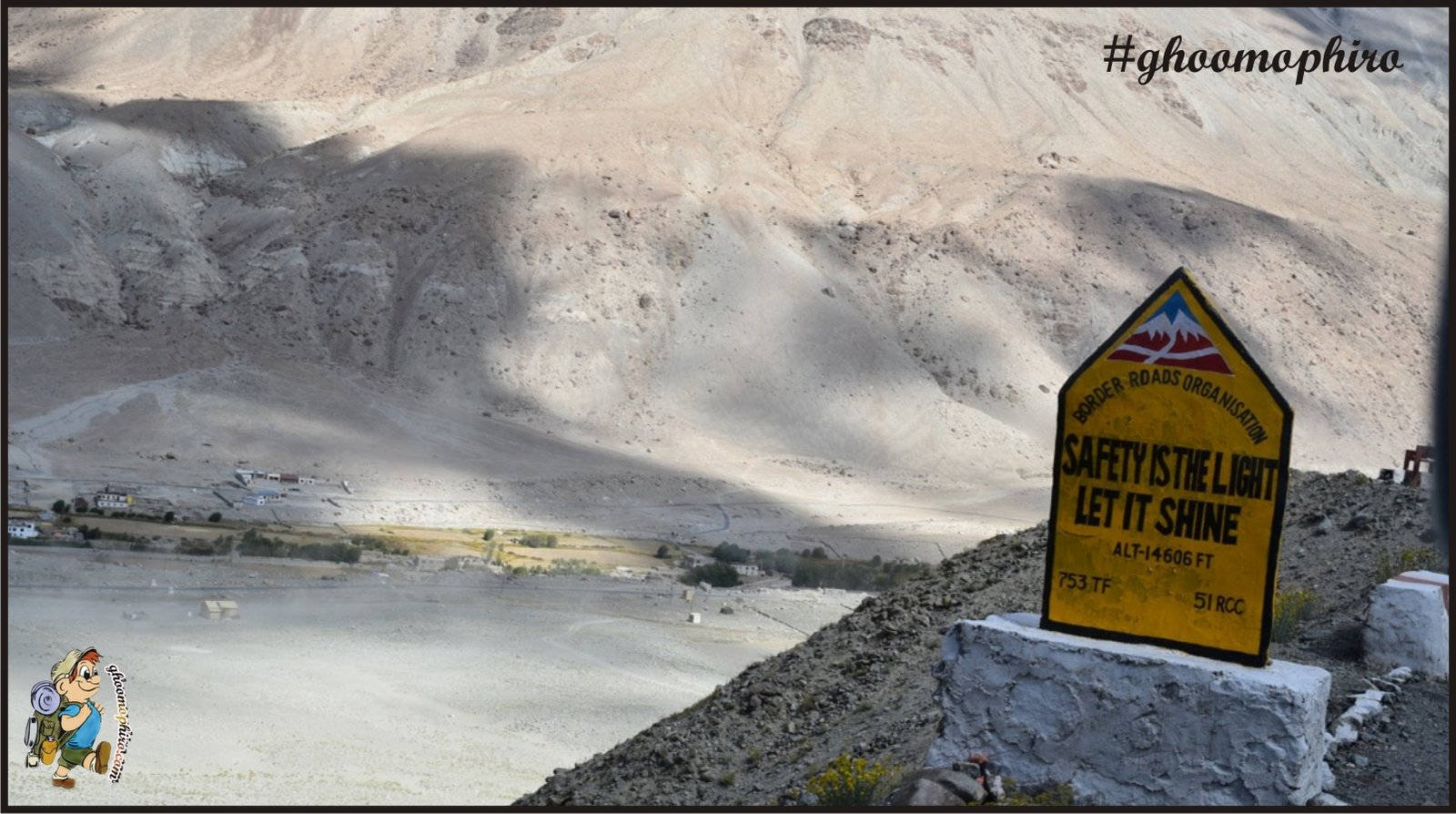
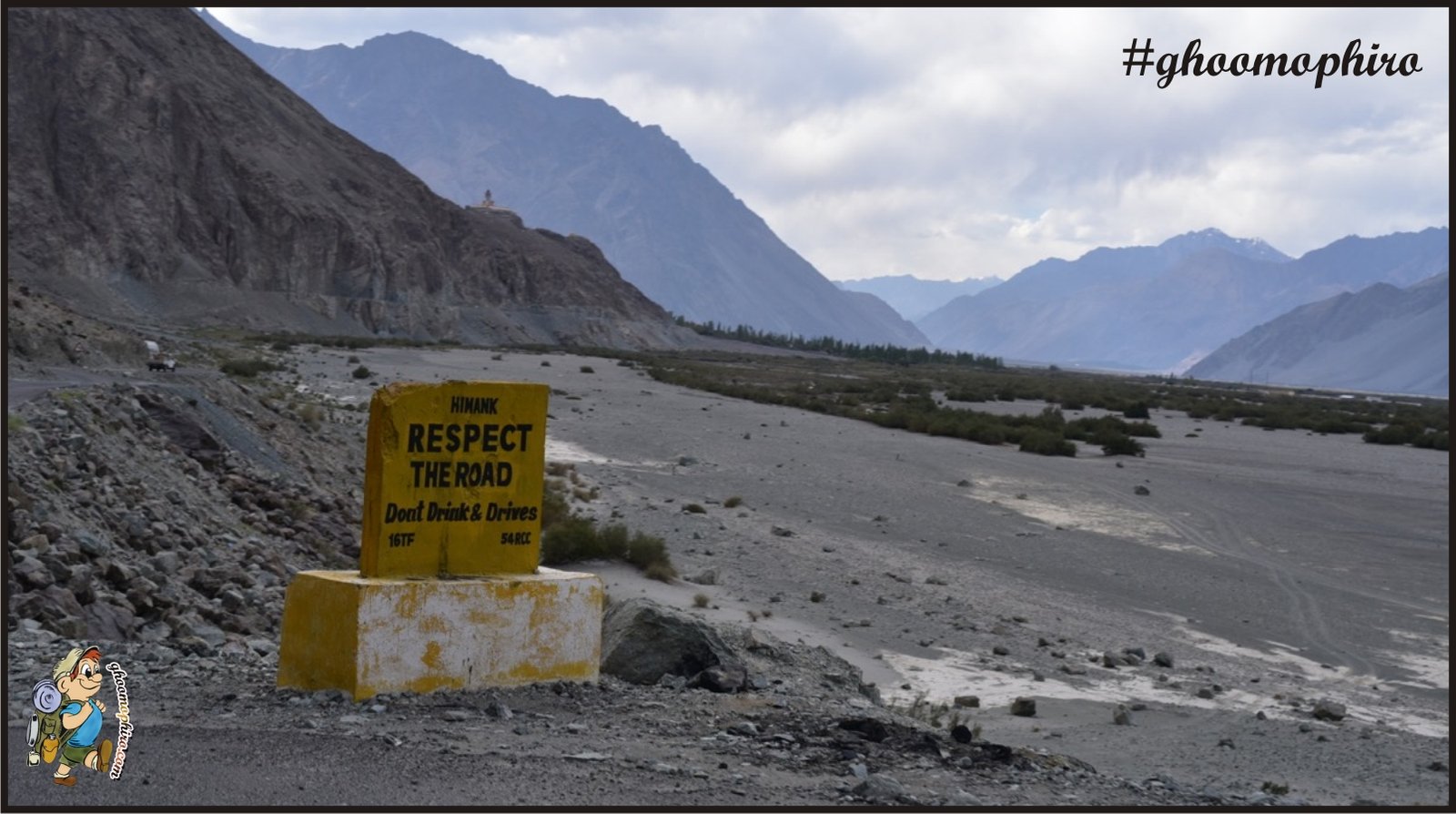
During our Leh Road Trip, what inspired us was some amazing road signs by Border Road Organization popularly known as BRO. These signs were witty, and carried a deep message within. Thought to share them with you. Never know, you get inspired too and may plan your magical trip to Leh.

Categories
Culture Festival North India

Holi in Barsana

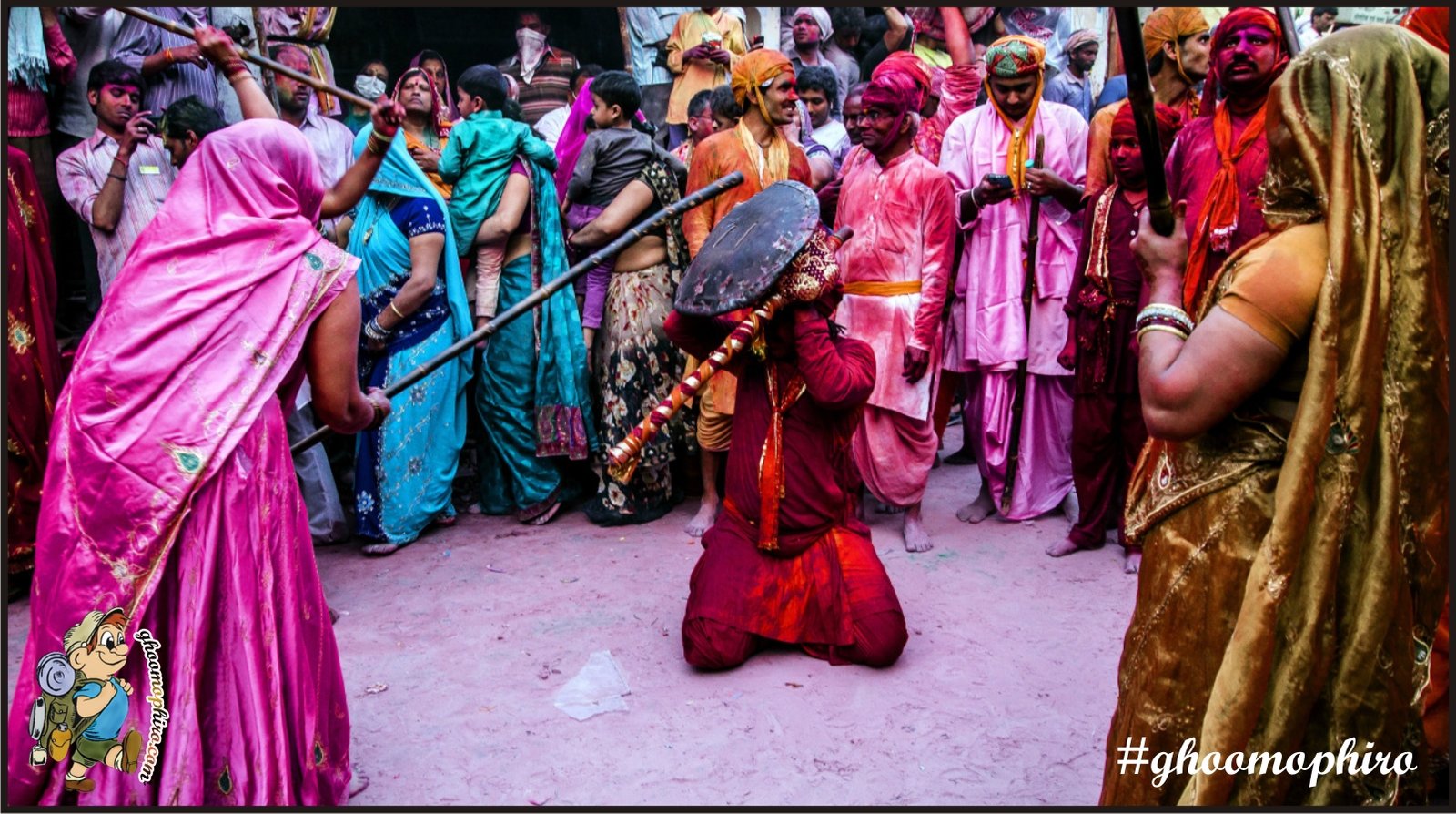
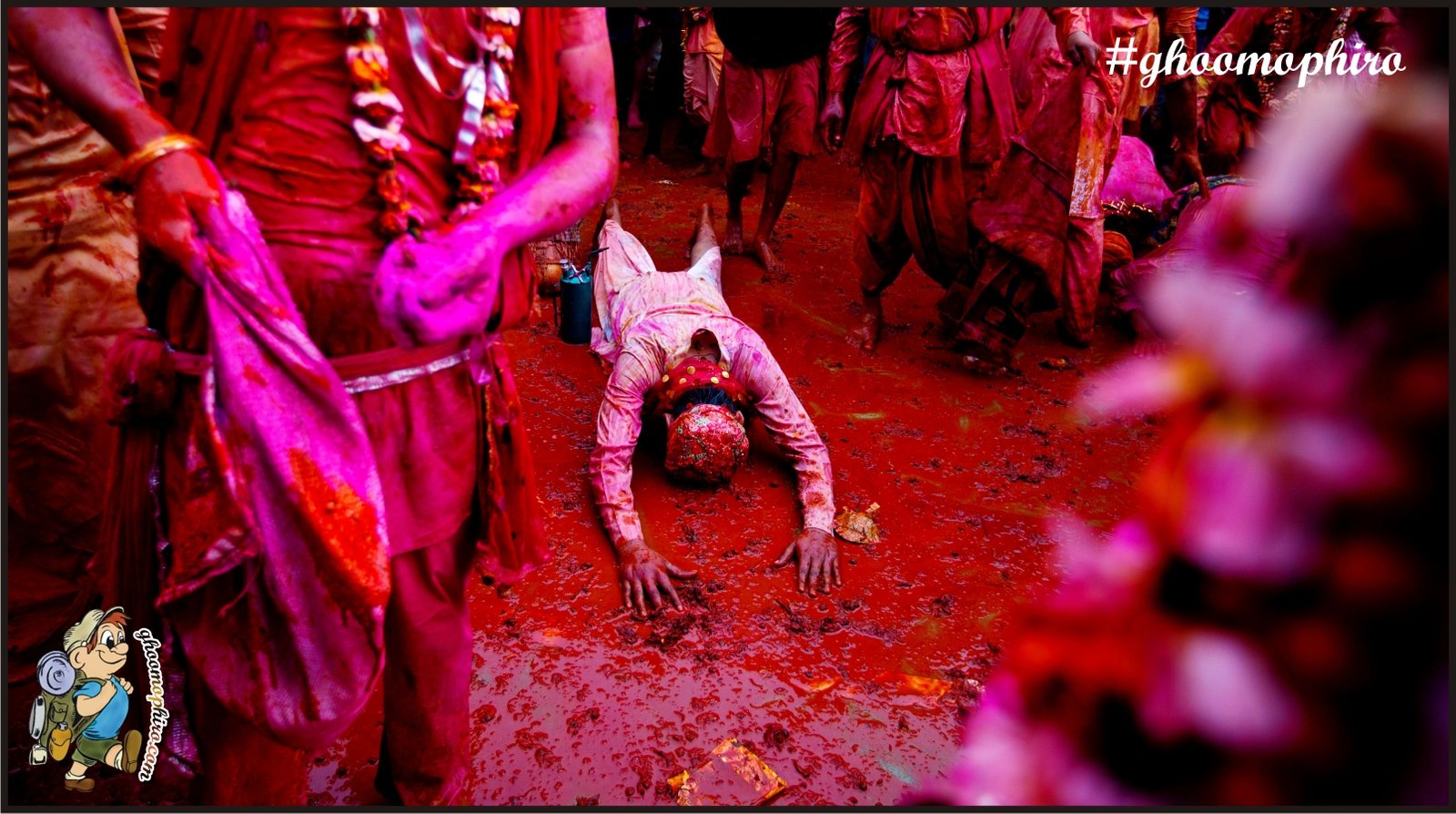
Holi is known as the festival of colors and all around fun, but here in Barsana, the birthplace of Radha, Holi is having a completely different facade. The enjoyment level is no less, though. The Barsana village happens to be about 42 kilometers away from Mathura, the birthplace of lord Krishna.

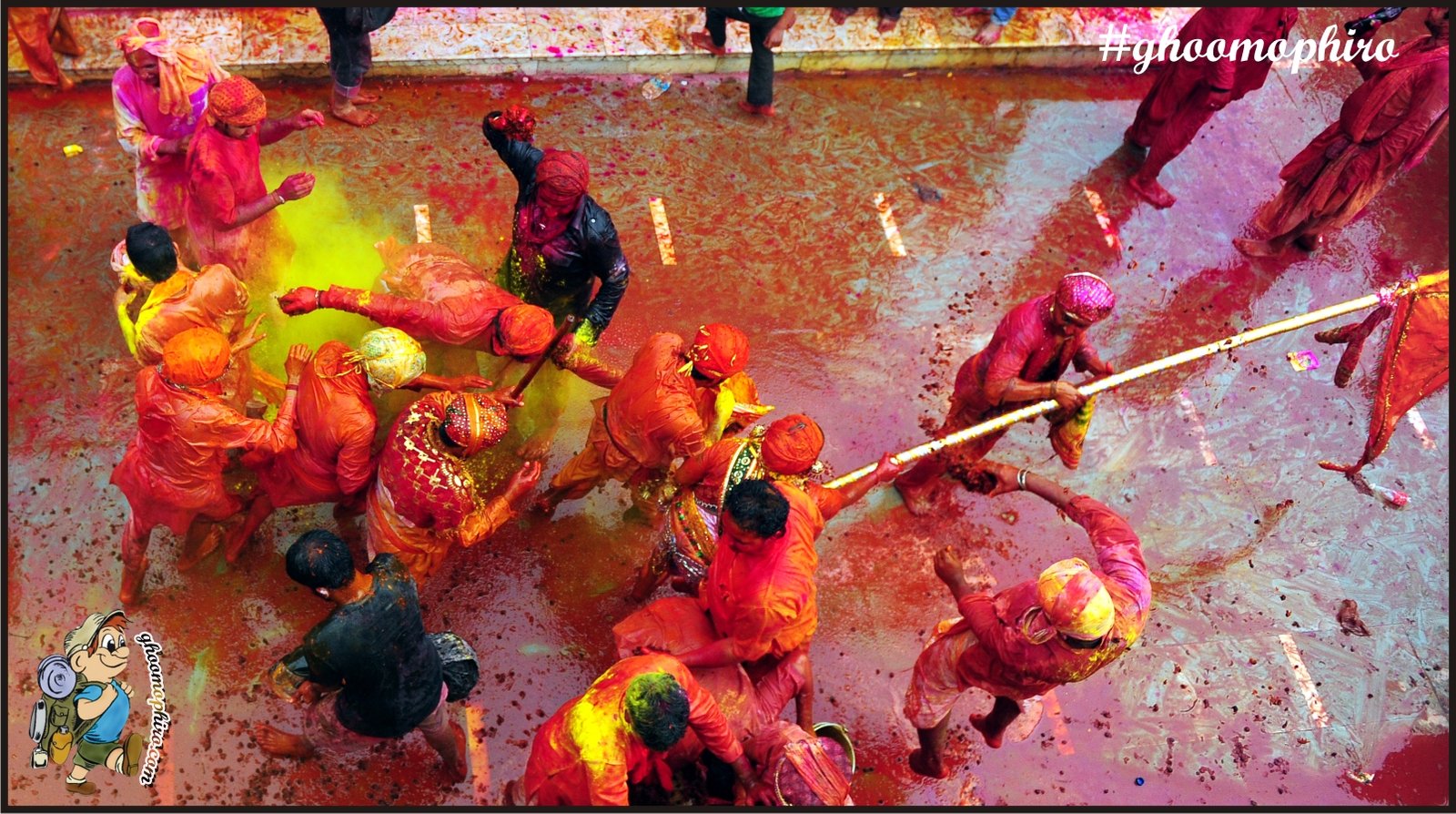
The men have carried on the routine that has been there for ages and they make their trip to Barsana, in order to play Holi with the local girls and women. They play with colors but that is not the case with the women, they are there all prepared to welcome them with sticks. Some men get in the race of hoisting a flag over Radhikaji’s temple but they too get beaten up quite bad instead.
This is all in fun and there are no hard feelings. After all, the festival is popular for the pure fun that it provides all over the country. But as you can guess, in Barsana, the picture is completely different. But then there is the catch that many places nearby, especially in Haryana, the festival gets celebrated with more or less the same brutality as the Holi in Barsana, which also happens to be known as Lathmaar Holi.

But the real fun starts when the men from Mathura plan in advance about how to save themselves from the brutal hits they are going to get. However, they keep in mind the very fact that they can just not retaliate, they can just find ways to avoid the brutal beatings. The spirit of Holi is felt at its very best when despite all the planning, some men get captured by the women of Barsana and receive a tough dose of unconventional love from the women and the girls. And when the time is tougher for them, they are forced to wear women attire and roam around the village. Sounds like quite a lot of fun, but not for men really. The spirit and the level of enthusiasm in people about the festival are magnetic and there is not an ounce of doubt about why a lot of people from different parts of the country come to witness and participate in the madness. 

Poets like Surdas have mentioned in detail how Krishna was also made to suffer these atrocities once. He was known to be quite a charmer and usually went to Barsana to play Holi with the women there, especially Radha. He once got captured and received the severed beating from the women and was made to don a saari and makeup.

Despite all the fun, there are some things that do harm the spirit of the festival. The government has done enough to keep that away. A huge open ground has been allotted to the festivities on the outskirts of the village, where the men and women play freely. The celebrations go on for about a week.

This enthusiastic display of colors and happiness is what makes the country colorful and magnetic. In the recent few years, a few foreigners are also seen dwelling themselves in the colors of Holi and enjoying themselves with an open heart. That is when they give their heart to this beautiful charmer of a country.

Exit mobile version